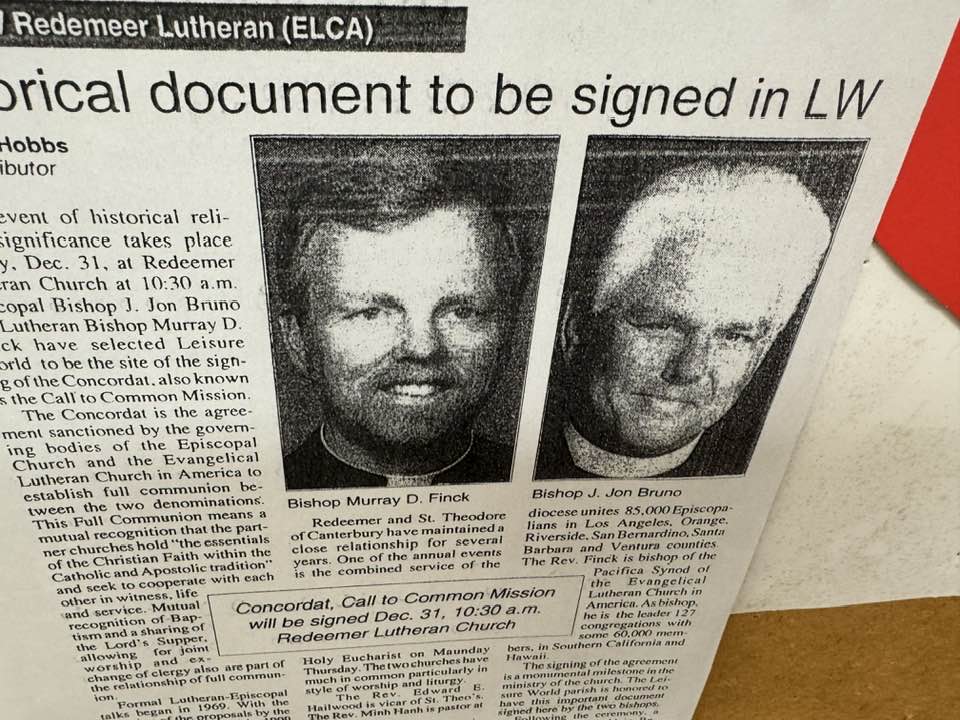
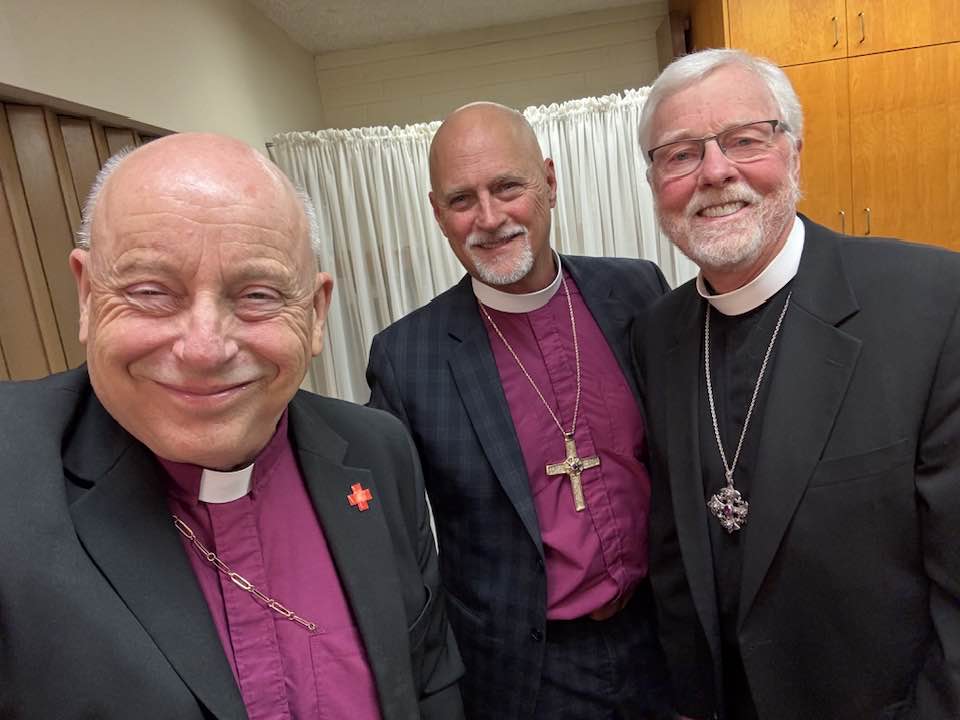
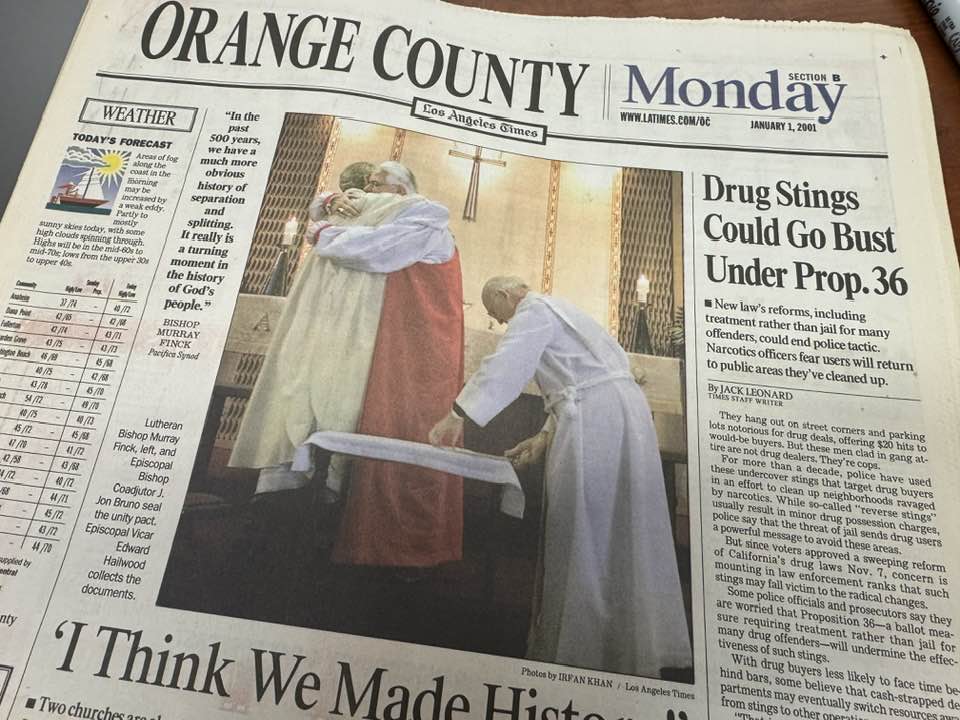
When we met before the service, Murray said the last bishops’ Seal Beach summit was on New Year’s Eve in 2000, when he and my predecessor, Jon Bruno, then bishop coadjutor, presided over a service to celebrate the historic concordat between The Episcopal Church and the Evangelical Lutheran Church in America. It took effect a week later, on Jan. 6, 2001.
Murray brought along newspaper clippings that made the concordat sound more like a merger. In retrospect, reporters and editors were overselling it. Perhaps we were, too. The agreement permitted bishops, deacons, pastors, and priests to share sacraments, altars, and parochial leadership. Many “Lutherpalian” congregations took form, including in our own diocese, working with the Pacifica Synod as well as Bishop Brenda Bos and the Southwest California Synod. We hope for more such collaborations, as we will once a similar call to common mission is consummated as expected in 2027 between the Episcopal and United Methodist churches. Our own Bishop Franklin Brookhart been a leader in this movement.
People’s liturgical preferences and loyalty to denominational roots have to wane some more before full unity is possible. Perhaps more than Christians elsewhere, Americans like to have it our way. But Easter sure did its thing this week. Seal Beach’s unfolding ecumenical experiment shows that welcome and the nurturing of relationships over time, not to mention the wisdom of age, are what enable true unity in Christ to thrive.
St. Theodore of Canterbury Episcopal and Redeemer Lutheran churches, both part of the Leisure World community, each had about 150 members in the sixties. Long before the concordat, they shared office space in a converted apartment near Redeemer. The Episcopalians, who met in one of the clubhouses, lost our lease in 2018. Redeemer warmly welcomed its Episco-pals.
That’s when pilgrims really began to walk together. Like most congregations, both are smaller than in postwar potluck salad days. Nowadays Episcopalians make up perhaps 15% of the total. The Redeemer church council, which has Episcopal members, is the principal leadership body. On the St. Paul’s Commons, Echo Park staff, Canon Clare Zabala-Bangao has faithfully kept in touch with the TEC remnant.
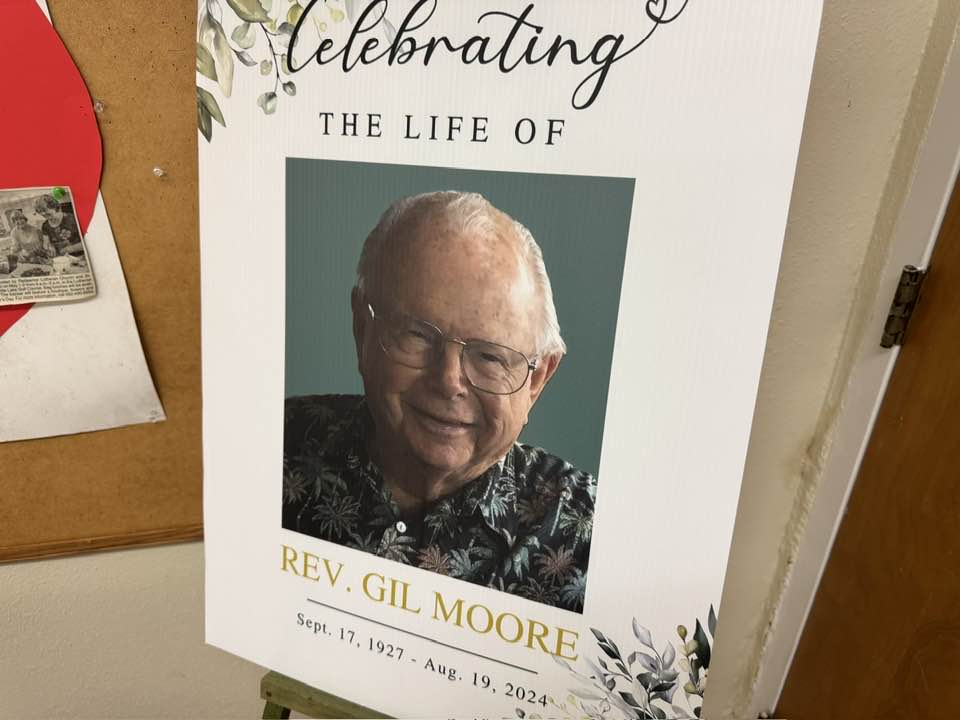
A purportedly retired Lutheran pastor, the late Gil Moore, a Leisure World resident, shepherded the congregation for 17 years all together. Then our own the Rev. Lisa Rotchford stepped in. Bishop Finck took over three and a half years ago. Having served three consecutive six-year terms as Pacifica Synod bishop, plus time as an interim bishop, he is also prone to flunking retirement.
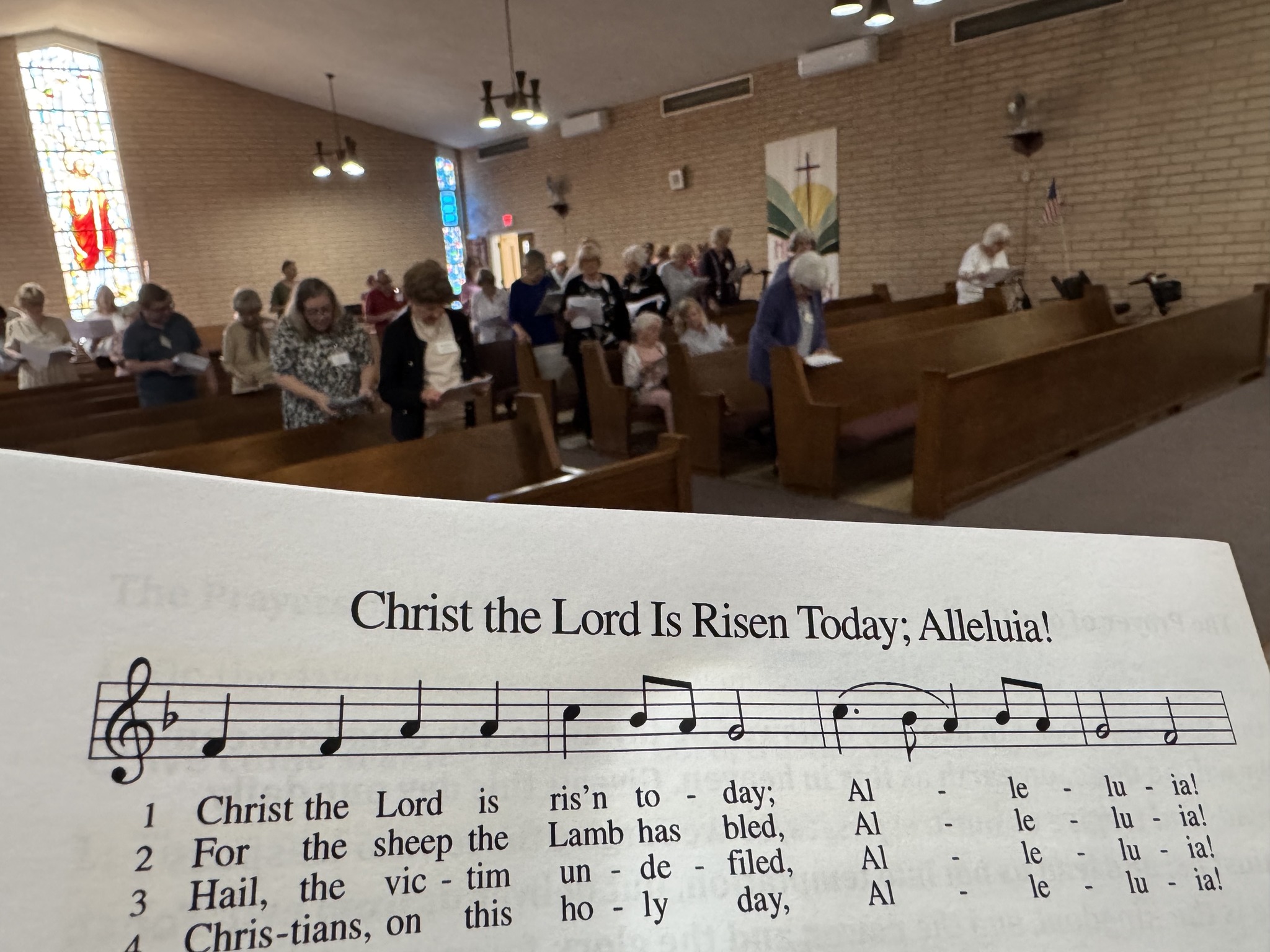
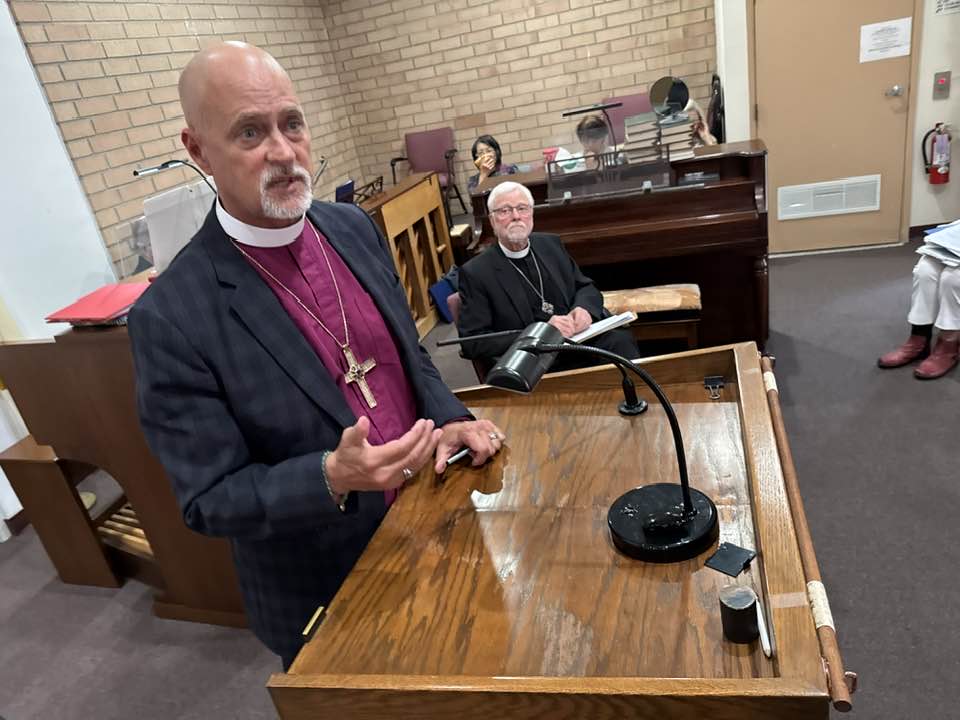
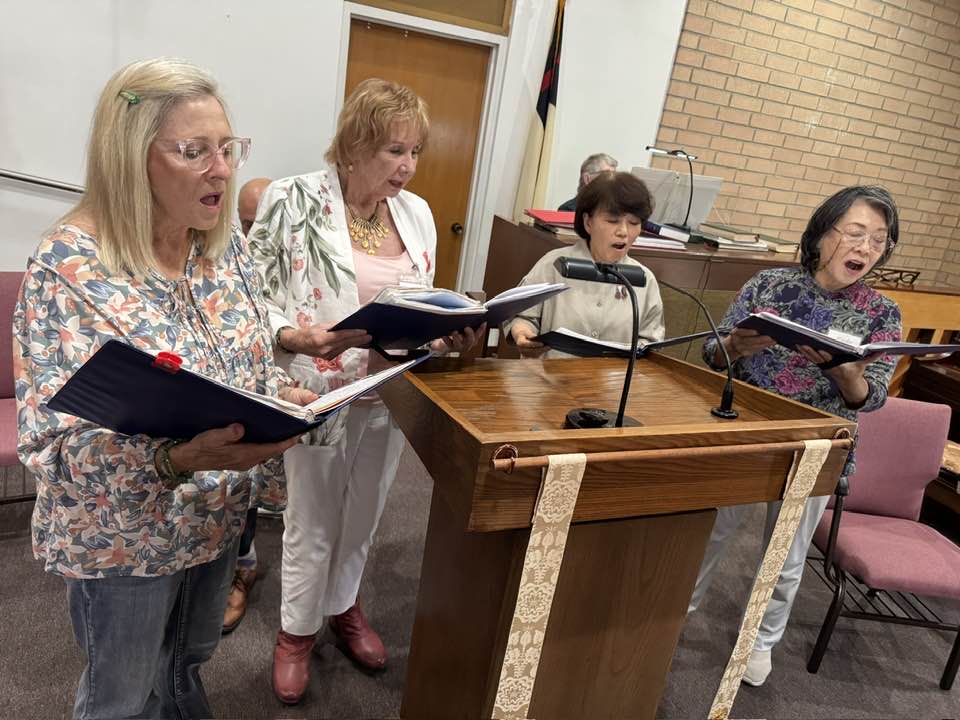
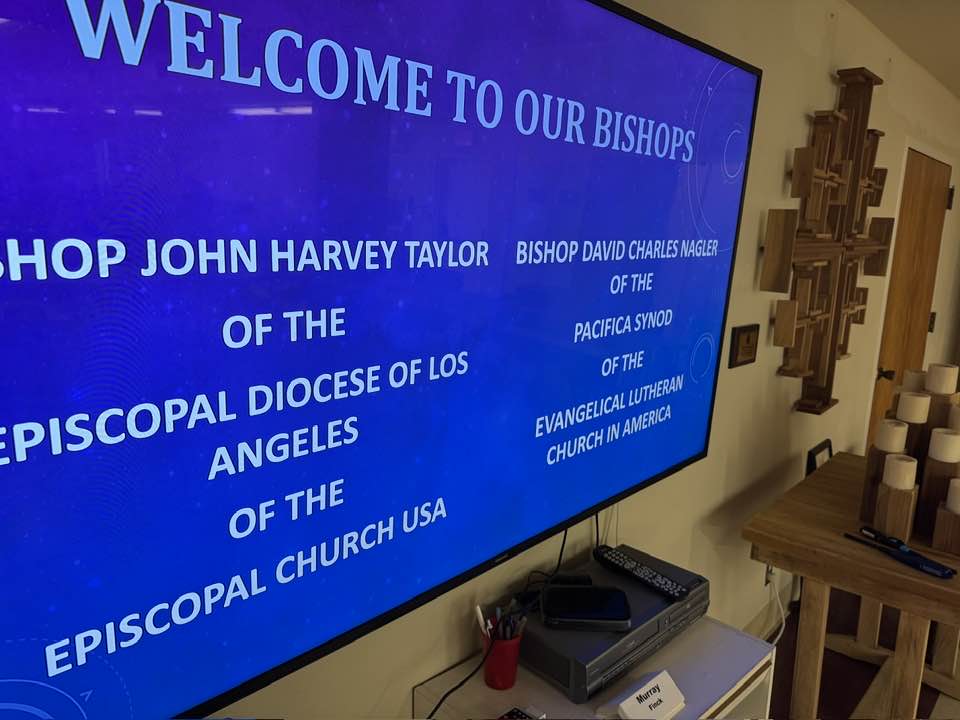
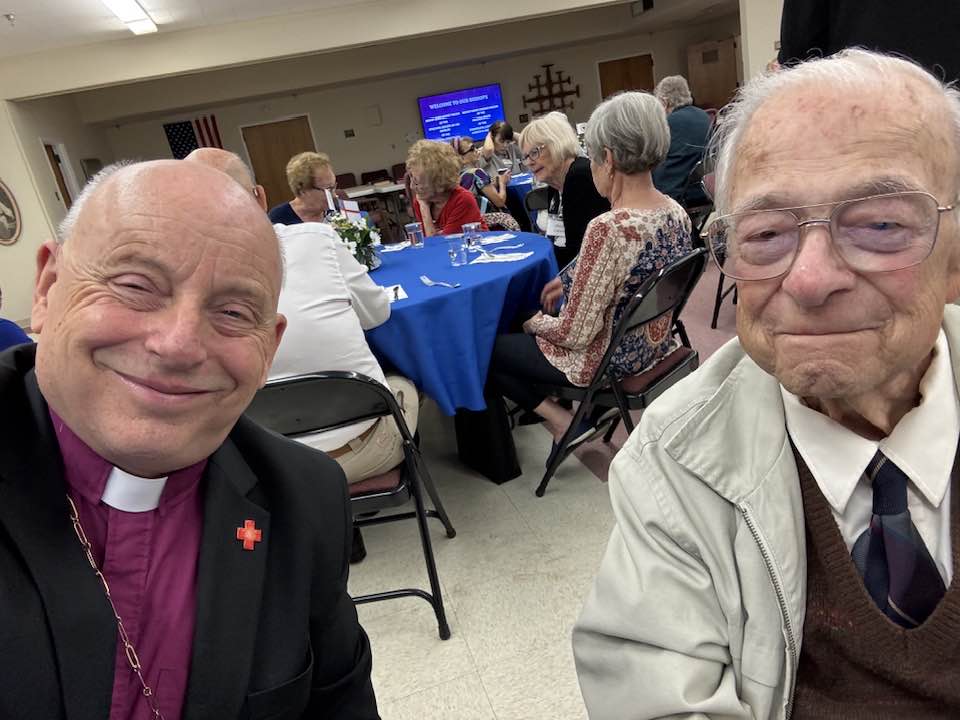
He beautifully organized our time together on Wednesday, beginning by presiding over a three-bishop liturgy. Bishop Nagler and I preached and then took questions from the congregation. Several expressed concern about the future of the church and worried because their children and grandchildren were less involved. They wondered if they should be doing more. David was especially eloquent when relieving parents and grandparents of personal responsibility, assuring them that God was fully in charge of the church and that all things would be well.
I offered statistics from the Rev. Canon Stephanie Spellers’ new book, “Church Tomorrow?” to try to assure everyone that the U.S. population’s decline in church participation is not twinned with declines in faith or spiritual curiosity and hunger. We resolved that we evangelize best by modeling Christ’s love and care for others.
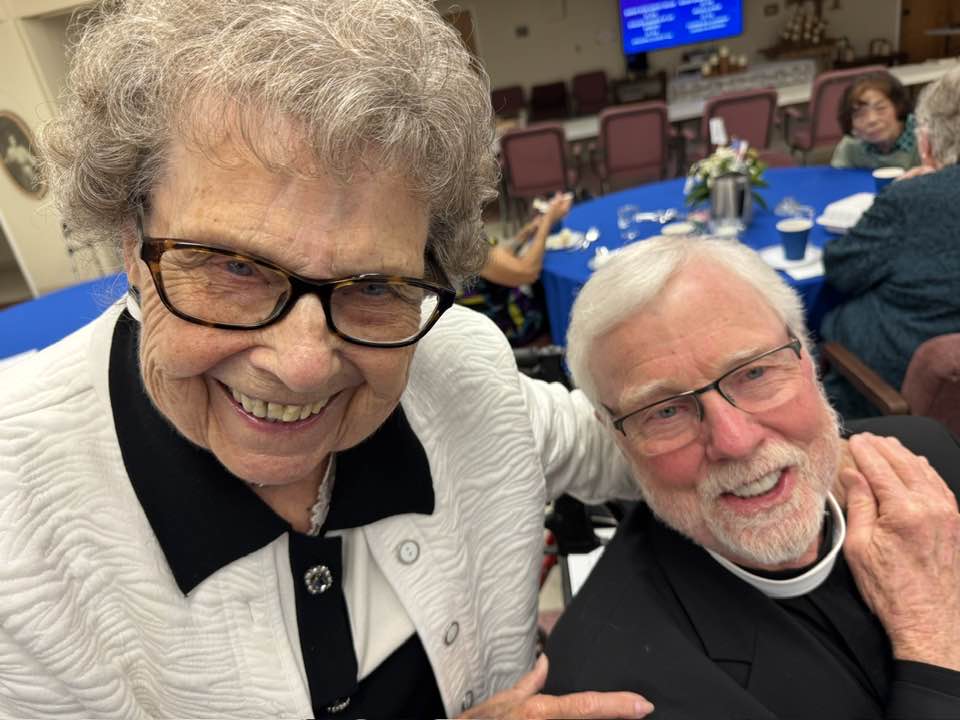
At a delicious dinner following the service, I heard as many stories as I could. I chatted with a retired history professor from Long Beach State. A retired insurance agent said his parents and aunt had been at Pearl Harbor during the 1941 attack. He was born a year later, after his parents were transferred stateside.
Sharon, Redeemer’s devoted organist, who drives weekly from Whittier, offered me the blessing of praying for her daughter, Kathy, who died suddenly of natural causes two weeks ago. One member grew up a few blocks from me in Detroit. Bishop Finck told me about leaving the Missouri Synod Lutherans following a set-to in his seminary in the sixties, when professors and seminarians walked out over the administration’s decision to stop teaching modern biblical scholarship. Episcopalians have similar stories to tell.
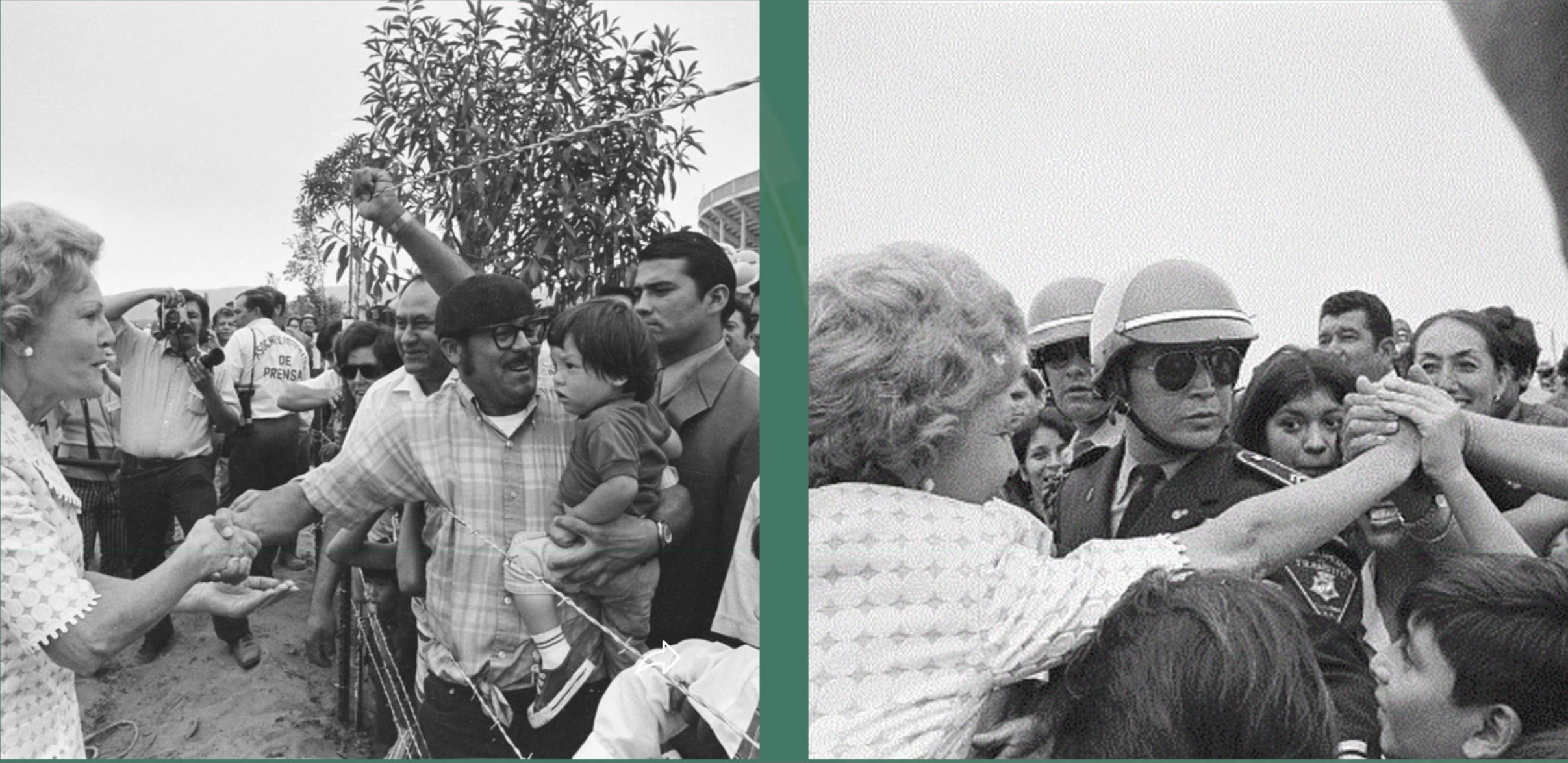
Bishop Nagler said how much he enjoyed his border ministry collaborations with Bishop Susan Brown Snook of The Episcopal Diocese of San Diego, soon to be my bishop. We also exchanged stories about First Lady Pat Nixon. When she dedicated Friendship Park in August 1971, she told the Secret Service to take down the barbed wire fence so that she could visit Mexico and Mexican participants in the ceremony could come stand with her in the United States. She said she hoped that one day, there would be no fence at all.
Instead, the tree Mrs. Nixon planted that day has been buried under tons of border wall concrete on the U.S. side. The bishop told me about a weekly service where folks on both sides meet at the wall for worship and conversation, should ICE permit on a given day. Joining in with these Lutheran worshipers one day is now an item on my retirement checklist.
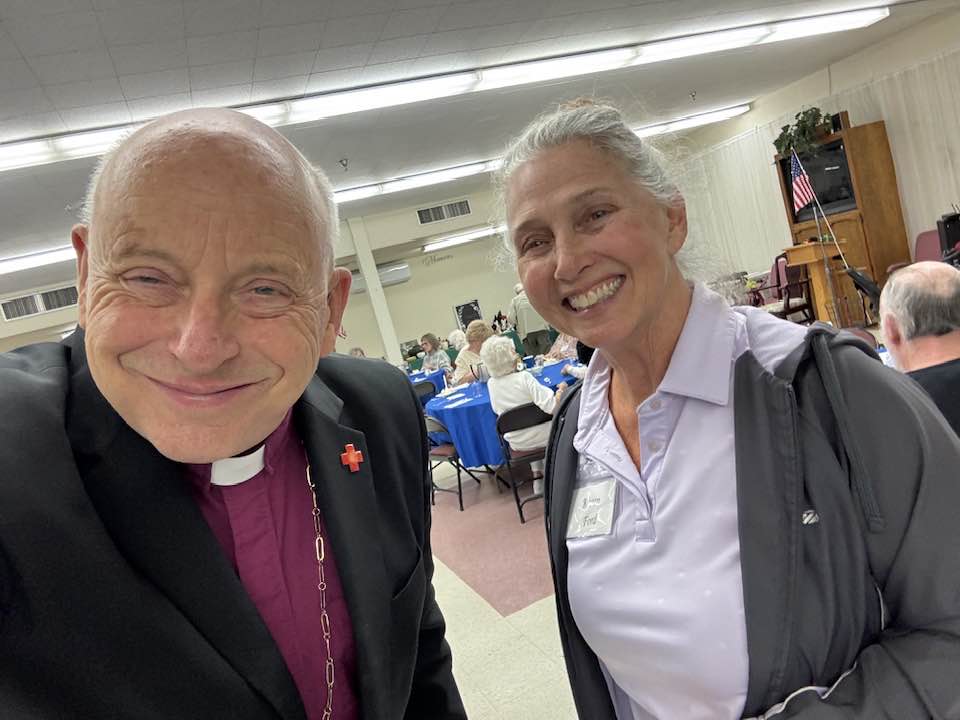
It was that way all afternoon in Seal Beach. Some of the Episcopalians and former Episcopalians let me know who they were. But it feels like one congregation now. Before too long, we were only talking about the things we had in common. One faith, one Christ, one baptism. Denominational leadership will always yearn for unity and do their part. It also takes pilgrims on the ground, walking the Emmaus road and living into the eucharist of curiosity, narrative, and shared experience that is always trying to burst forth when two or more of God’s children are gathered.