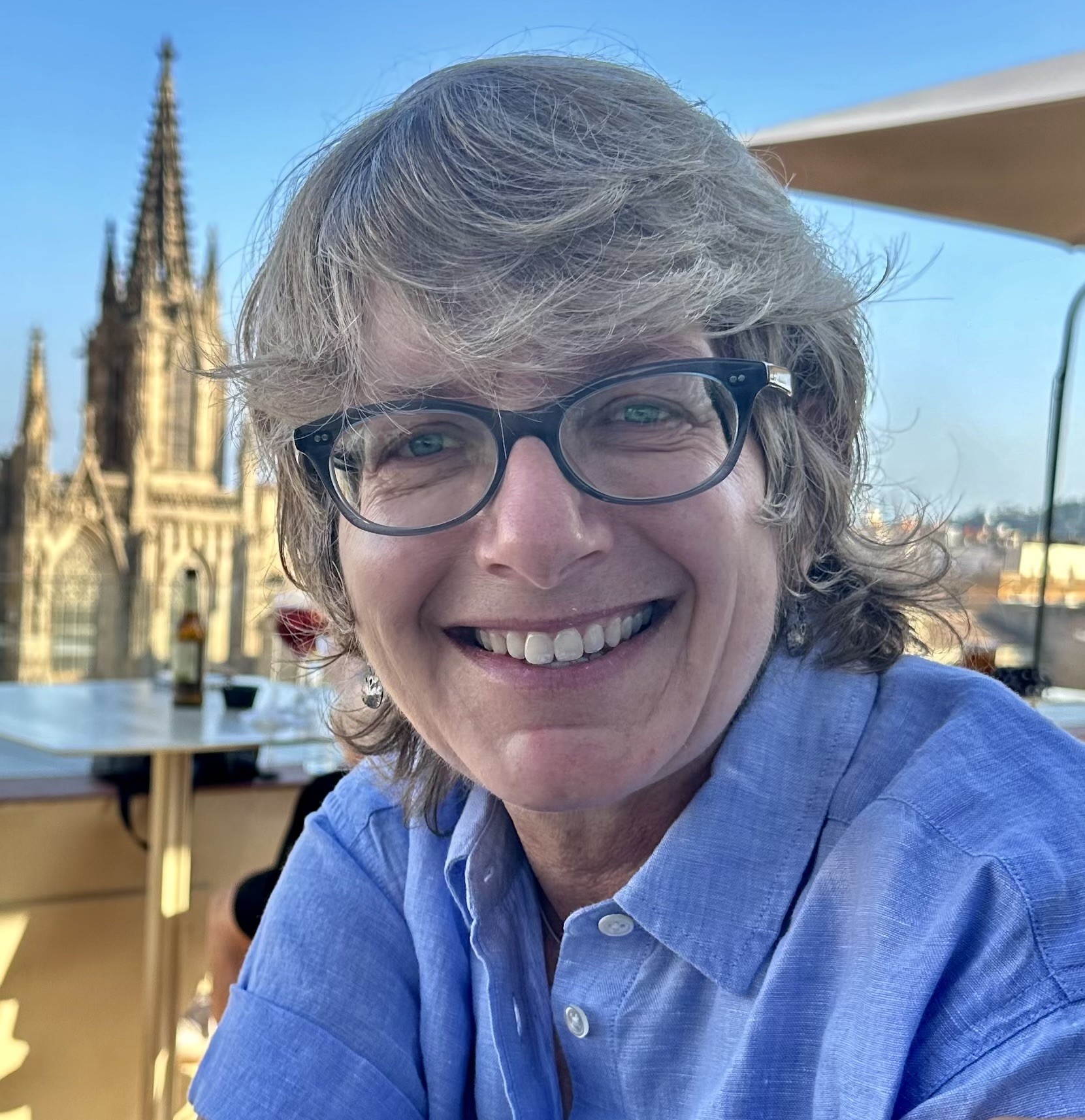
 A long-time facilitator of conflict resolution around the Diocese of Los Angeles, Wendy Lords has been selected to serve on a new alternative dispute resolution team as part of a denomination-wide Episcopal Church initiative.
The program, which is still in its early stages, is designed to serve as a supervised setting for disputes to be resolved mutually between parties with a focus on continuing relationships into the future. In some cases, this could mean as to the Title IV process set forth canonically within The Episcopal Church, but the team will also handle non-Title IV conflicts.
Bishops or Title IV staff may recommend certain cases for alternative dispute resolution, and if both parties agree, they will begin to engage with a facilitator in days-long process focusing on mutual understanding, Christ as the center of the mediation process, and steps to create a lasting future relationship.
“We can all bring our skills as the mediators and facilitators of reconciliation, but it’s Christ who provides that grace and that real guidance in the center of the whole thing,” Lords said. “We look to our own toolboxes that we bring, but we also look to God as casting grace upon this whole endeavor. It’s really an amazing process.”
The churchwide program uses a framework developed by Christ Supporting Ministries, and trained the eight initial facilitators, including Lords. While many of the trainees were veteran conflict resolvers, Lords said that the training made sure that everyone was on the same page. Often, conflicts will be mediated by a pair of facilitators working together, Lords said.
Lords began this work in the Diocese of Los Angeles in 2002, when she first did a training to be part of the diocesan reconciliation process, as part of the Hands in Healing initiative under then-Bishop Jon Bruno. She has continued under the umbrella of the One in the Spirit ministry, and stepped in to help mediate conflict resolution in the diocese as requested.
Her interest in conflict resolution work began much earlier, she said. Lords said that years ago as an exchange student in Finland, she stumbled upon an anti-American protest with her host-sister, in the wake of the Iranian hostage crisis. Lords said that being face to face with people yelling things against her country was a powerful experience, and made her want to support people in finding peace with one another.
Lords said that one hope of the program is that those who go through the process will take the skills they learn into their lives and the world. “We hope to provide people with tools that can serve them ongoingly, with each other, and out there in the world,” she said. “I mean, these tools, especially right now in our country and world, they’re valuable.”
Because both parties will have agreed to resolve their conflict in this way, Lords said that there is an assumption of good faith, and a desire for reconciliation from both sides. Of course, “People are always going to be people,” Lords said. “They might or might not realize the energy that they bring that goes against healing. Sometimes people will come in and they have feelings about things that they haven’t really acknowledged, so have a little bit more work to do to get to that middle ground than they thought.”
The process itself begins with prayer and music, and an introduction to the framework of resolution, centering Christian forgiveness and the desire to go forward from conflict into a continued and lasting relationship. Parties will share their stories, and get to know wone another, as well as speaking separately with facilitators, to talk about their grievances and what steps they see for remediation, deciding what to share with the other party. Finally, the parties come together, to work towards a solution focusing on healing.
“We’re seeking grace,” Lords said. “We’re seeking to see the face of God in each other to learn how it is that God works through all of us. There’s just this little, you know, mustard seed on either side, of faith, that we’re trying to germinate.” Anger is a natural response in many conflicts, Lords said, and the program works with that feeling, “hoping to find that we can draw upon people’s common experiences of their life and faith to find their way to each other. This is the ministry that Christ gave us. Christ was there to reconcile us to God and commissions us to become instruments of reconciliation for each other.”
Lords said that once the program becomes more solidified and more widely known, she anticipates high demand, and adapting and expanding the program as needs arise. “There’s just, I think, no end. It’s not always a pleasant thing to think about ‘Oh, there’s no end to conflict.’ But the plus side of it is that there is no end to opportunities for healing.”
The program is currently a resource for bishops and conflict resolution officers, but Lords said to keep an eye out for further information about the program in coming months.