But on Easter Day, the stars are Mary of Magdala and Peter, pivotal not because of what they wrote, but because they were there.
Mary left us no documents, nor probably did Peter. Most scholars believe 1st and 2nd Peter were written long after Peter’s death, late in the first century, by someone using his name to confer apostolic legitimacy on their good orthodox teachings.
Because of what they saw and did in the fullness of their belief, Mary and Peter made sure that, all the way from Los Angeles in 2026, we would see the light from the empty tomb. Even as democracy gives way to authoritarianism, and the dignity of every human being is up for grabs, judged an unprofitable concept in our dog-eat-dog culture – still and yet, from our homes and hearts, because of Mary and Peter, we can glimpse God’s eternal soul of love, justice, and peace.
In Matthew’s account, Mary comes to the tomb with a companion, probably to anoint Jesus’s body, and finds it missing. The Pharisees and chief priests had predicted someone would try to steal the body and claim Jesus had been raised. They got Pilate to send guards to keep watch. As the women arrived, the angel in white came and rolled away the stone. Pilate’s guards were paralyzed by fear. The angel, and then Jesus himself, tell the women to go get the other disciples and meet him in Galilee, where they had all been together for three years.
We’ve already talked about our personal Galilees in the children’s sermon this morning. We’ve visited the hippos in their hollow of glorious mud. We understand the power in our lives of the places where we have been safe, welcomed, and loved. The communities in which we have found meaning and purpose. The coworkers or fellow justice seekers with whom we have made common cause.
All the places where things were going so well that we maybe didn’t understand that we were drenched in grace, that Resurrection power was breaking out all around, and we didn’t even notice. Because when things are going well, we sometimes forget to look for God. God is used to hearing our voices coming out of darkness — beseeching, pleading, needing – but all too often failing to give thanks.
It’s unfashionable in some circles to proclaim the bodily Resurrection. Mary’s testimony is affirmed by all four gospels because everyone had heard the story, knew that she was there, and knew what she said. For good reason, we say, “Believe the women.” Mary’s word was enough to transform the universe. It’s good enough for me.
If the male compilers of the Bible could’ve written Mary out of the story, they would have. But she was the undisputed author of the greatest story ever told. That God so loved the world that he raised his stricken son so that people might learn that the purpose of their lives was to care for other people, as Jesus had done. And that they could afford to take risks doing it — because, as it turned out, the universe is bathed in love, drenched in chocolate sauce and butterscotch with whipped cream on top, and God had a plan to bring us all home.
We can compare and contrast the gospel accounts of how Mary was received at first when she goes and tells the menfolk. In Mark’s account, they say Mary’s just that woman who was cured of seven demons. It may be that Mary was neurodivergent. For whatever reason, they don’t believe her. In Luke, we read the women’s claim was dismissed as an idle tale.
In Luke, we read that just one of the men gave enough credit to Mary’s account to go see for himself, and he, of course, was Peter. He had denied Jesus three times, as any of us might have done thinking our lives were at risk. Becoming an eloquent prophet of Resurrection, he demonstrated the power available to all of us, notwithstanding our own fears, to speak up for love and justice.
Peter’s testimony, as conveyed by the book of Acts, comes to us as the first draft of the gospel, bracing sermons about the risen Christ, such as the one we heard today from chapter 10, identifying belief as the source of forgiveness, and Jesus’s gospel of love and justice as a mandate for the nations – not just you and me, but for the nations. Peter doesn’t say that Jesus is the leader of a movement or a founder of a religion. He says Jesus is the Lord of all. Again, I believe it, because Peter did. Lord of you and me. Lord of Trump and Putin. Lord of our four brave astronauts, with the moon growing large in the window of Artemis II.
Lord of a realm with just one law on the books and one article in the constitution.
We read it in Matthew chapter 7, verse 12: “In everything do to others as you would have them do to you; for this is the law and the prophets.”
Twenty-one words. Shortest sermon ever. Jesus, who was a brilliant Bible scholar, who answered the tempter in the wilderness not with his own wisdom, but with the words of Torah. Jesus saying that every dit and twiddle of the Hebrew Bible he knew – every name and narrative, every bloodcurdling slaughter and hard-to-believe miracle – it all added up to the same thing.
If you want to be treated kindly, be kind. If you want to receive love, give love. If you want to be safe, make others feel safe. If you don’t want to be alone, then find someone else and lay waste to their loneliness.
This is Jesus articulating the universal law of love. Many of us grew up with the same chart on the wall of our classrooms or Sunday schools. The golden rule is shared by every major faith and philosophy, including Confucianism, from half a millennium before Jesus.
If as Jeremiah prophesied, God wrote the law on our hearts at the beginning of all things, this is surely the law Jeremiah meant. When God pleaded in vain with Cain to do the right thing, surely he was appealing to Cain’s instinctual understanding of the golden rule.
When the Word was with God at the creation, when the Word was God’s daily delight, surely the Word was busy writing the golden rule into the DNA of all creation – holding everything in balance, so that engineers sitting in front of their MacBooks know and trust that Artemis will slow down and come back to earth like a yo-yo because it is cradled in the arms of the moon’s gravity, cradled, we may believe, in the arms of God.
These are the practical, political applications of the golden rule. Kindness for kindness’s sake. Love for love’s sake. Never, never, never committing cruelty or violence for their own sake or to score a debating point or obtain political advantage. Jesus embodies these things.
In the end, they’re the only things that work. We couldn’t have gotten here on the freeway this morning without the golden rule. We can’t keep a happy home for two weeks without the golden rule.
And yet we’ve not yet found a vocabulary for insisting that those who wield the power of life and death over millions should obey what we take to be the law of nature itself.
This has nothing to do with the separation of church and state. The establishment clause of the First Amendment was designed to protect people from the imposition of a state religion, namely Anglicanism. It does not protect an indecent government from being judged in the light of decent values God holds dear.
Jesus didn’t come to assert political power or tear down the Roman empire. He didn’t want Caesar’s palace. He wanted Caesar’s soul. Jesus came to manifest a way of being in the world that challenges all our power. Jesus wanted to tear all of our empires down. Our empires of ego. Our ministries of me, myself, and I. Our little temples of prerogative and privilege. Even the empires of shame some of us hide deep within, which impede our God-given right to feel God’s love, processing every slight and unkindness as a mortal challenge.
You and I believe the golden rule and do our best to live by it. It’s long past time to hold power accountable when it violates the golden rule. It’s time to say no in the name of God to empires of cruelty for cruelty’s sake and violence for violence’s sake.
We can secure our borders without cruelty to immigrant workers, protect our nation without war for war’s sake, learn more about our trans and non-binary siblings without dehumanizing them and exposing them to danger and death because of sadistic words and policies.
About 160 million people in our country believe in some expression of faith that has the golden rule shining in its heart like the last and most precious Easter egg in the hunt. Working across ecumenical and interfaith lines, followers of God must at last organize ourselves in such a way as to punish golden rule offenders ruthlessly at the polls and send them home to learn some manners.
I believe Mary, who saw our risen Lord. I believe Peter, who said Jesus was Lord of all. And I believe in you. It’s time for The Episcopal Church – you and I and all of us –to take our place in the forefront of the mighty work of taking our country back for the glory of God and the sake of God’s people.
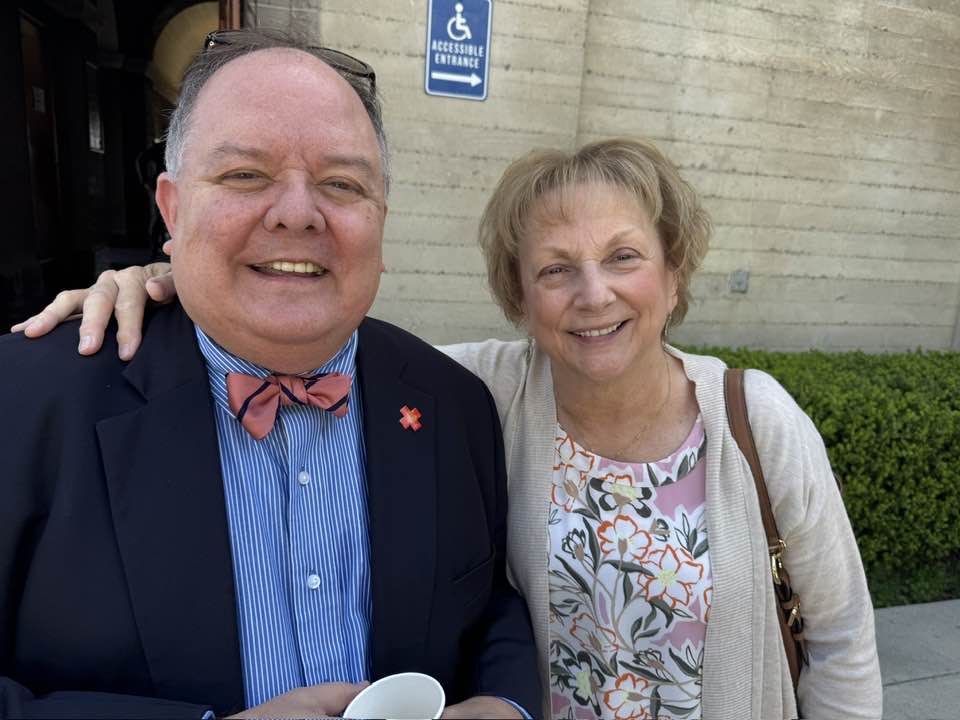
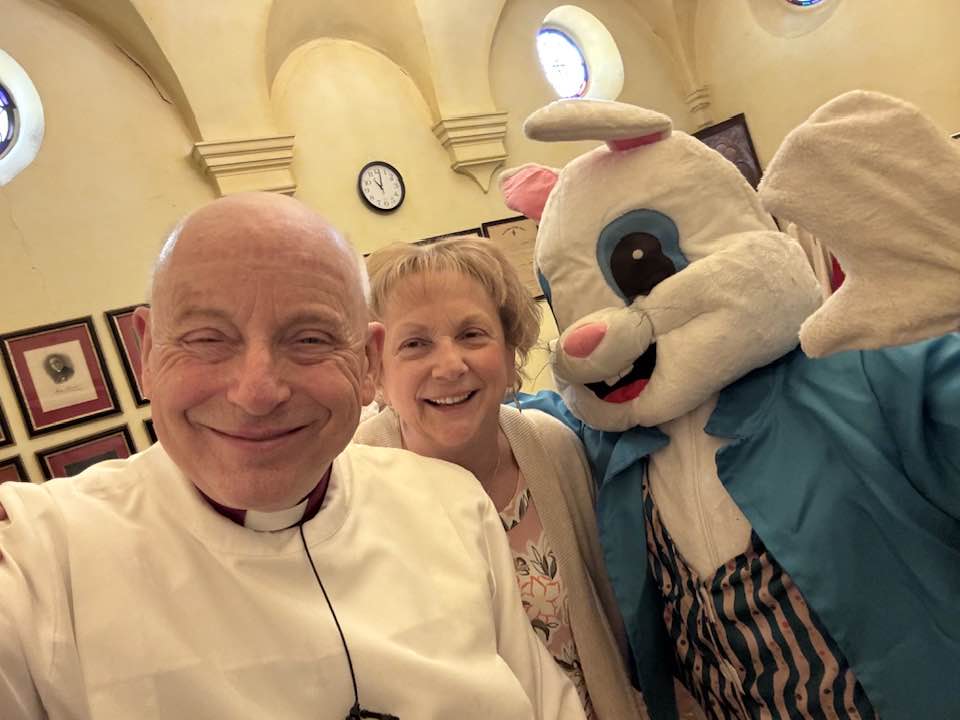
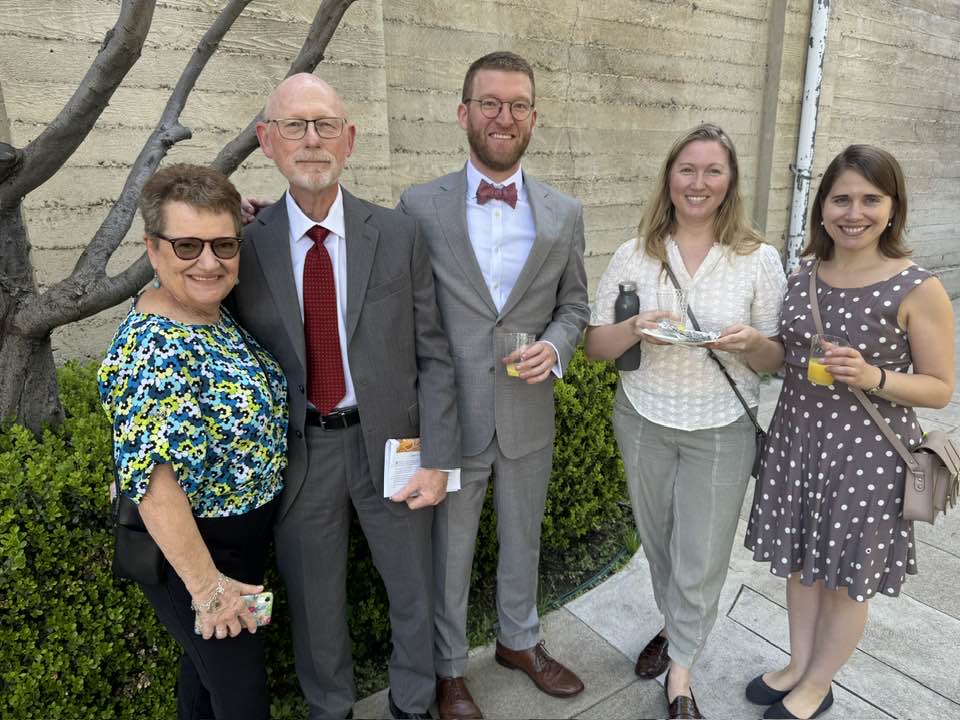
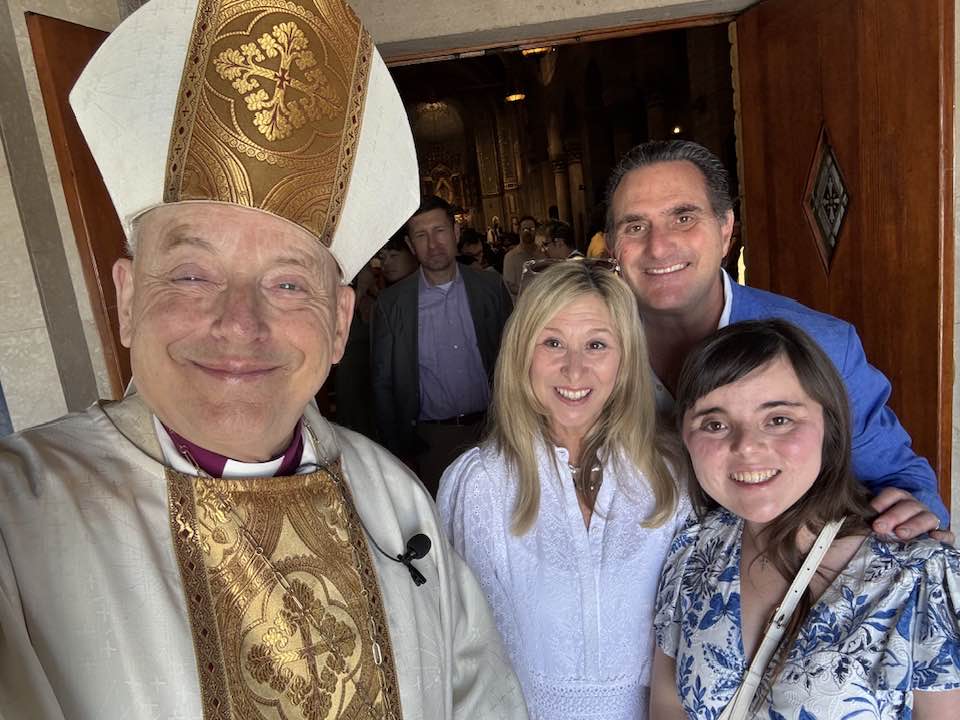
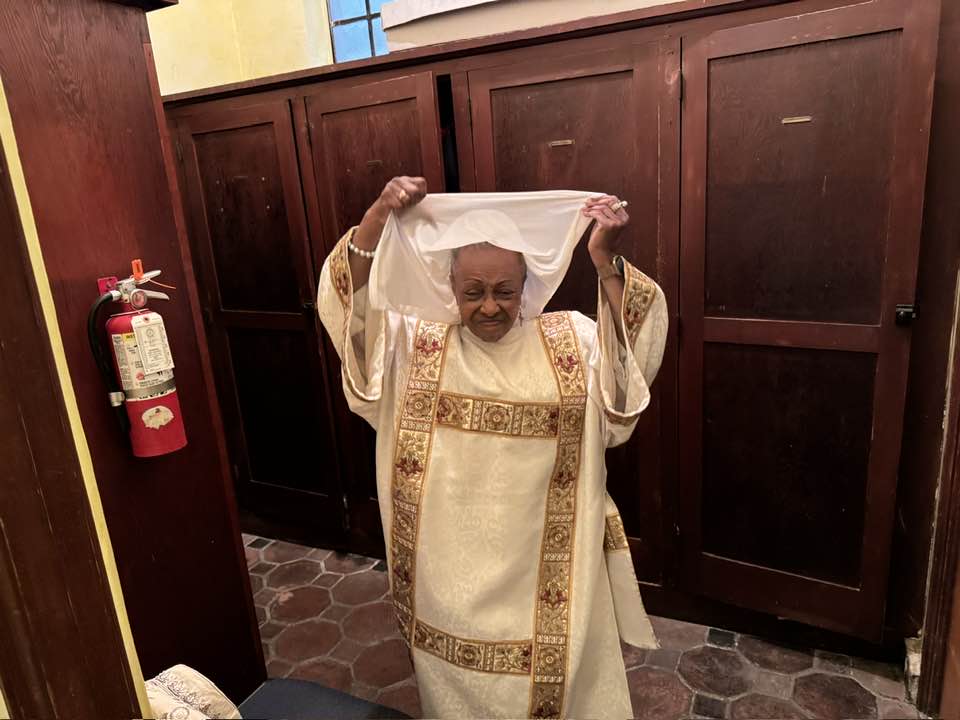
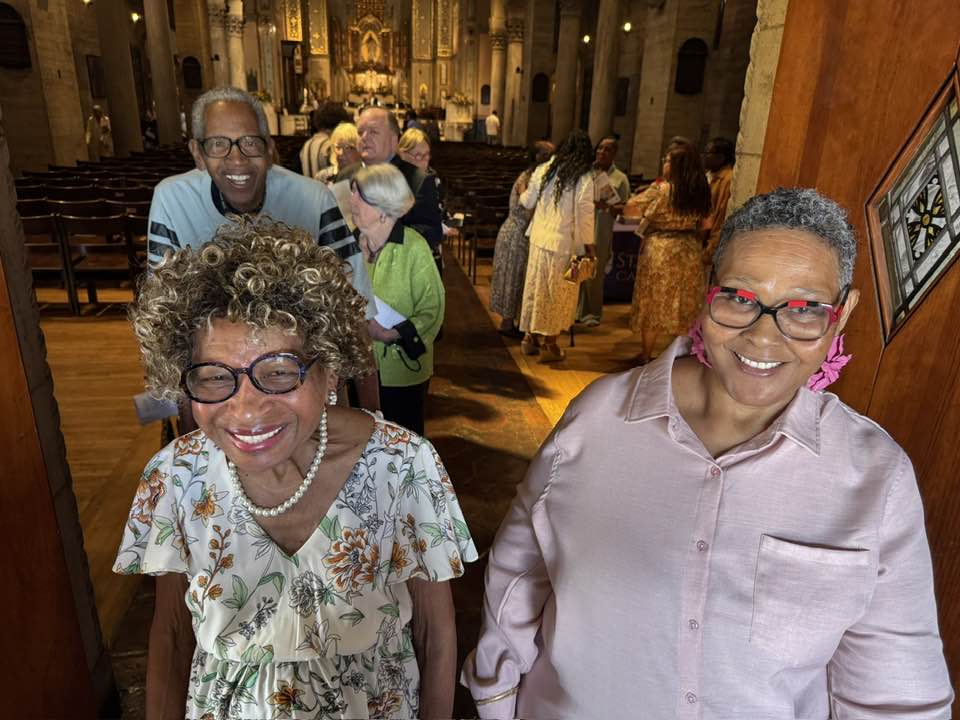
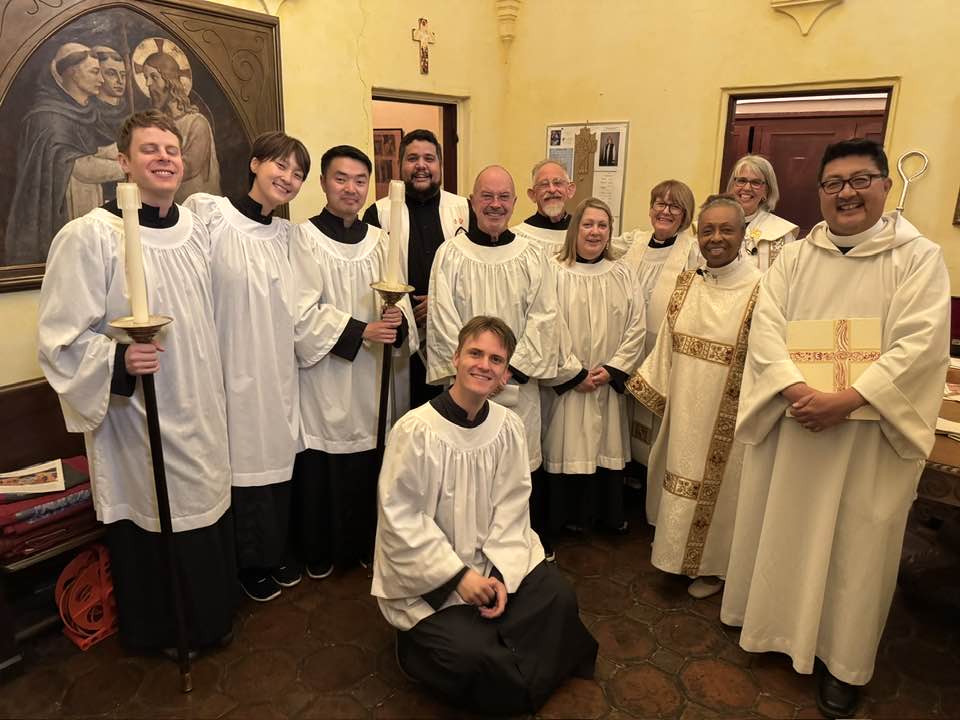
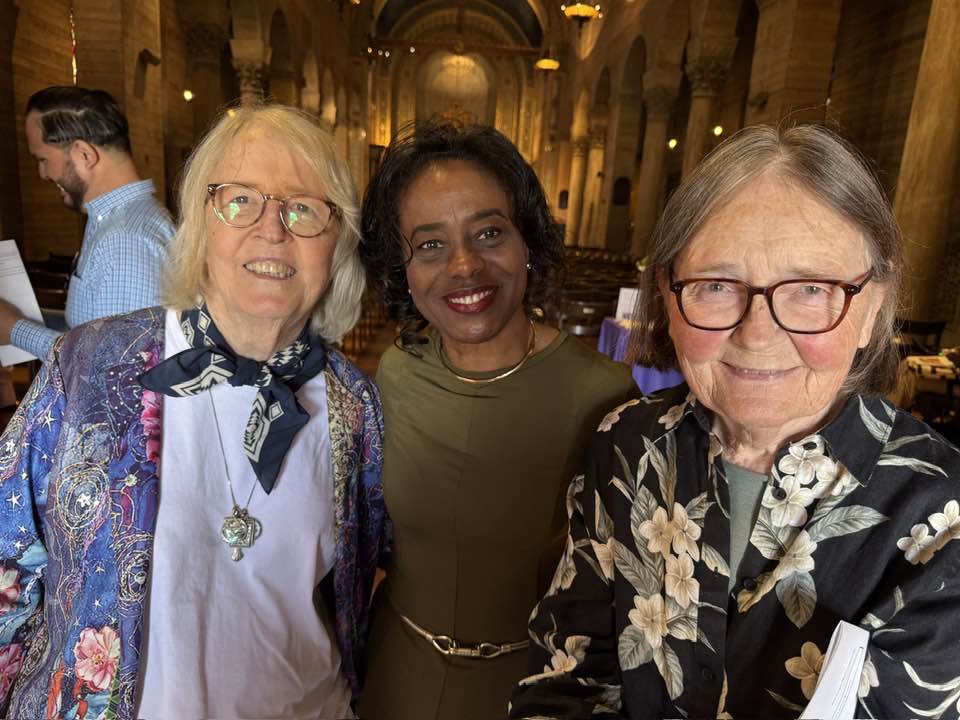
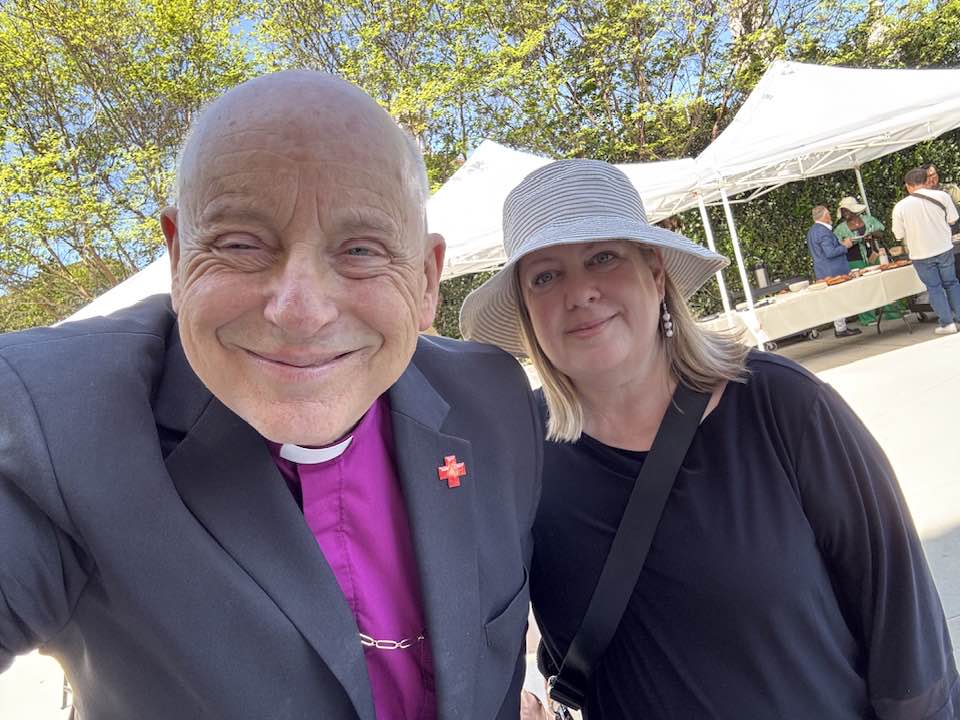
[My sermon and photo album from Easter Day services at St. John’s Cathedral in Los Angeles.]