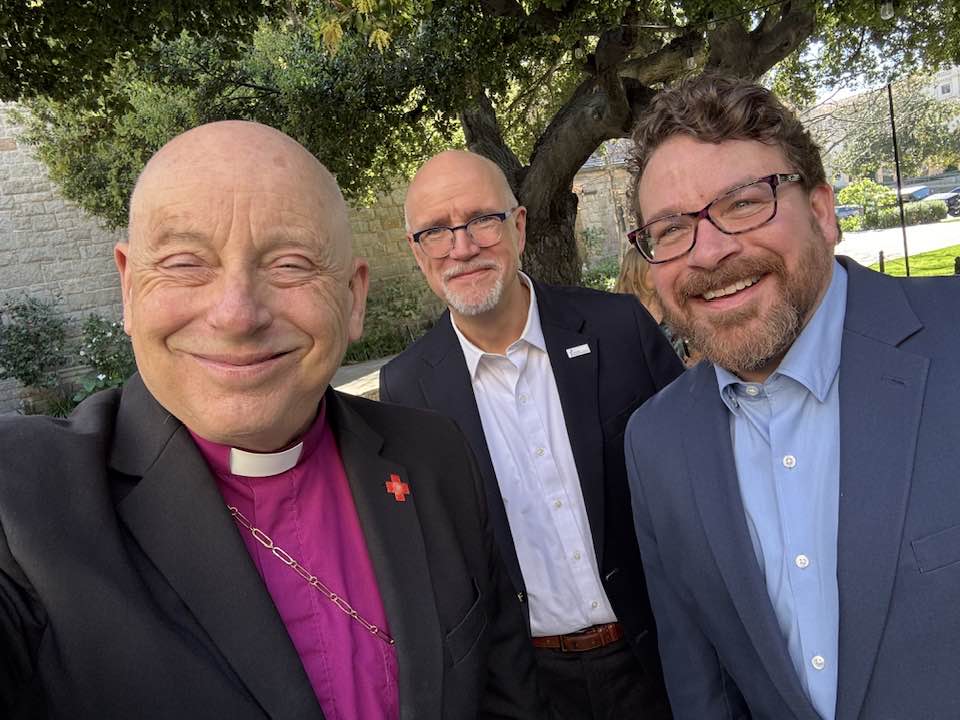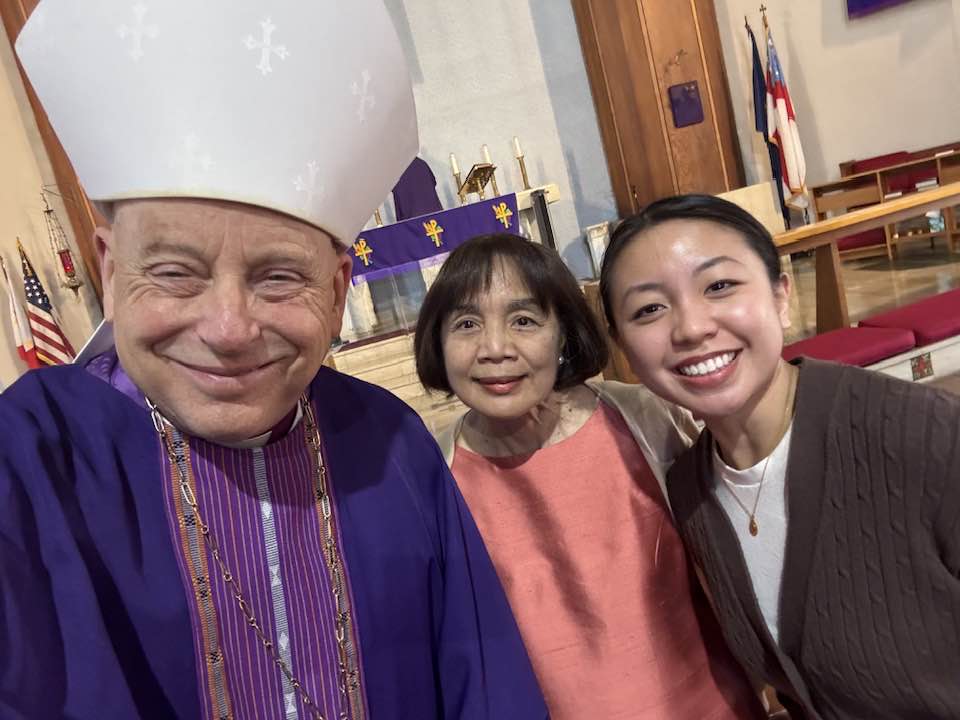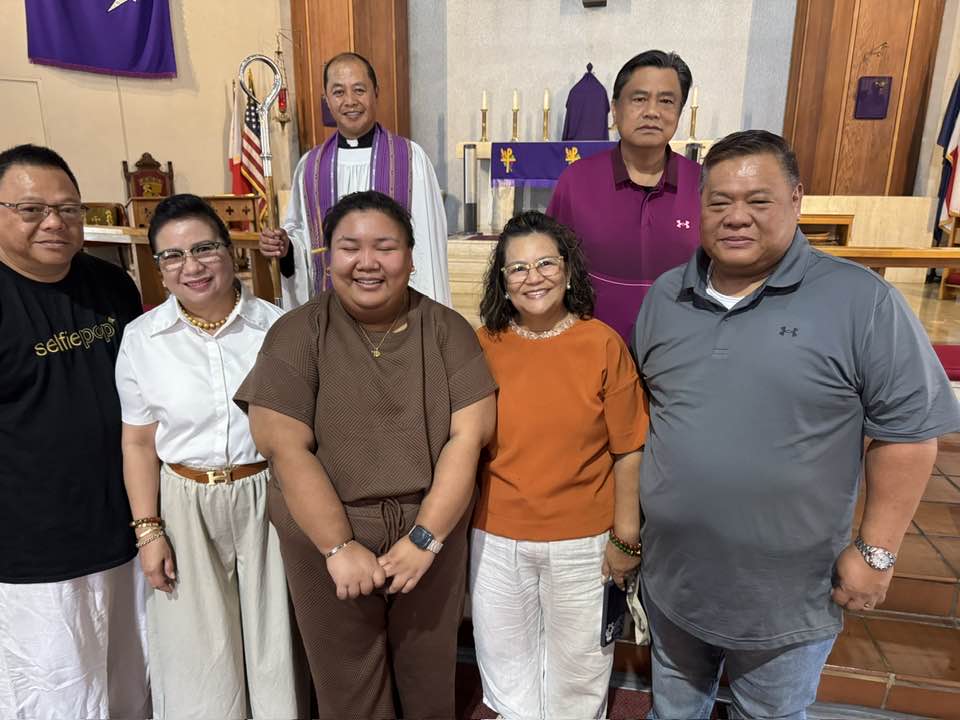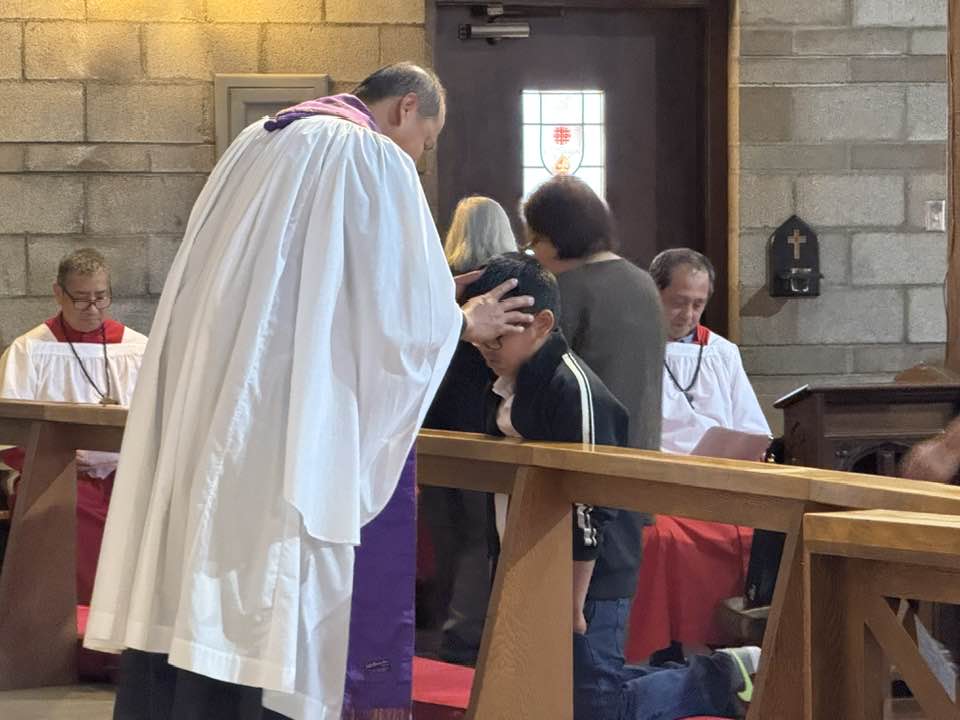
 My Sunday was full of church present and church future — visiting a thriving parish that goes against the grain of narratives of decline, then spending the afternoon with our denomination’s foremost imaginer of the church that the living spirit of our God in Christ is bringing into being.
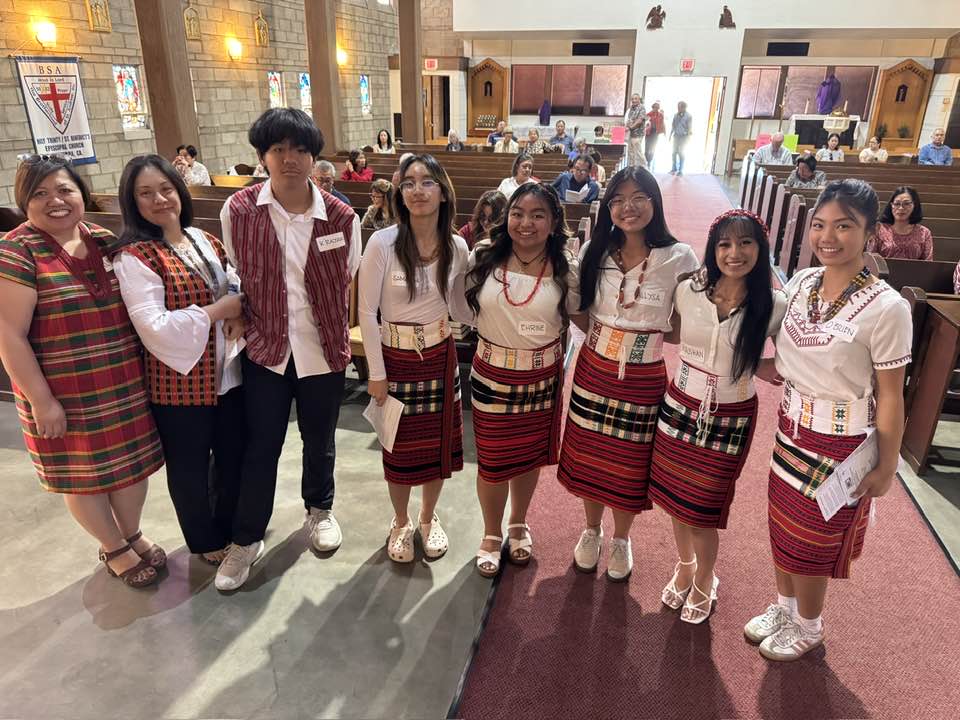
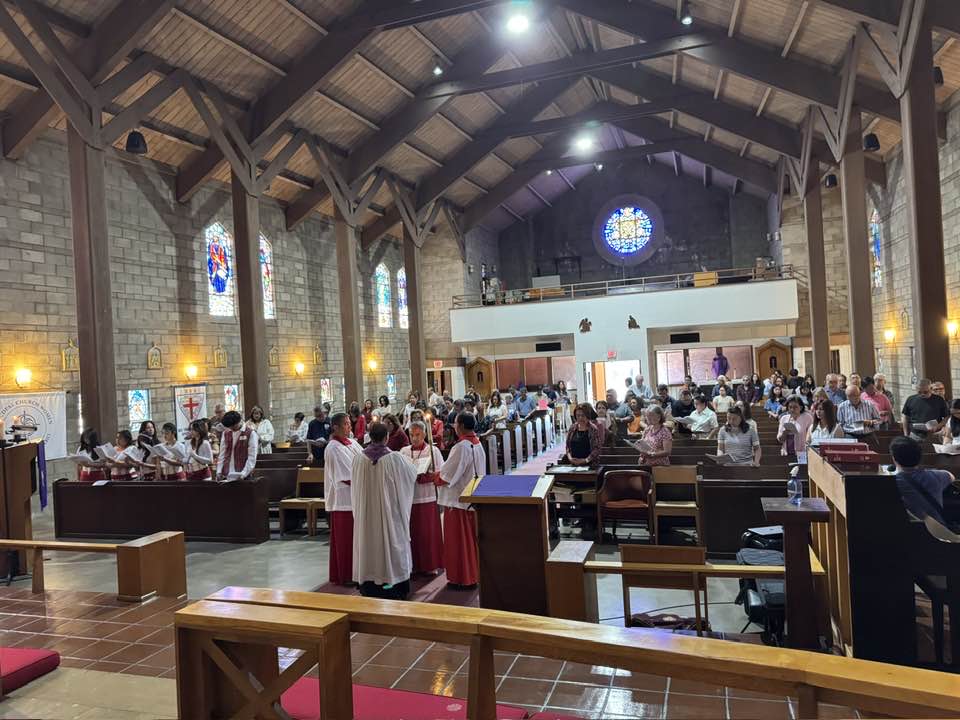
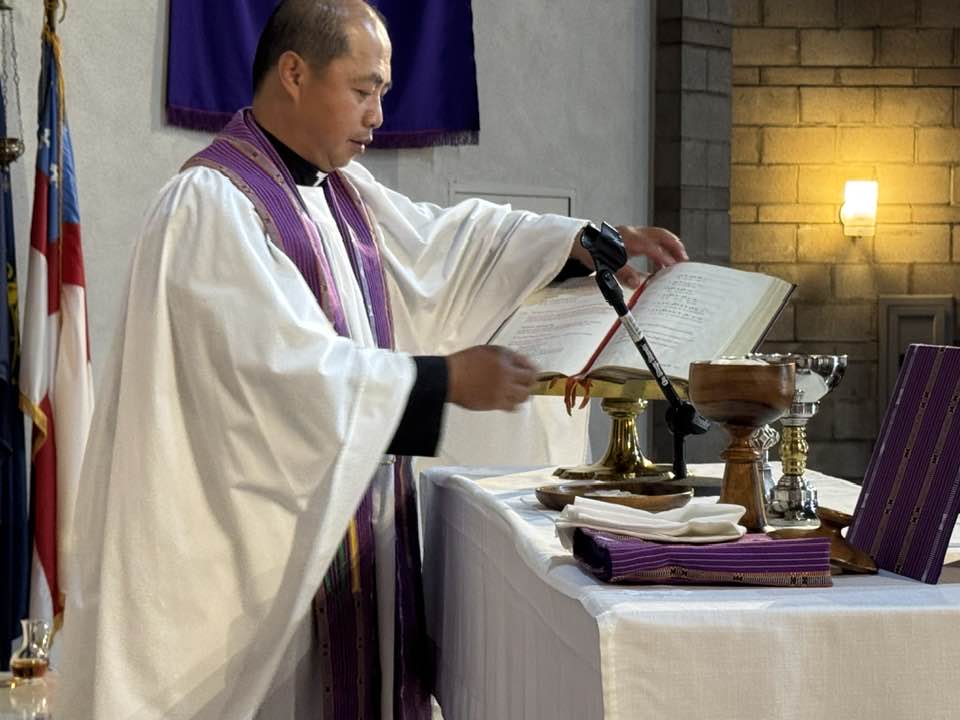
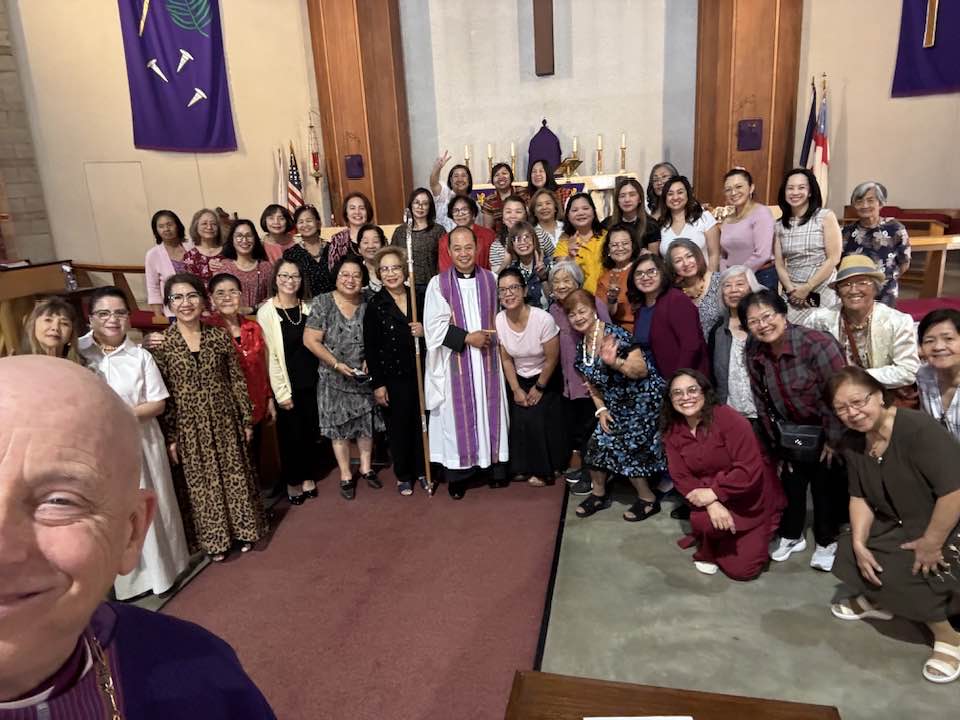
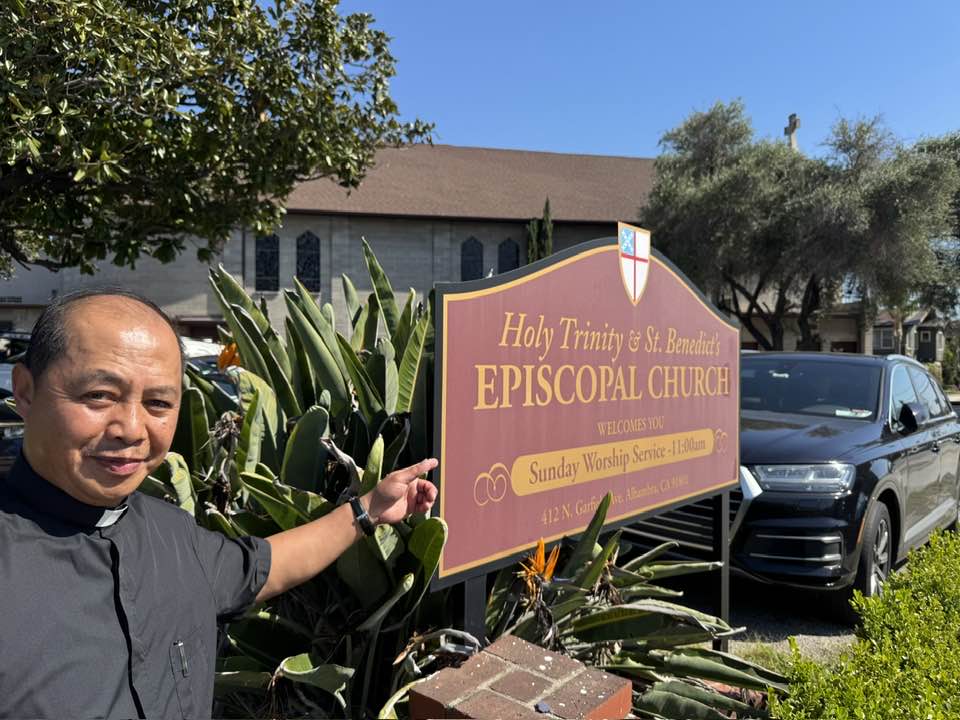
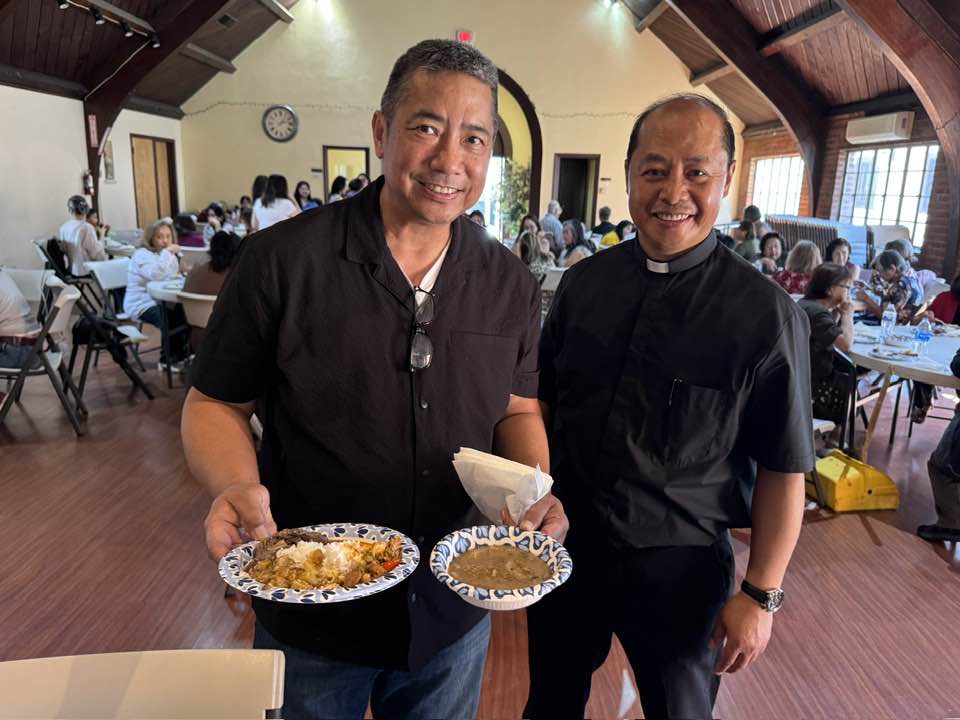
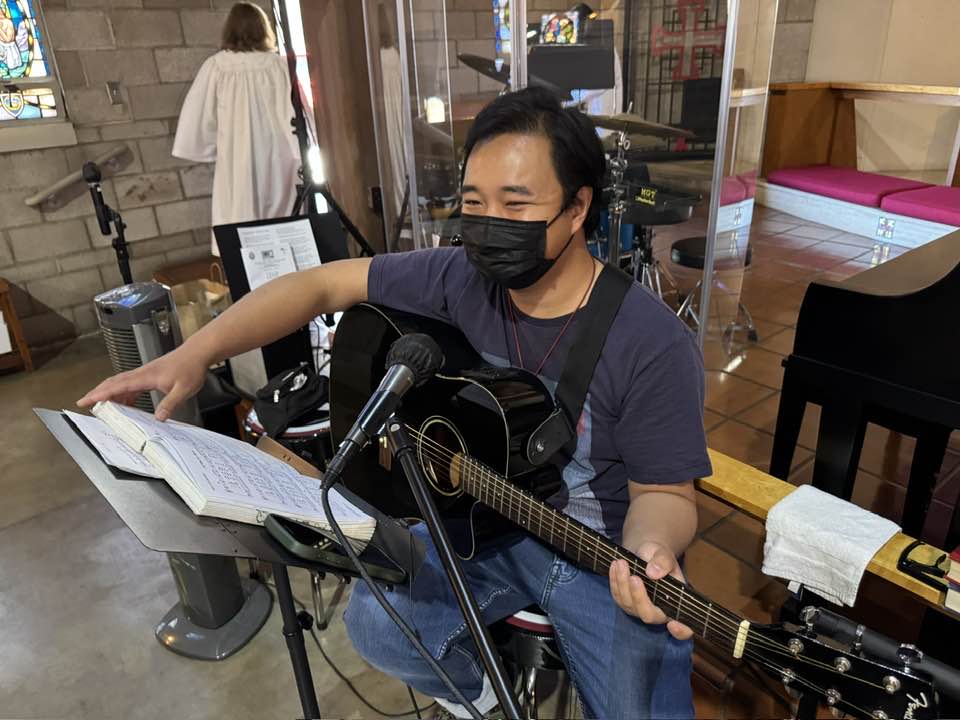
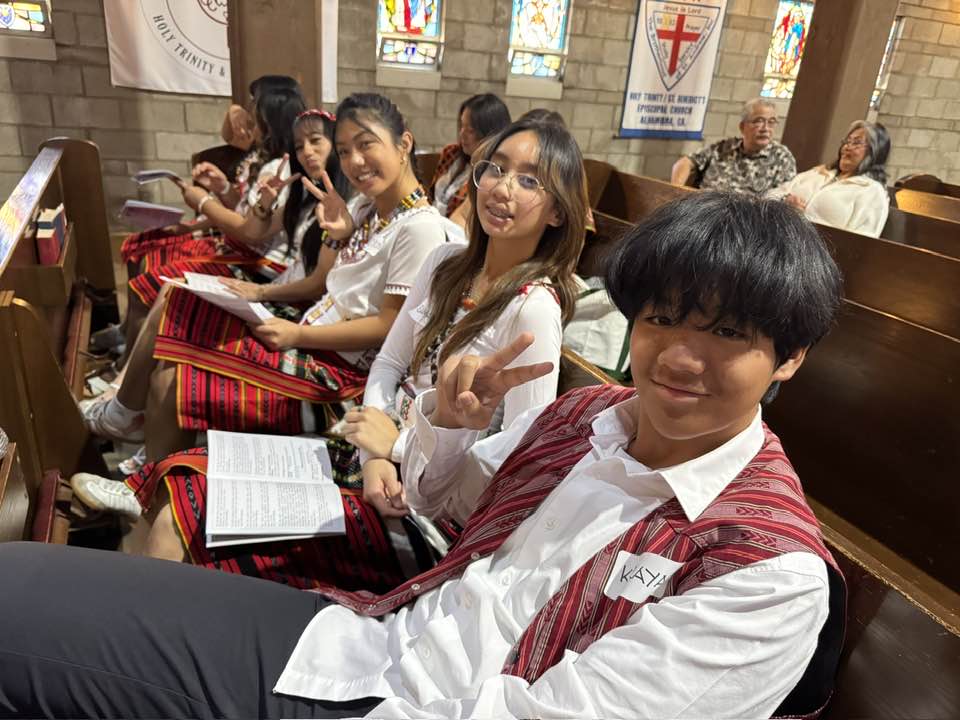
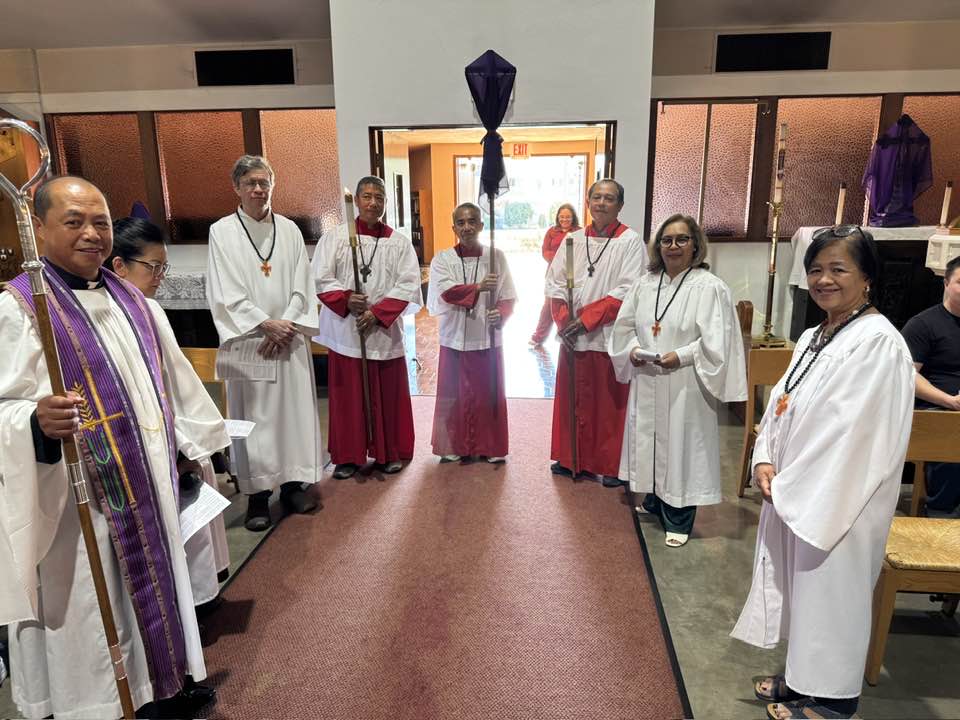
I’ve visited historic Holy Trinity Saint Benedict Episcopal Church in Alhambra more than any other mission or parish in the Episcopal Diocese of Los Angeles. I love to stick my head in when I don’t have a regular Sunday gig. Cheerful, energetic, and brimming with Jesus’s love, the Rev. Brent Quines has been rector since 2012. Youth, families, active study circles and women’s and men’s groups, strong stewardship, generous outreach — everything congregations say they want, it’s all going on at what leaders call HTSB.
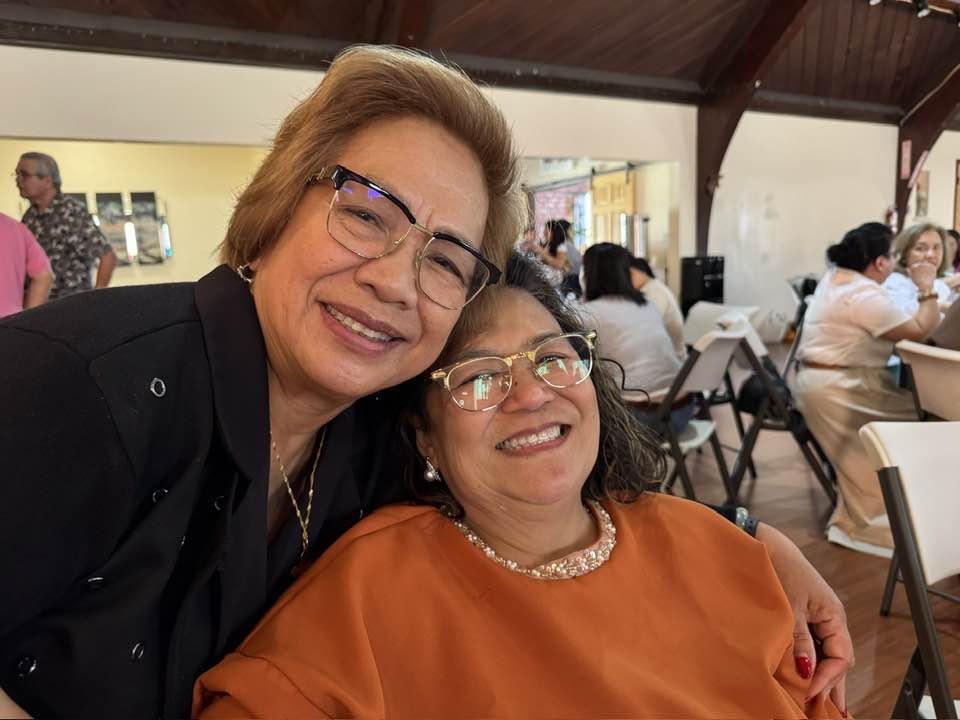
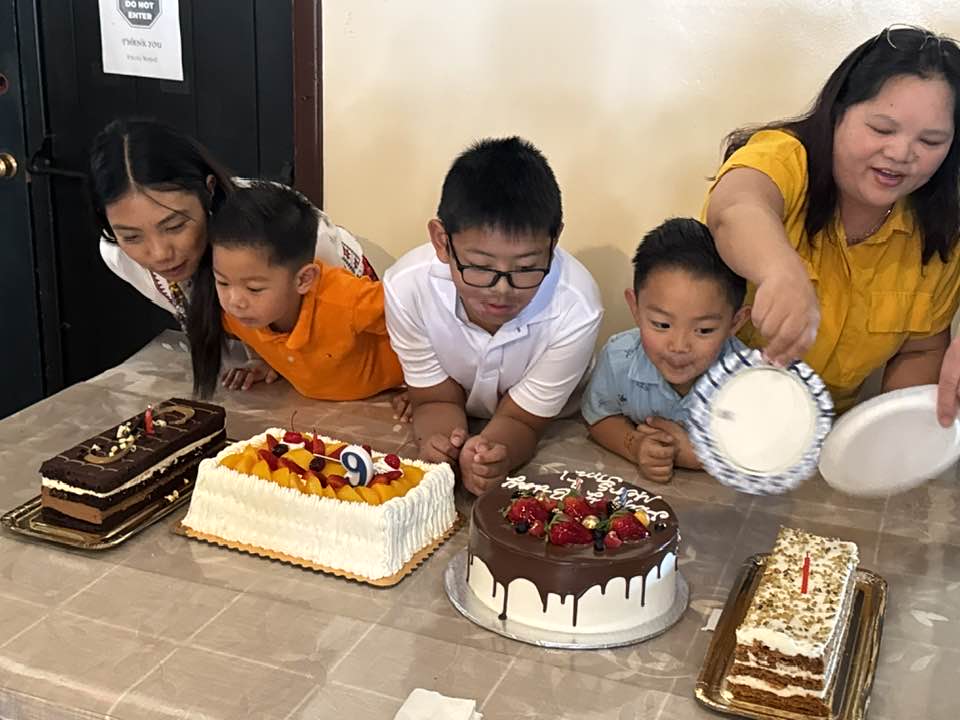
I was along to preach and preside and then break bread again, because the lunch after services is not to be missed. Would you believe four birthday cakes? The Holy Spirit confirmed five and received three. Senior warden Hilda Aquino welcomed me graciously and made sure everyone knew the important program dates coming up. Junior warden Paul Hanky Kily updated us on what the vestry, the parish’s incredibly generous and active Episcopal Church Women chapter, and the eternally sawing and hammering Brotherhood of St. Andrew (check out the new floor in the sacristy) have in mind this year for safety and beautification around an already magnificent campus.
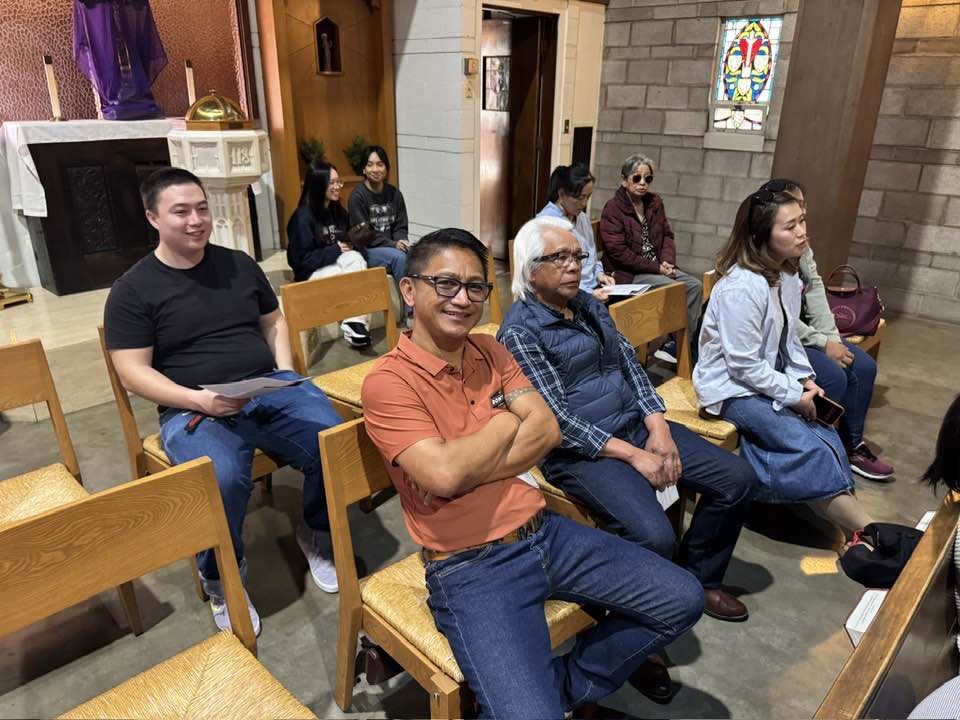
HTSB isn’t a typical congregation, if there is such a thing. Almost everyone drives in from all over the region. Most work in health care. Many are related to one another. It has found its sweet spot, satisfying people’s need for community, connection, welcome, and belonging. It’s a place you want to visit over and over.
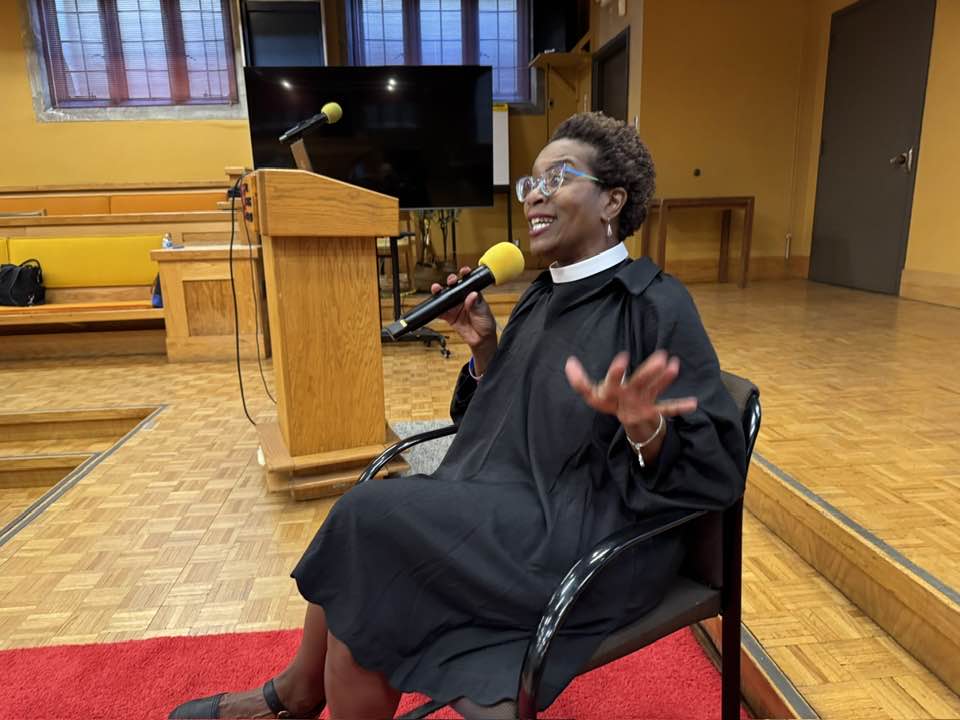
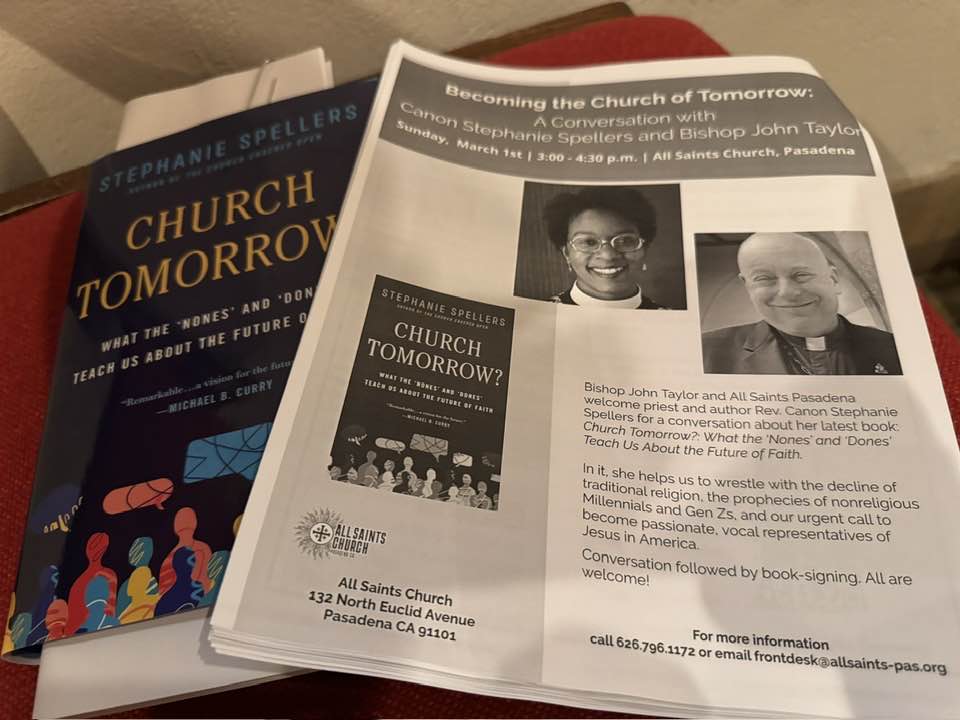
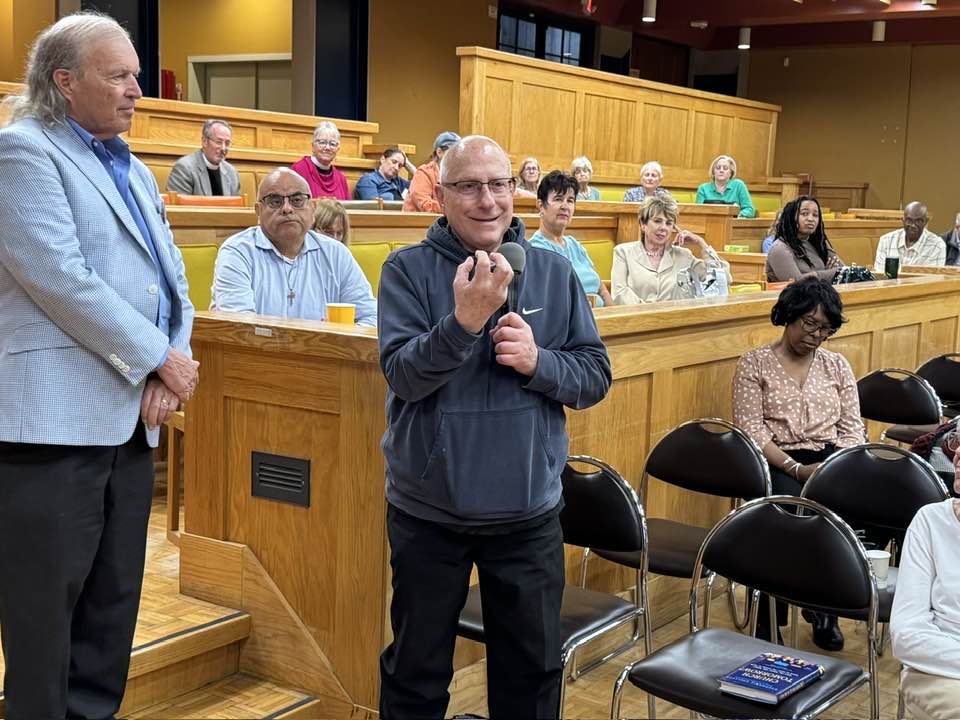
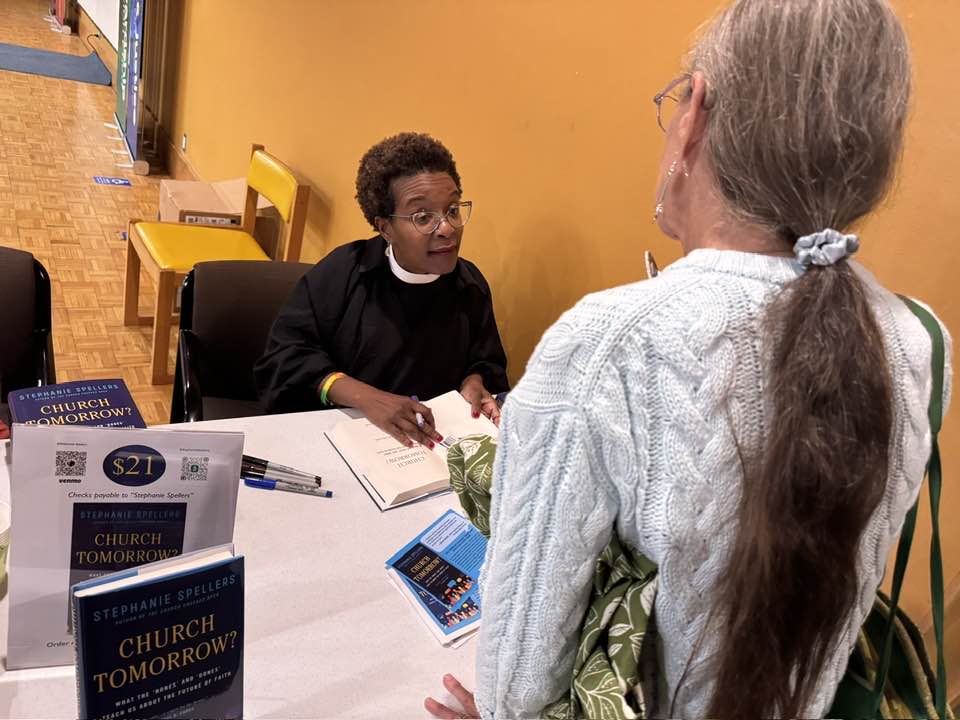
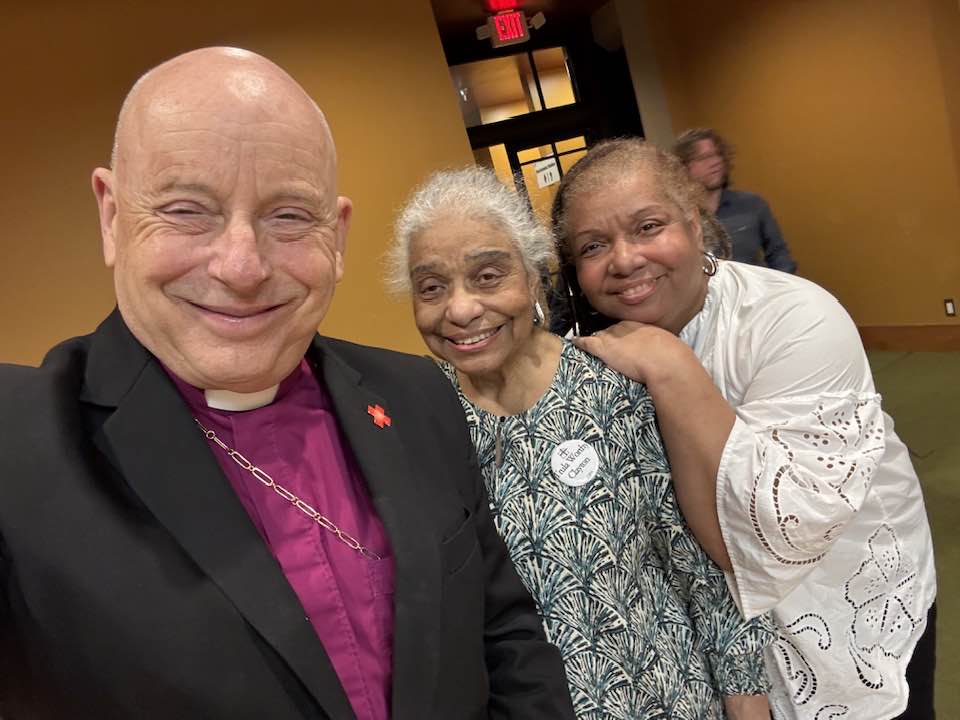
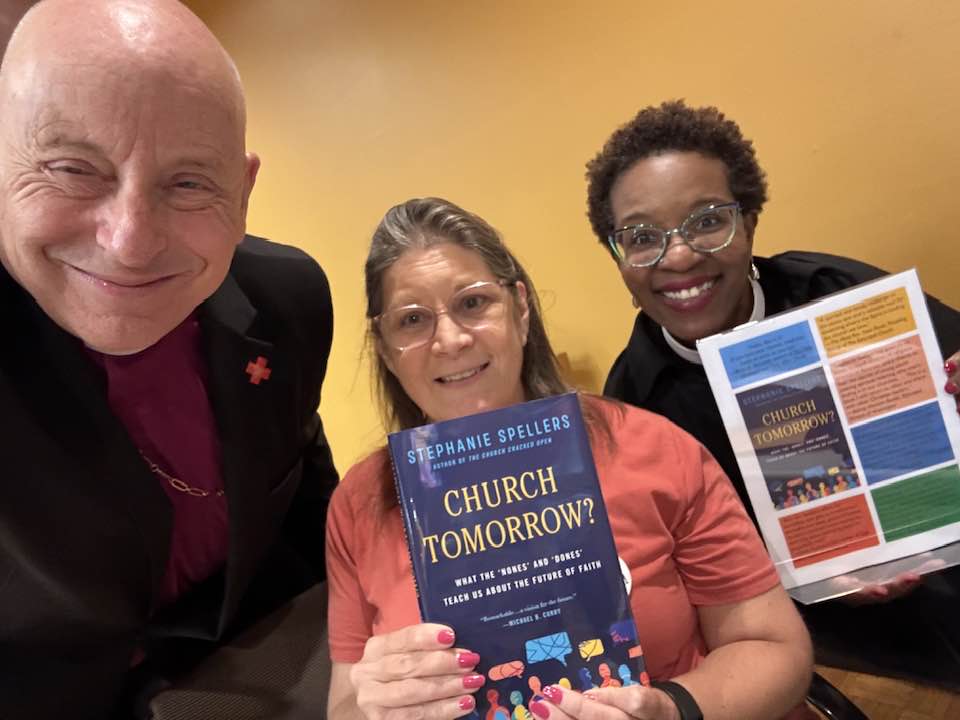
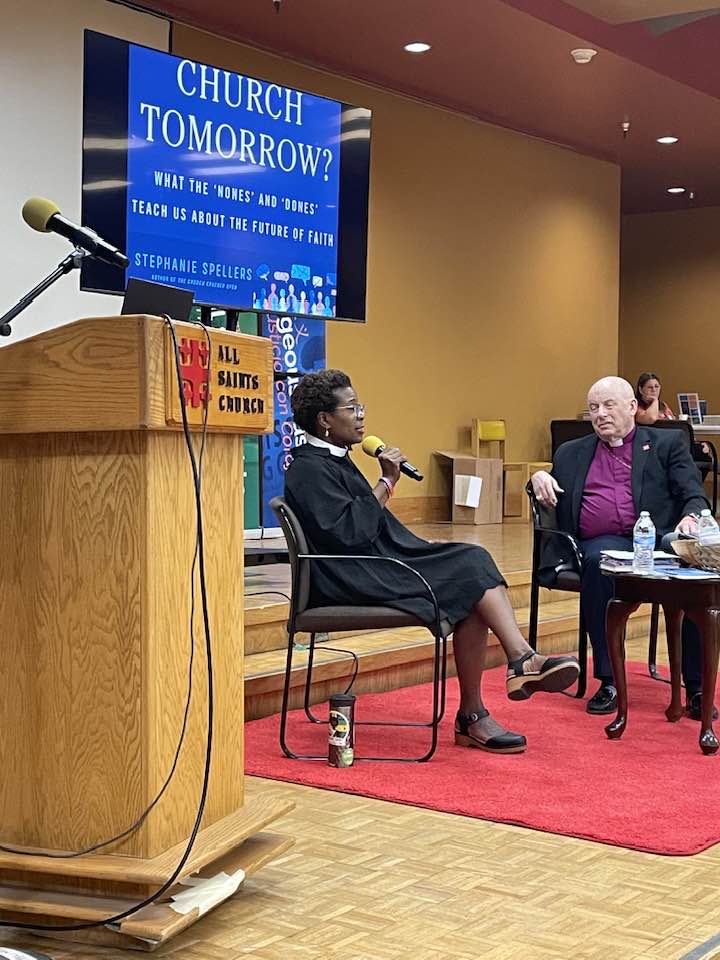
That’s some but not the whole picture of church future. On Sunday afternoon at All Saints Episcopal Church in Pasadena, I had the privilege of moderating a conversation between the Rev. Canon Stephanie Spellers and 60 of her readers. Researching her newest, which I think almost everyone in Episcopal Church leadership is reading, “Church Tomorrow? What the ‘Nones’ and ‘Dones’ Teach Us About the Future of Faith,” the author, a former journalist and top advisor to former Presiding Bishop Michael Curry, discovered that people are as spiritually hungry as ever. If the church isn’t meeting their needs, and it’s not God’s fault or people’s fault, that leaves us practitioners.
Against the backdrop of Trump’s illegal war against Iran and the other catastrophes of these times, Canon Spellers focused first on our critics’ plea to followers of the Prince of peace and justice to act according to orthodox gospel values. We know what Jesus would say about these events. But we’re sometimes afraid to say.
She said people also want church experiences that are more joyful — respectful of tradition without being bound by it. They want a more explicit connection with creation. And they yearn for precisely the kind of intimate, incarnational experiences of relationship in community across the passing years in which HTSB specializes. All in all, Stephanie has an optimistic vision, a both-and vision, a vision that will enable us to keep doing what we love as long as our insistence on current practices doesn’t become a stumbling block for all the angels who would rush in if we just got out of God’s way.