 Bishops in The Episcopal Church who are preparing to retire, as I will next year, talk about the poignancy of their valedictory round of congregational visits. One of the largest in the country, the Episcopal Diocese of Los Angeles has 133 missions and parishes. My last visit to most of them occurred two or three ago, when we weren’t thinking in retirement terms — or at least I wasn’t. But a farewell tour of congregations I’m scheduled to visit between now and July, when we’ll ordain and consecrate the Rev. Dr. Antonio Gallardo as eighth bishop of Los Angeles, is now well underway.
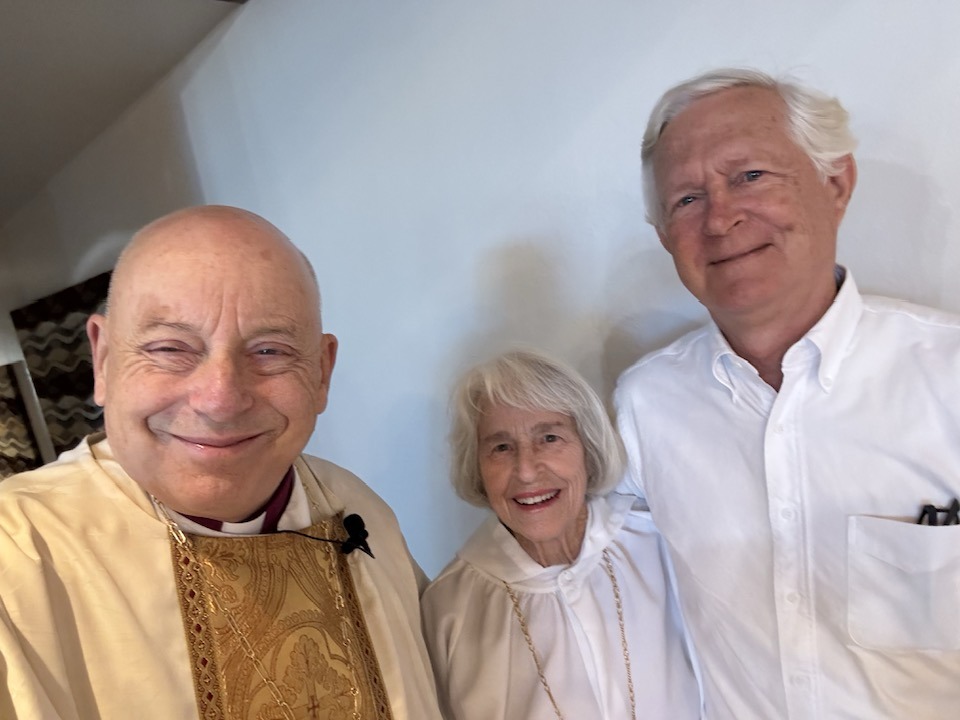
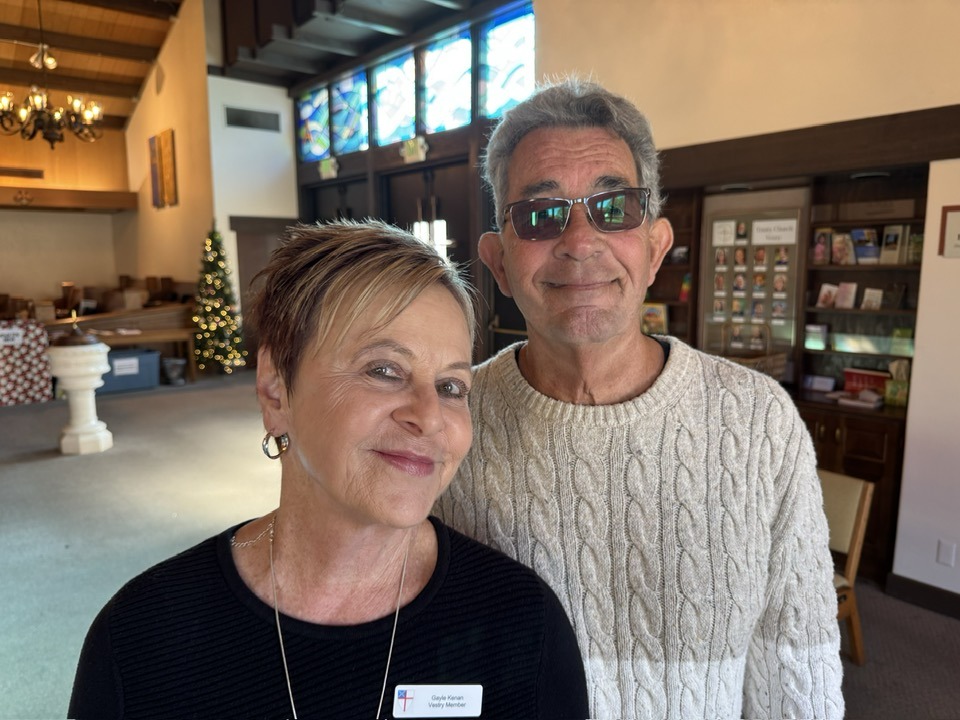
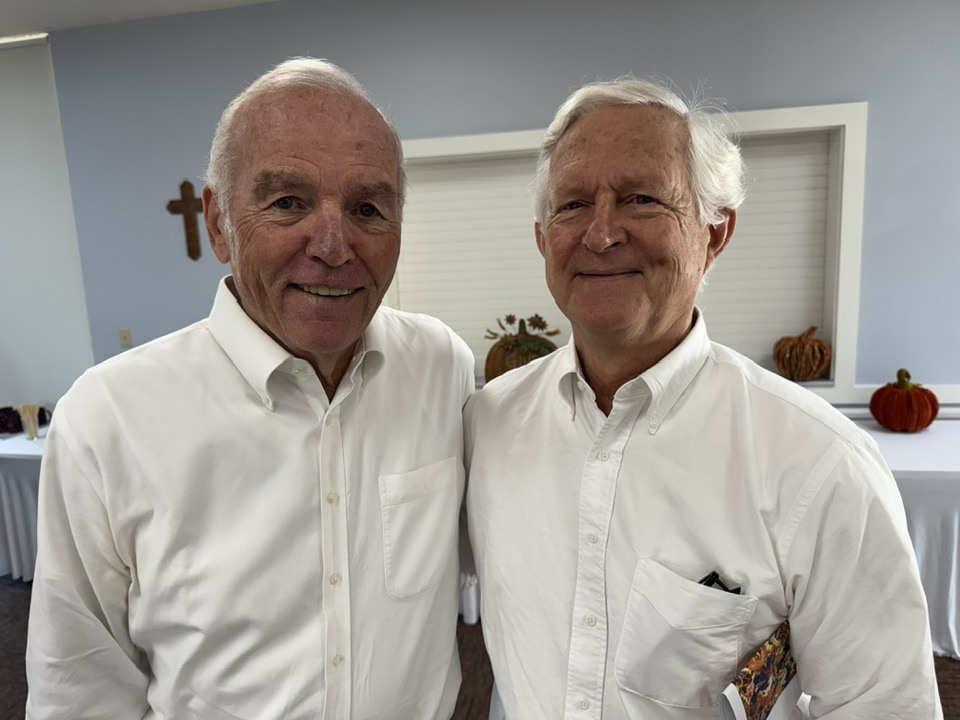
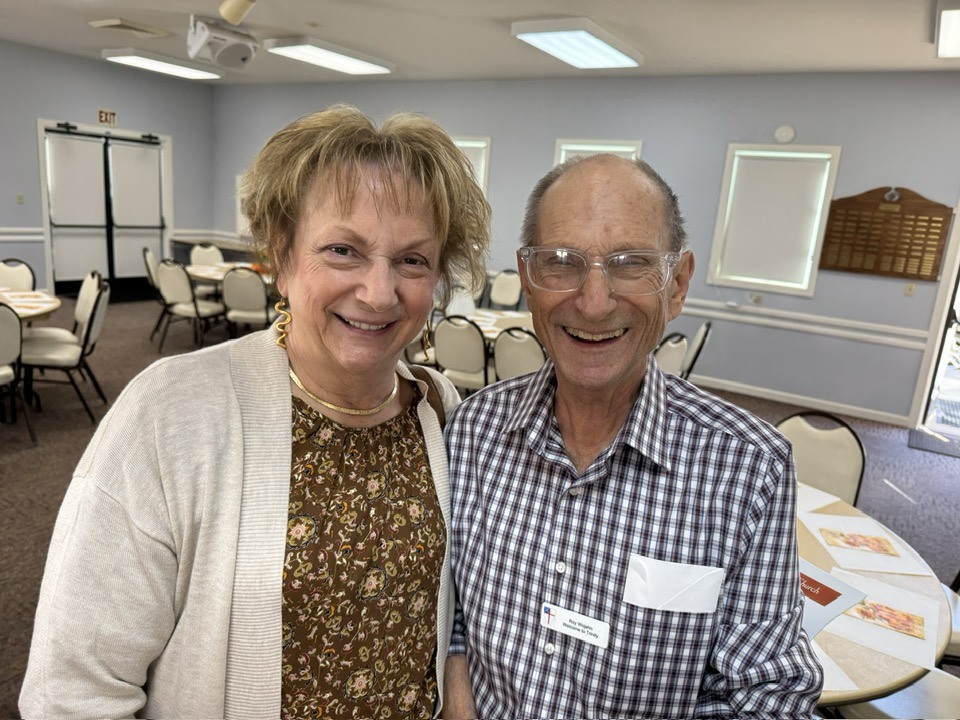
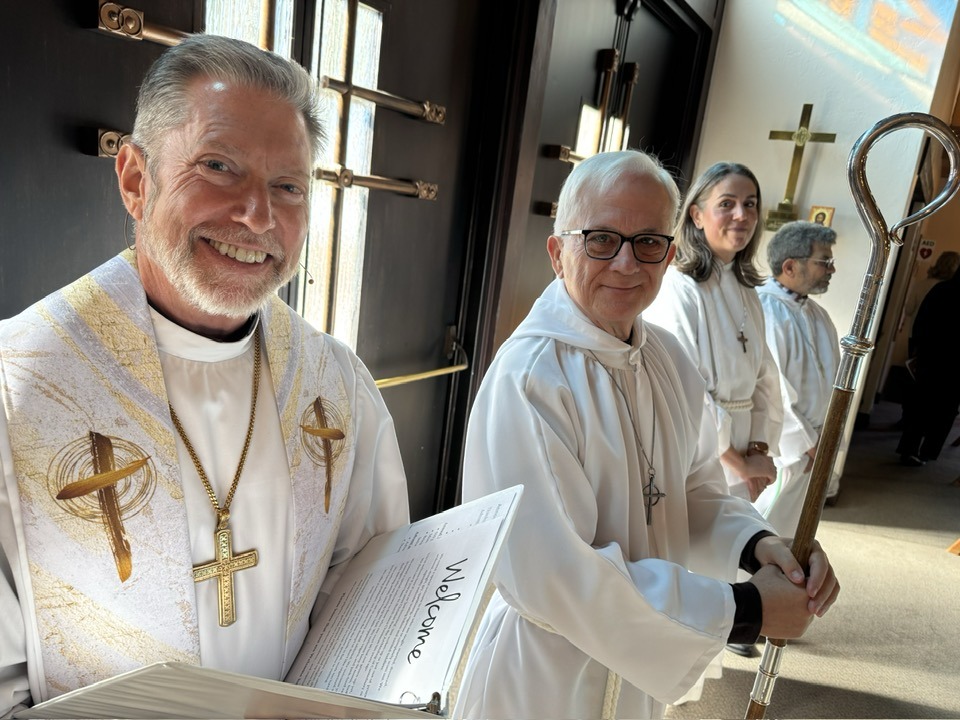
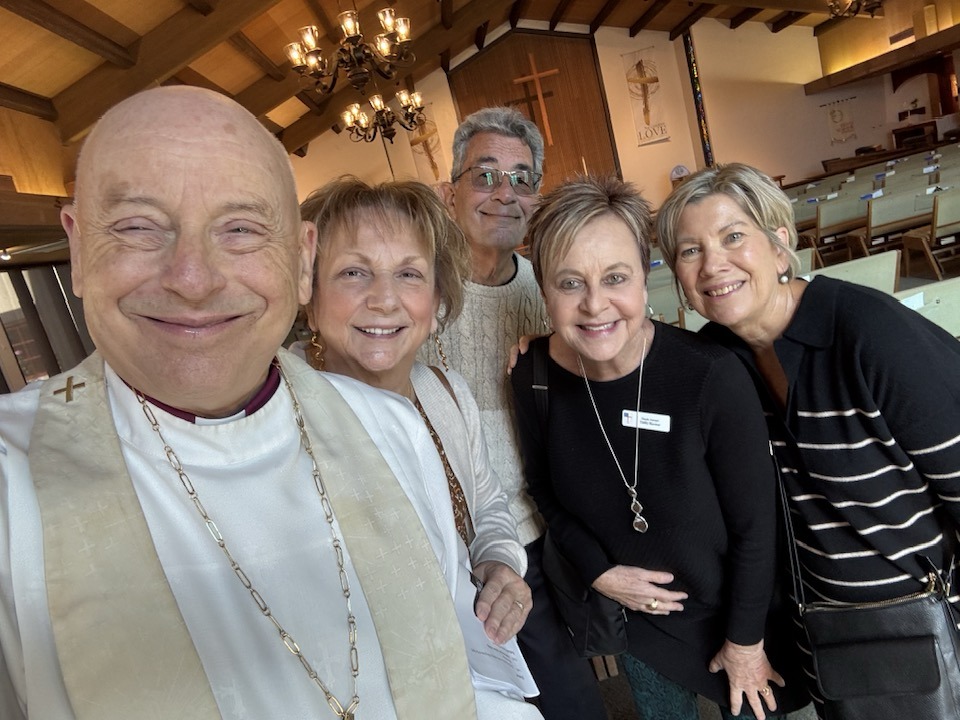
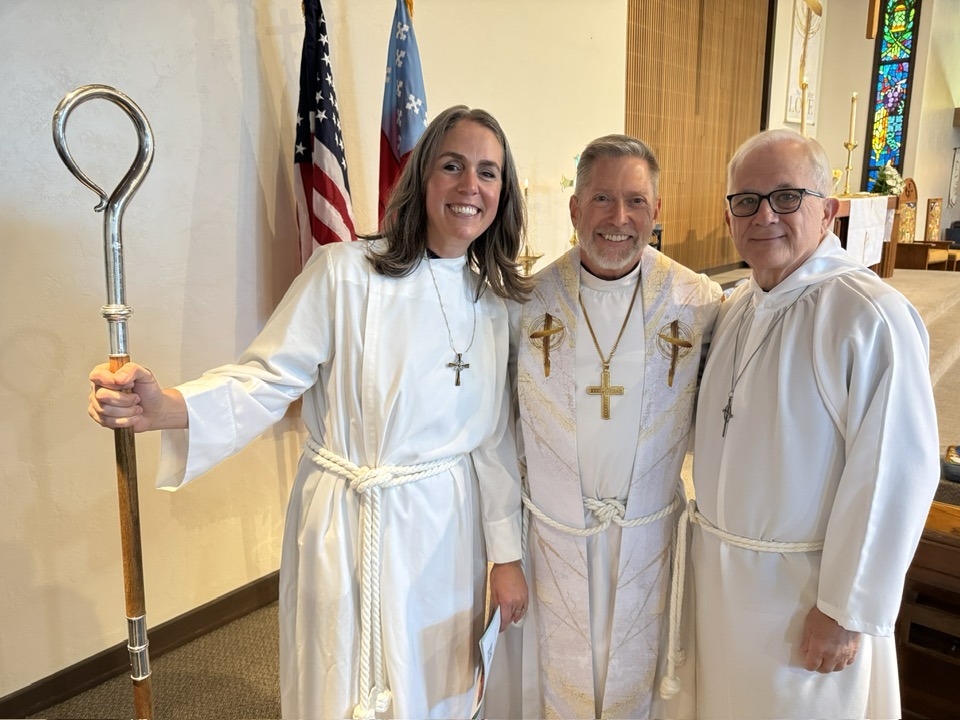
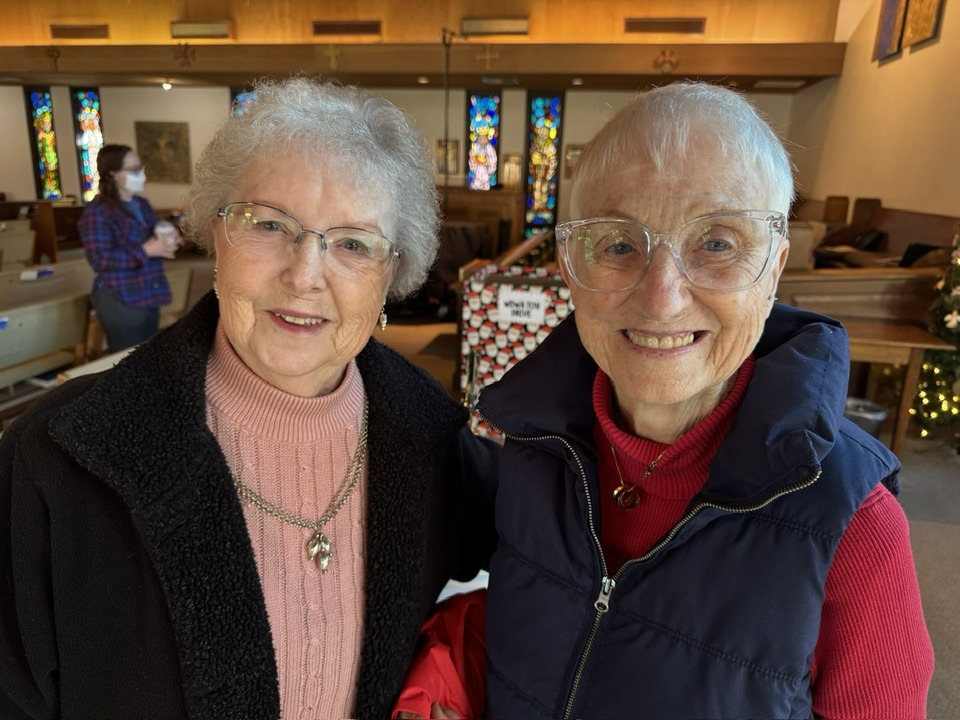
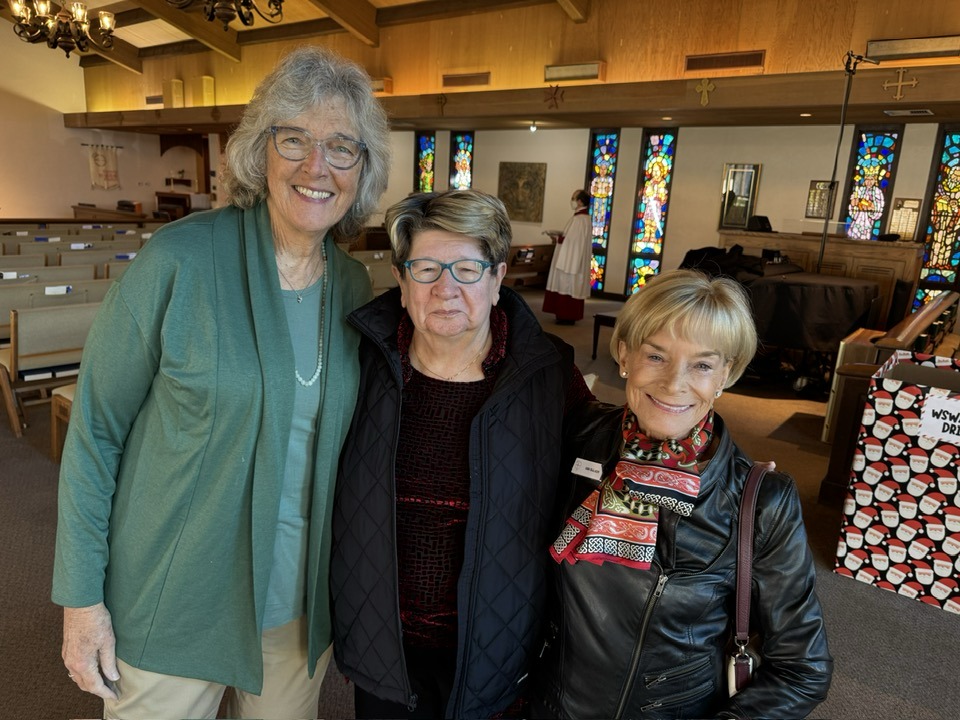
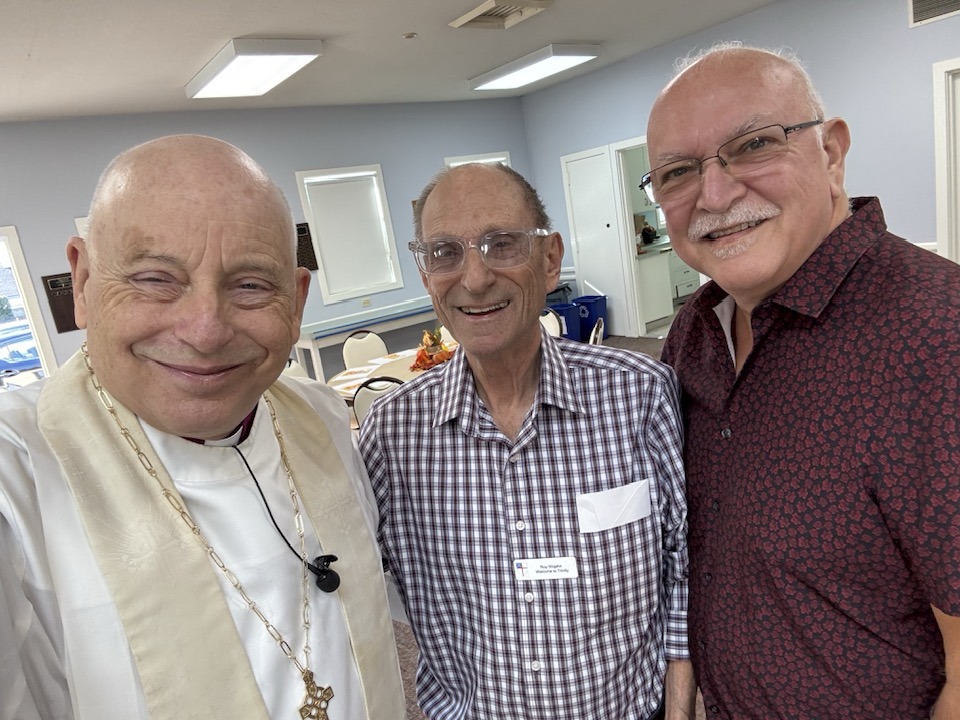
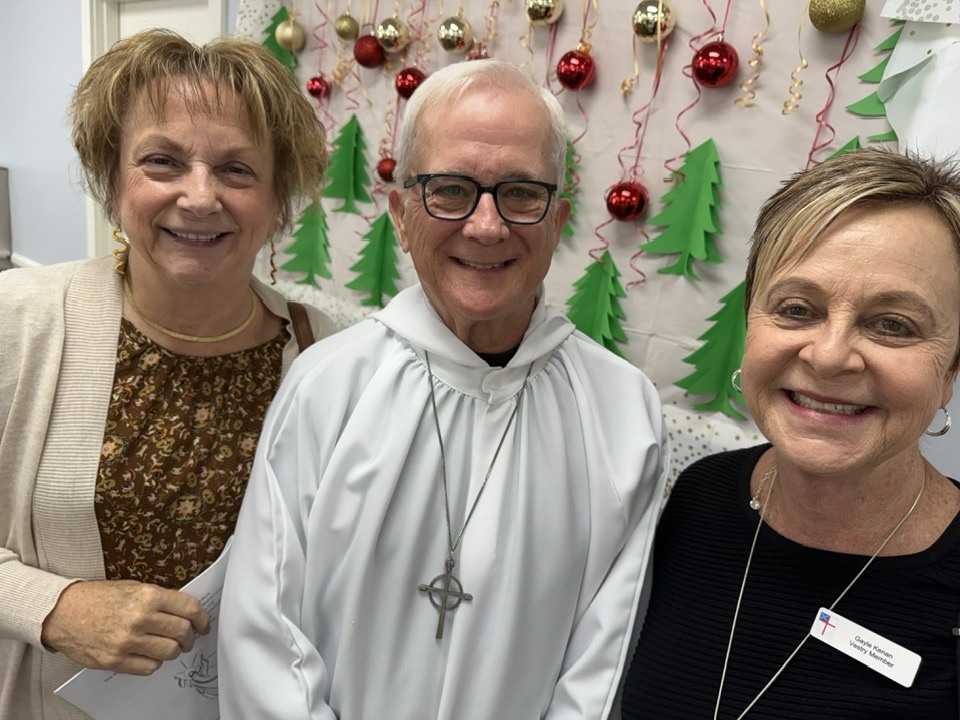
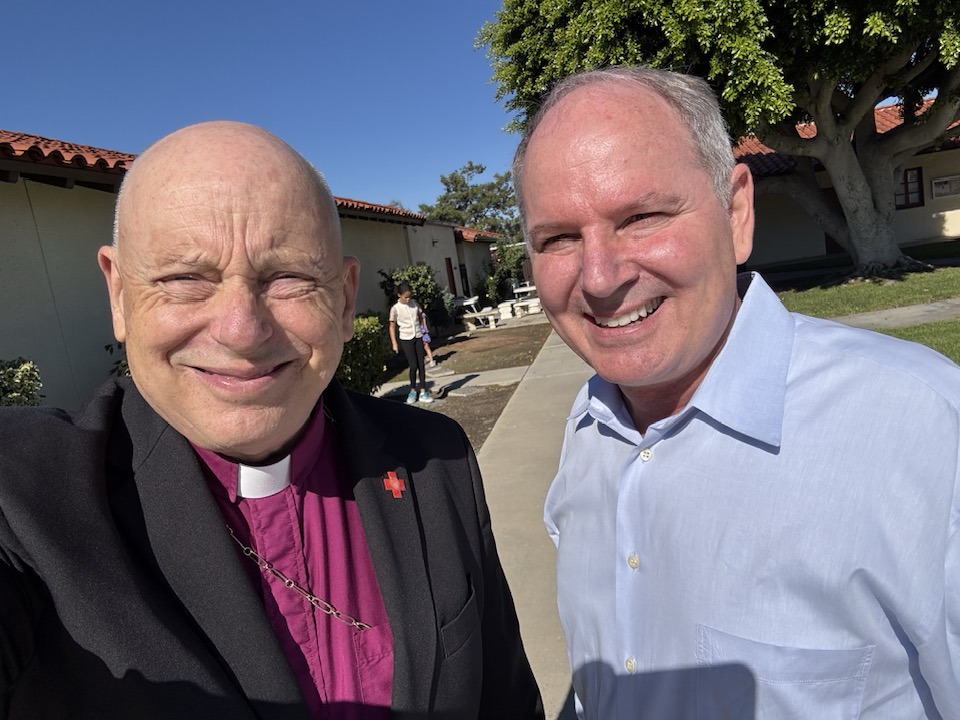
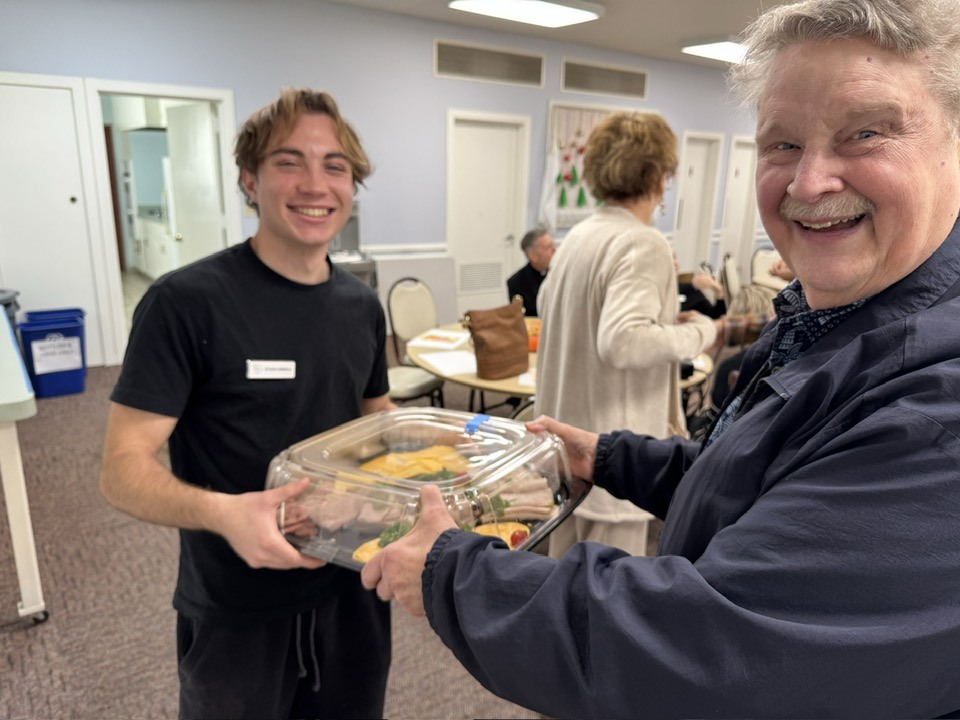
Kathy’s and my Christ the King Sunday stop at Trinity Episcopal Church in Orange, where I presided and preached at two services, felt like both farewell and homecoming. We were among more than the usual number of fellow Holy Land pilgrims, including the rector, the Rev. Steve Swartzell, his architect spouse, Bob, and my kind volunteer chaplain, peerless photographer Rocky Covill. My train-loving buddy Roy Wojahn was aboard, spouse of my late friend and colleague the Rev. Karen Wojahn. Indeed the congregation brimmed with friends and former neighbors.
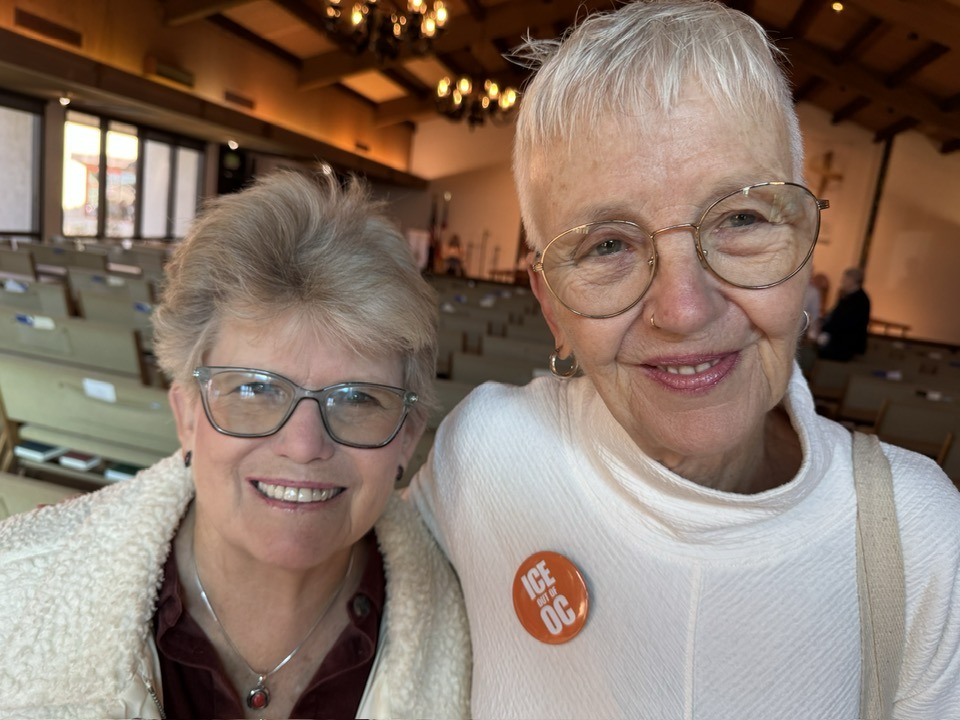
Trinity has always had a welcoming, hometown feel in any event. In the November parish newsletter, Fr. Steve described it as a second family. As I said in my sermon, second families are especially important if our first families let us down or cruel politics makes neighborhood streets unsafe. For example, it’s hard for people of color dodging ICE vans in parking lots to get their Thanksgiving and Christmas shopping done. Working with Laura Boysen-Aragon, serving this year at Trinity while discerning her call to leadership in the church, the parish has made common cause with the Western Service Workers Assn. and El Modena Family Resource Center to provide groceries and Christmas gifts for neighbors who are under siege by our government.
To bear witness against this injustice, you’ll find plenty of Trinity folks at No Kings rallies. For some, having a Christ the King rally in church, complete with costumes and triumphal songs, was a source of cognitive dissonance, notwithstanding the glorious harmony. I stood with the mighty Trinity choir for the recessional hymn so that I could hear the thrilling lift of the soprano descant in my fading ears: “Crown him with many crowns!” The Roman Catholic Church established the commemoration a century ago this year, worried following the horrors of World War I that people would continue to put their trust not in God but in the state and strongmen. They were right to worry. Kings, chancellors, Communist Party chiefs, and presidents may have polluted the metaphor of kings and kingdoms beyond redemption. Preaching submission even to benevolent authority is problematic, especially in a western context, where we mostly free, self–actualized people want to look our God square in the eye.
And yet Jesus himself did not repudiate his kingship, nor as he hung on the cross did he quibble with the crucified sibling who said he would be entering his kingdom. Jesus just said it would be paradise, a realm not of domination but mutuality and joy. Certain things do remain non-negotiable. When it comes to the law of heaven, there is no balance of power. The Holy Trinity has all three branches of government covered. As it always has been, is, and is to come, we are to love God and love our neighbor as ourself. If our God in Christ is our king, that’s a commandment. If Christ is our buddy, we’ll call it a guideline. Either way, without it, all is lost.