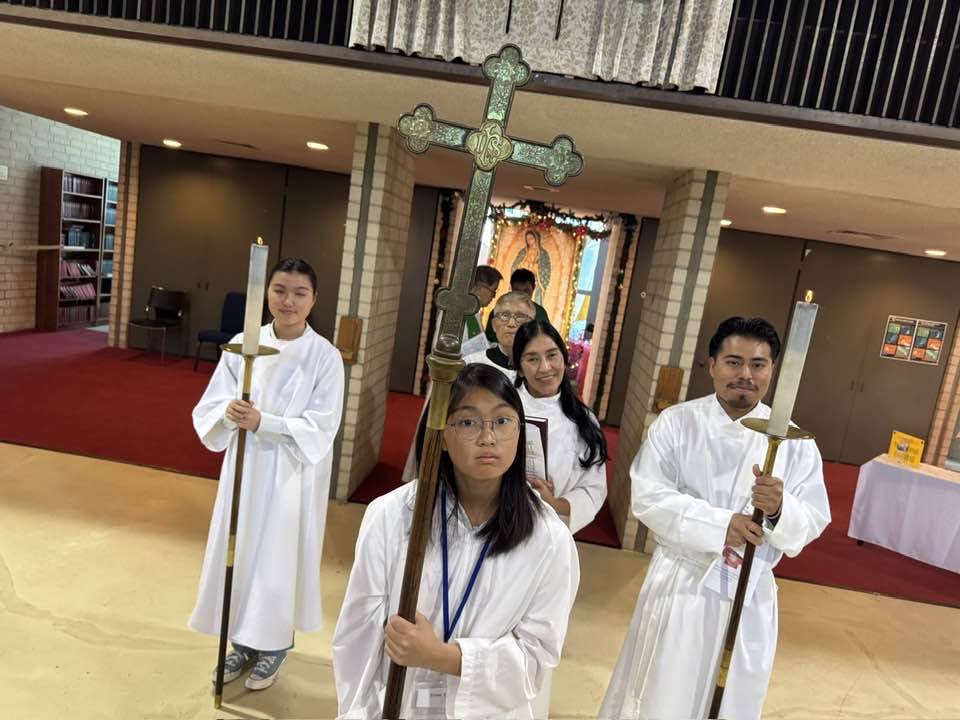
 “Preach the gospel” may be the single most common piece of homiletic advice. No matter what’s happening in the world or the preacher’s life, the good news is the best bet — the birth, life, teachings, death, and Resurrection of Jesus Christ and the authority they convey to teach, reassure, and challenge the people of God.
If the empty tomb ended the power of death in our lives, if only because death isn’t the end, we can always afford to take risks for righteousness, love, and justice. If Jesus is the savior of the world, we had better follow his orders (Matt. 7:12): “In everything do to others as you would have them do to you; this is the law and the prophets” — being kind whenever we can and never engaging in cruelty or violence for their own sake, whether in our house or the White House. If the golden rule applies to you and me, then it applies to Trump, Putin, and Xi. It’s the only thing that works, and it always works in the end.
In these last few weeks of my vocation as bishop diocesan in the Episcopal Diocese of Los Angeles, I am measuring out the golden rule mile by mile. Calling it my au revoir tour makes me feel less sad than saying farewell. The expression is a French toast — “to the seeing again,” as we all will with one another, over the rainbow if not over coffee.
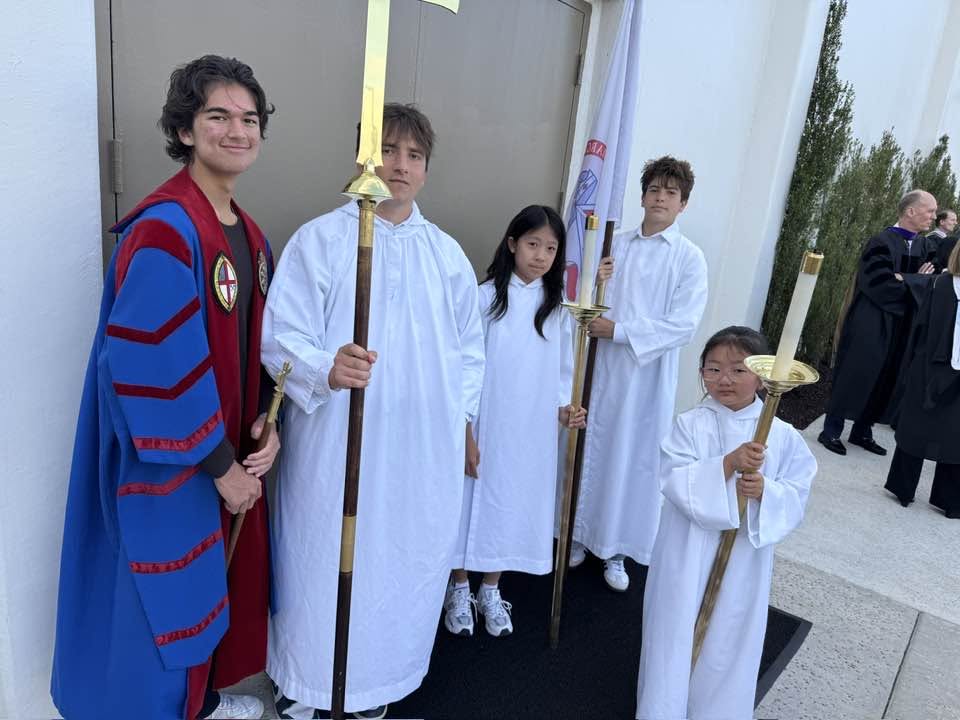
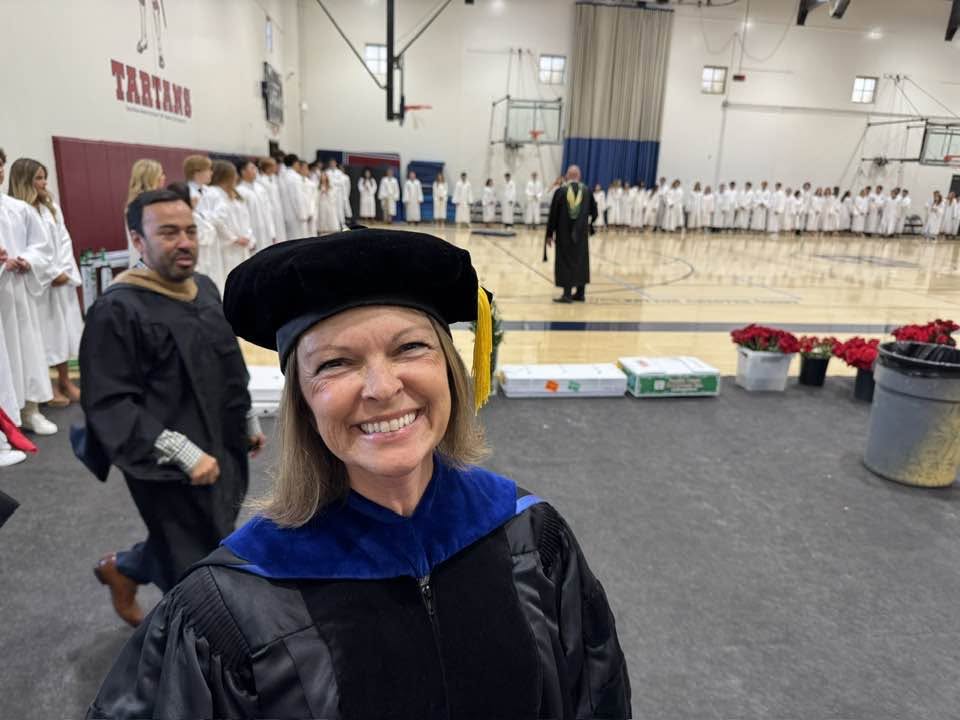
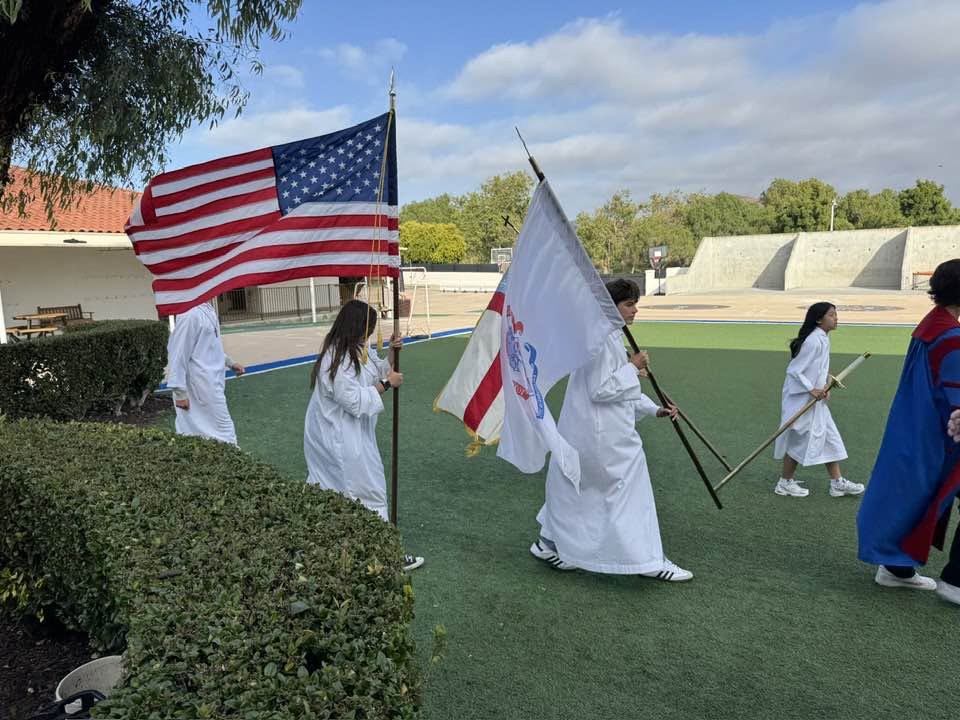
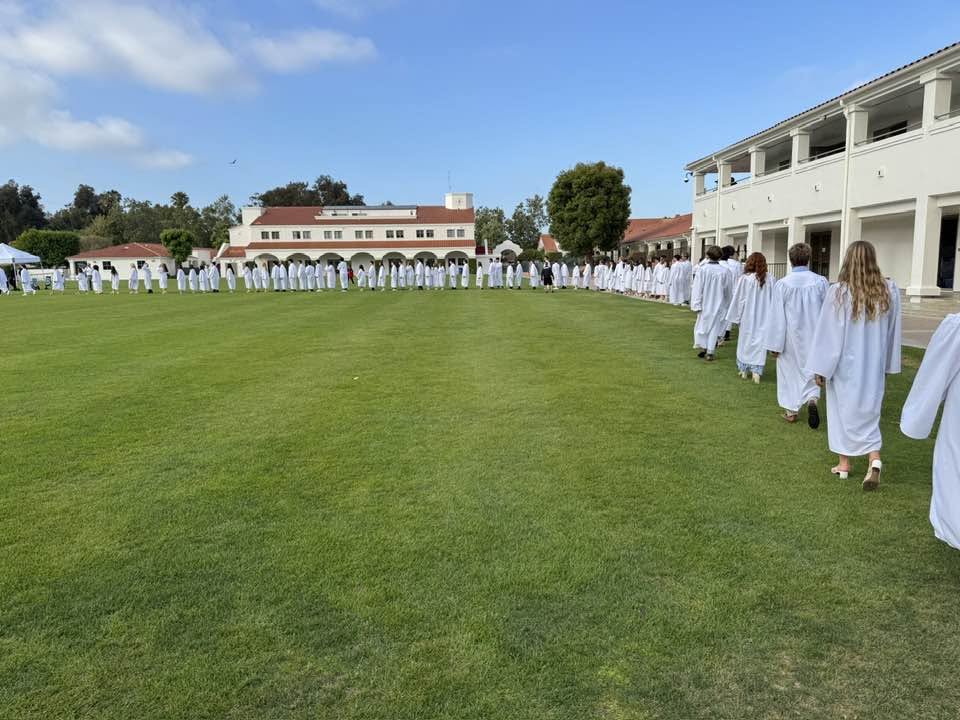
This weekend’s leg of my tour offered an especially rich sampling of episcopal experience. First thing, on a beautiful Friday evening and on an immense green lawn at St. Margaret’s Episcopal School in San Juan Capistrano, I delivered my eighth and last baccalaureate address to a class of senior Tartans. As always, a student minister read out a passage from St. Paul calling on us to rejoice always and be gentle.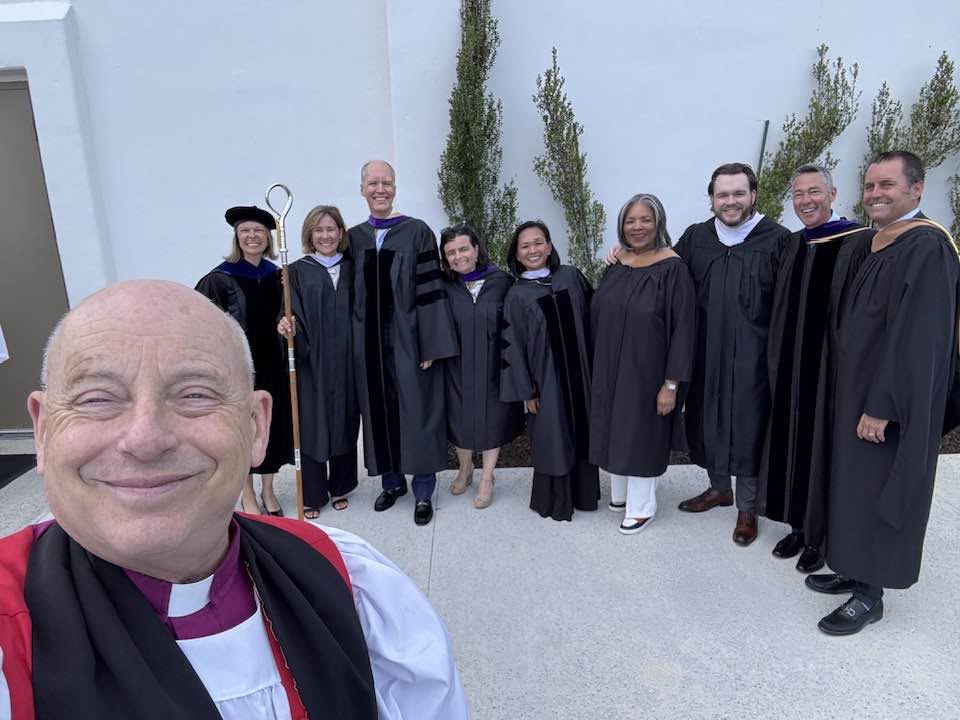
This year, I wondered if students, and especially the adults in their families and on the faculty, had ever found the invitation to gentleness to be especially helpful. Few business, political, or international affairs practitioners would say that gentleness helps them win. I said that the golden rule showed the way to practical gentleness, satisfying our innate desire to compete while warding off our impulse to dominate. As usual, the brilliant and gracious head of school, Dr. Jeneen Graham, helped me prepare. I’ll long remember her kind words at a dinner party at her and Andy’s home after the ceremony.
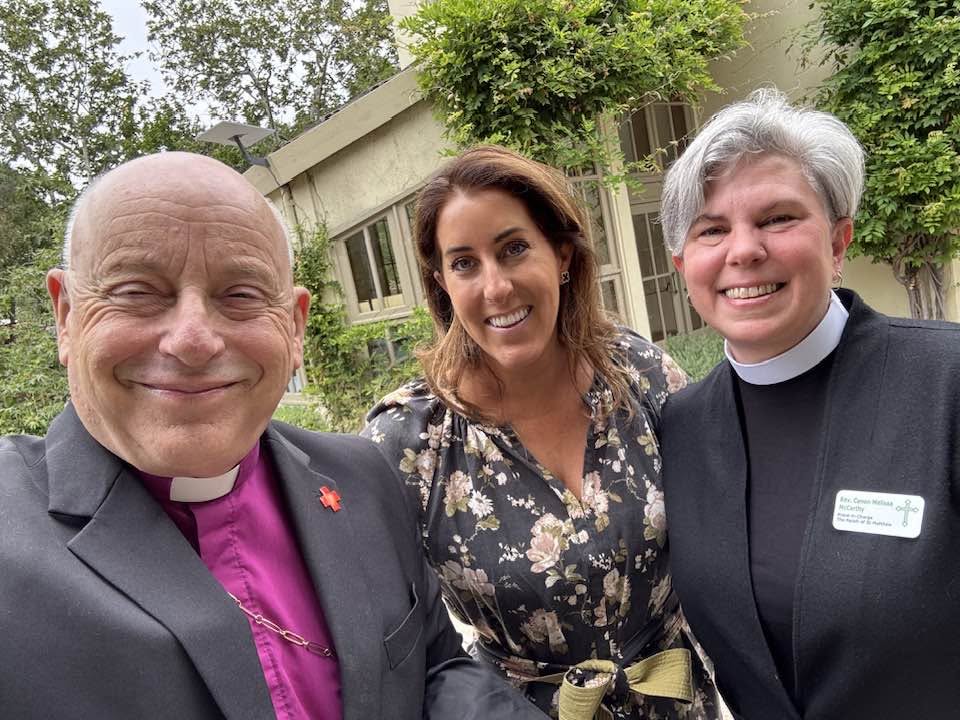
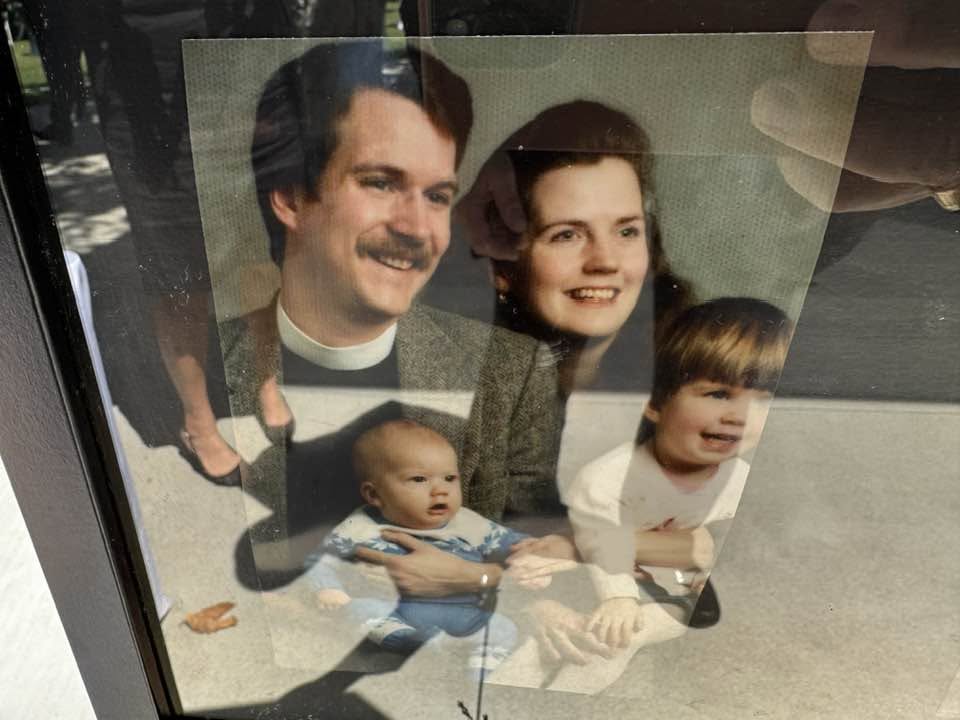
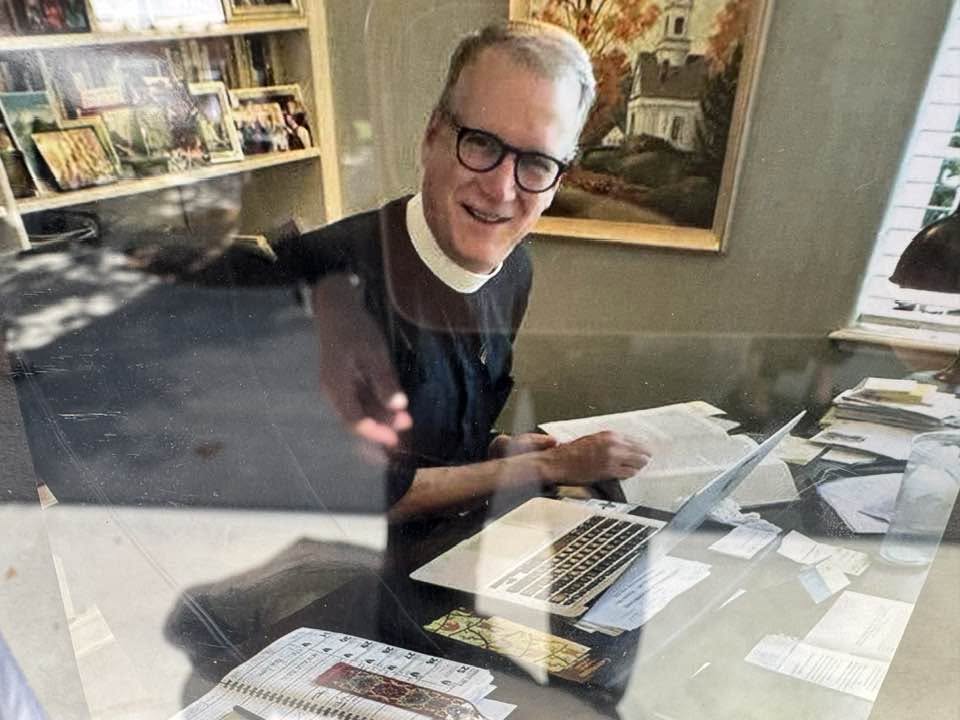
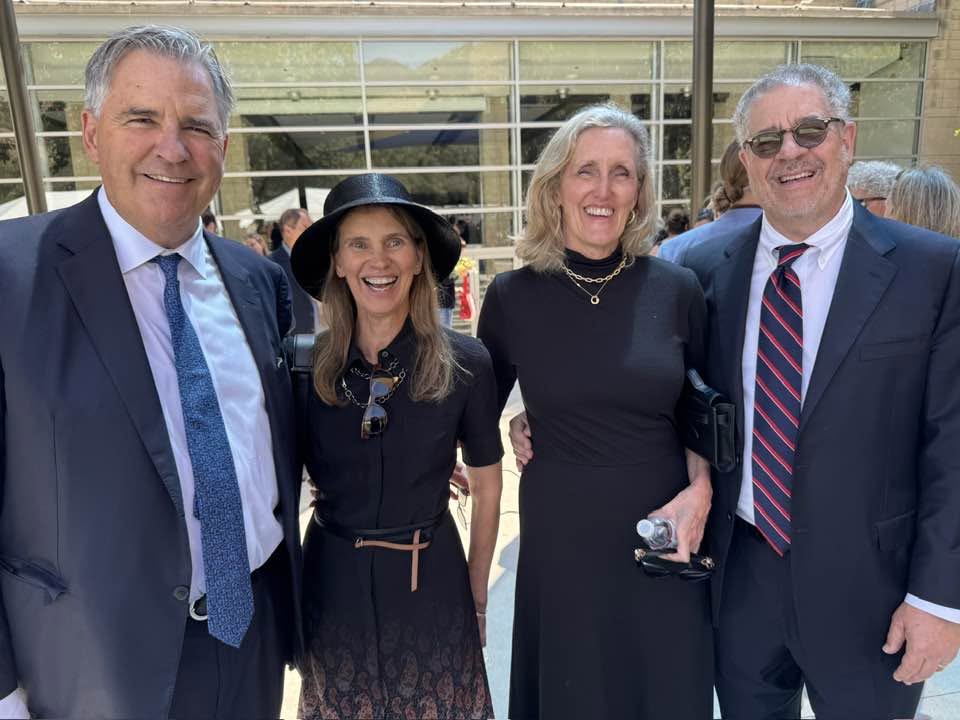
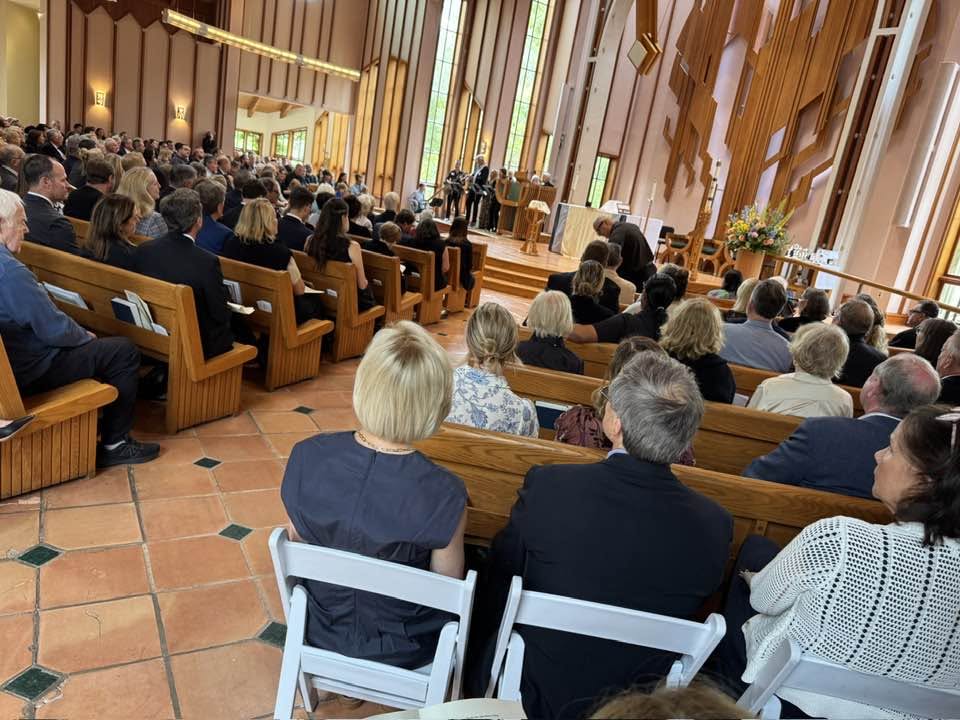
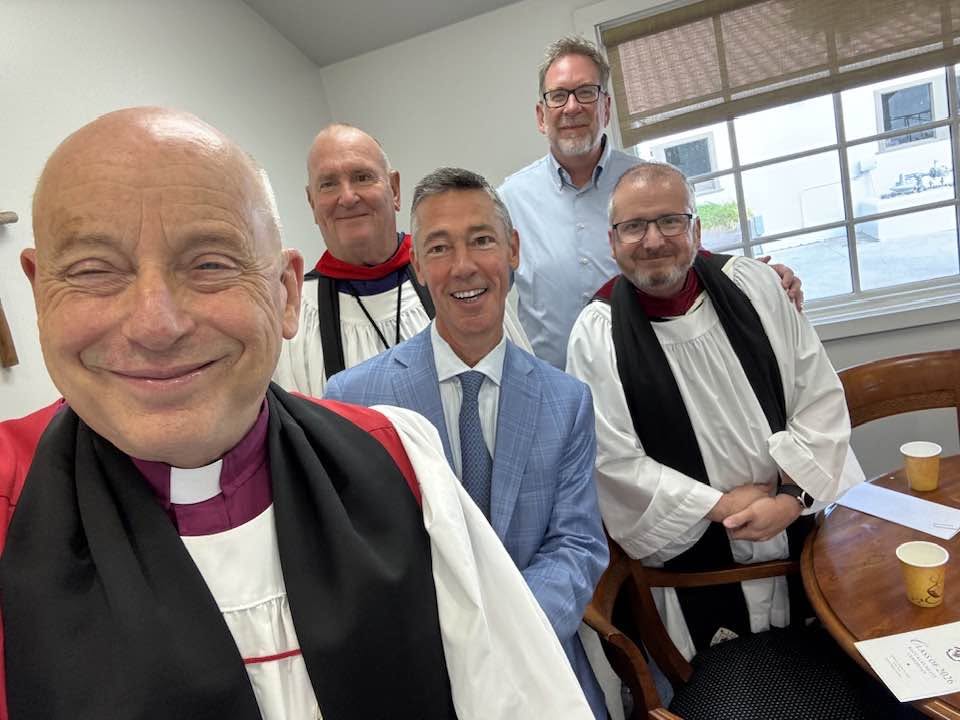
A bishop’s saddest duty is participating in the celebration of life of a bishop, deacon, or priest colleague. The Rev. Bruce A. Freeman’s death, as he struggled courageously against cancer, came as yet another brutal shock at The Parish of St. Matthew in Pacific Palisades, where he had been the beloved rector until his premature retirement late last year. He and Dana, and hundreds of colleagues, parishioners, and school families, lost their homes in the January 2025 wildfires.
At Saturday morning’s service, the priest in charge and one of the associate priests, the Rev. Canon Melissa McCarthy and the Rev. KC Robertson, presided. I was homilist. Once again, gospel preaching required healthy skepticism about whether scripture by itself is enough. The living word lives contextually. Before a grieving spouse, two siblings, three children, five grandchildren, and hundreds of his friends and colleagues, one does not say a mere hallelujah that Jesus has welcomed a loving, laughing, indispensable 66-year-old to his heavenly home.
The blessing was that Bruce’s abundant life demonstrated how the spirit of our God in Christ transforms even inadvertence and injustice; and someday, we pray, grief. In our conversations, Dana had shared generously about her and Bruce’s meet cute 44 years ago in Duluth, a month before he left for seminary in his home town of Boston. On paper, their relationship didn’t stand much of a chance. But the Holy Spirit did her thing.
Bruce would not even have been on the road to priesthood if it hadn’t been for his priest father William’s prophetic stance in favor of a United States District Court judge’s forced integration of Boston’s public schools. Wanting to do more to help God’s people, William took his family, including three school-age children, to Minnesota, so he could serve indigenous congregations. Forced busing and family migration set Bruce’s face for Duluth and Dana. A wonderful family that will last until the ends of the ages was the result. When we see God’s transformative power in great lives of faith like Bruce’s, may we find courage to follow the golden rule even amid our own most difficult challenges.
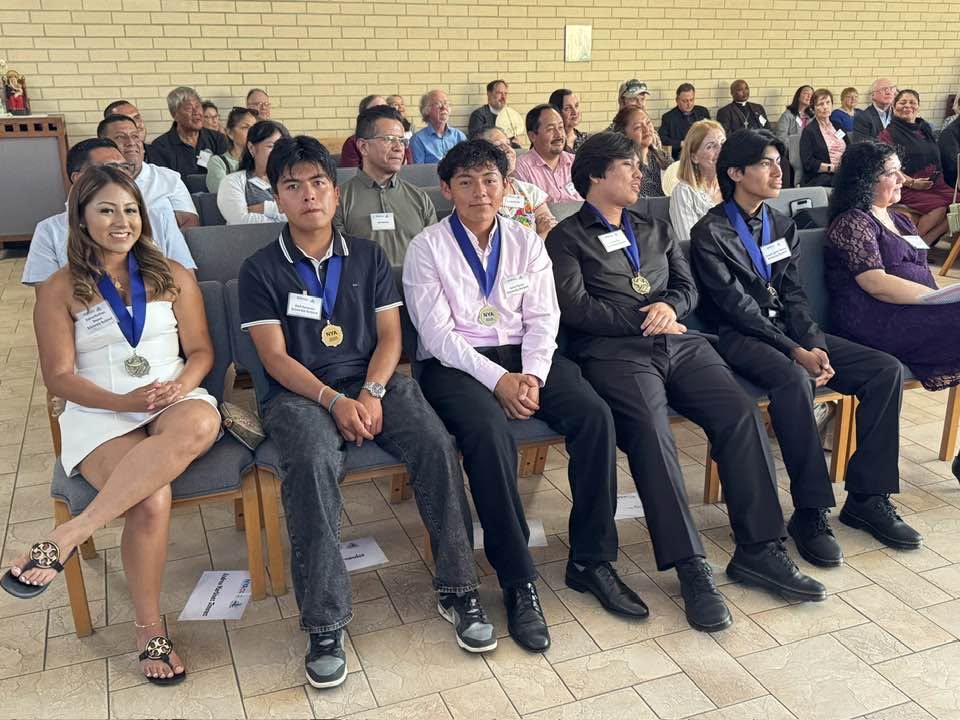
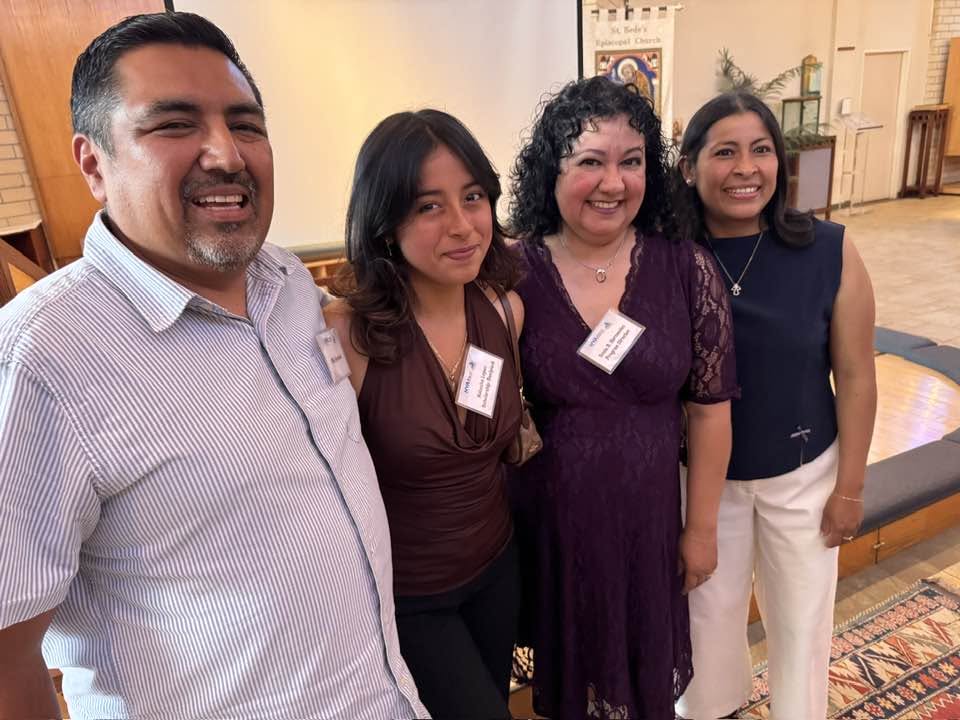
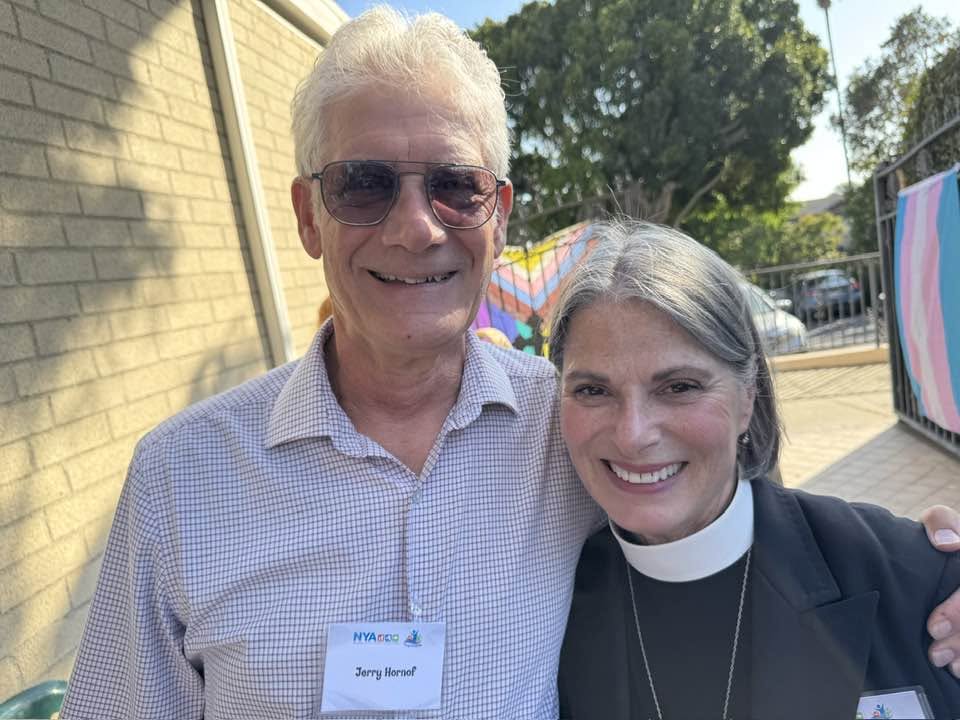
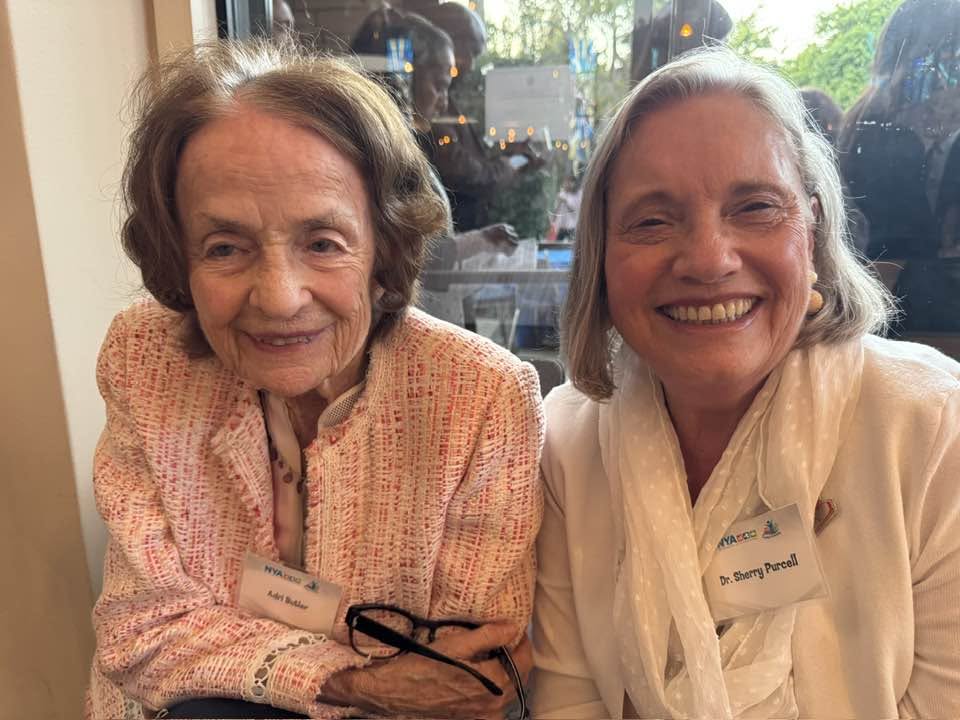
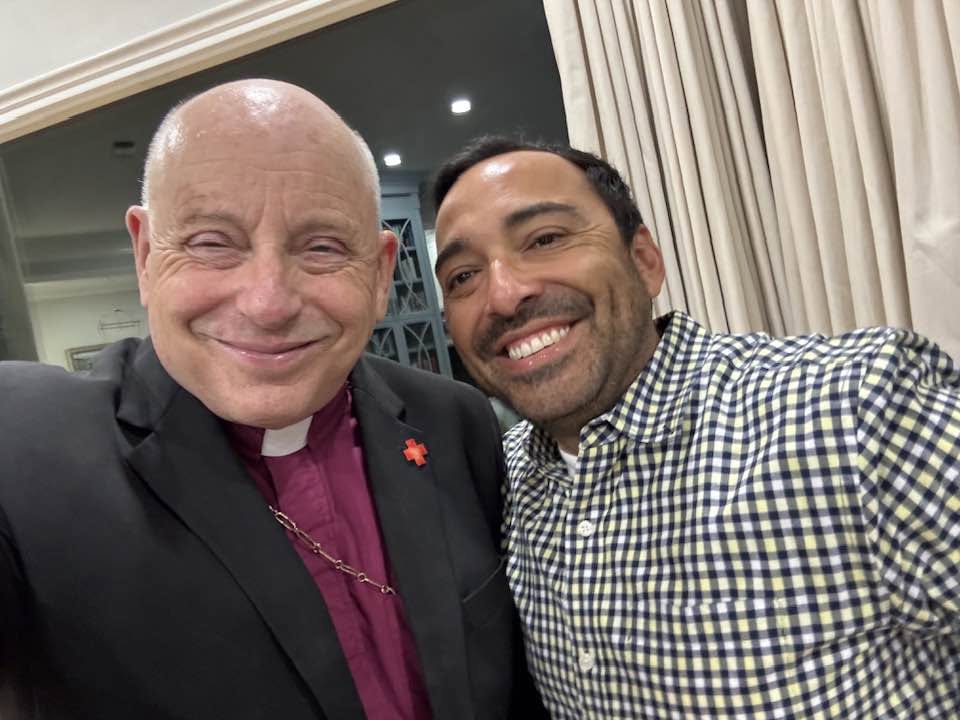
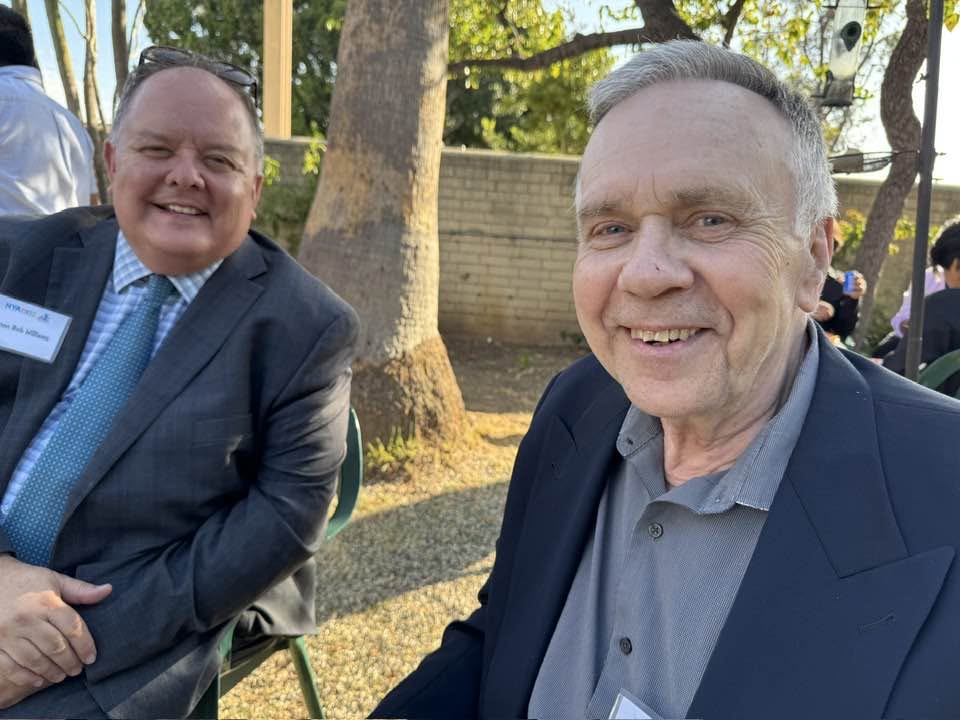
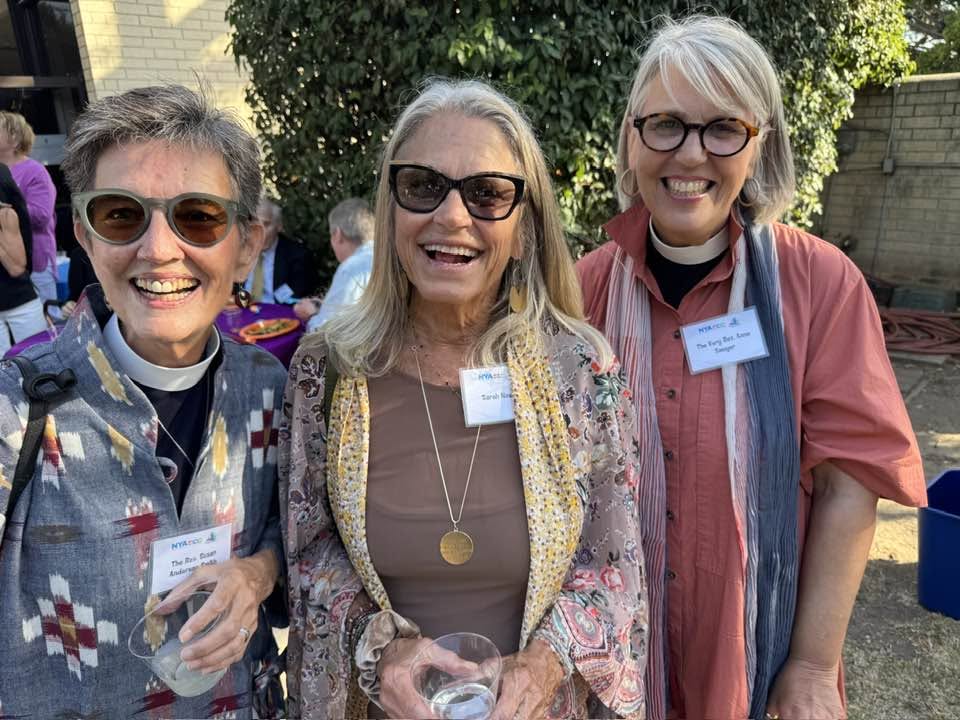
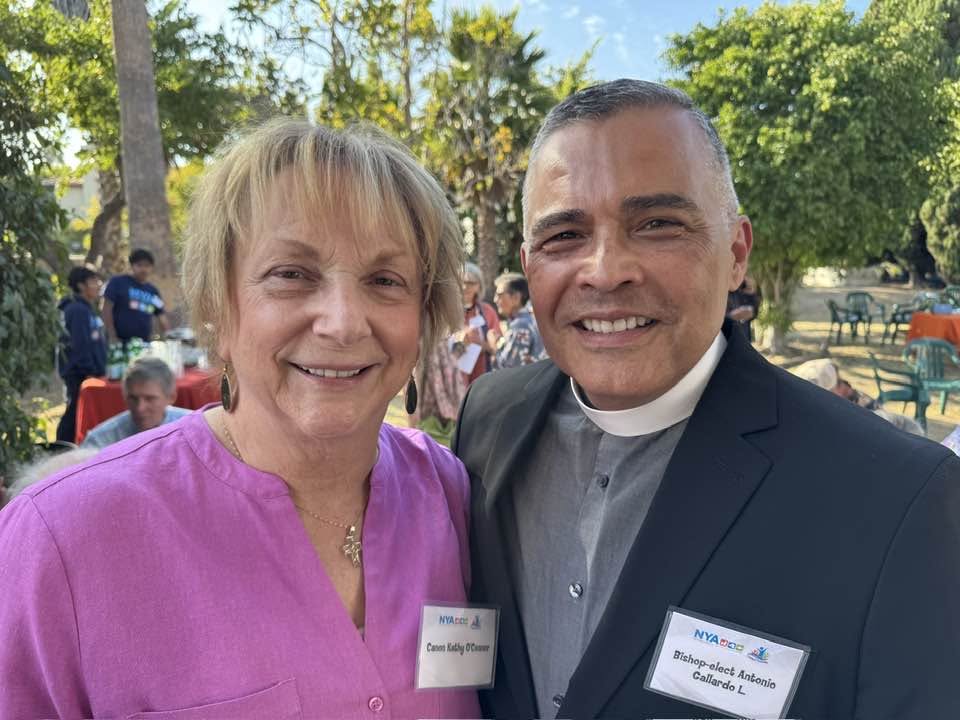
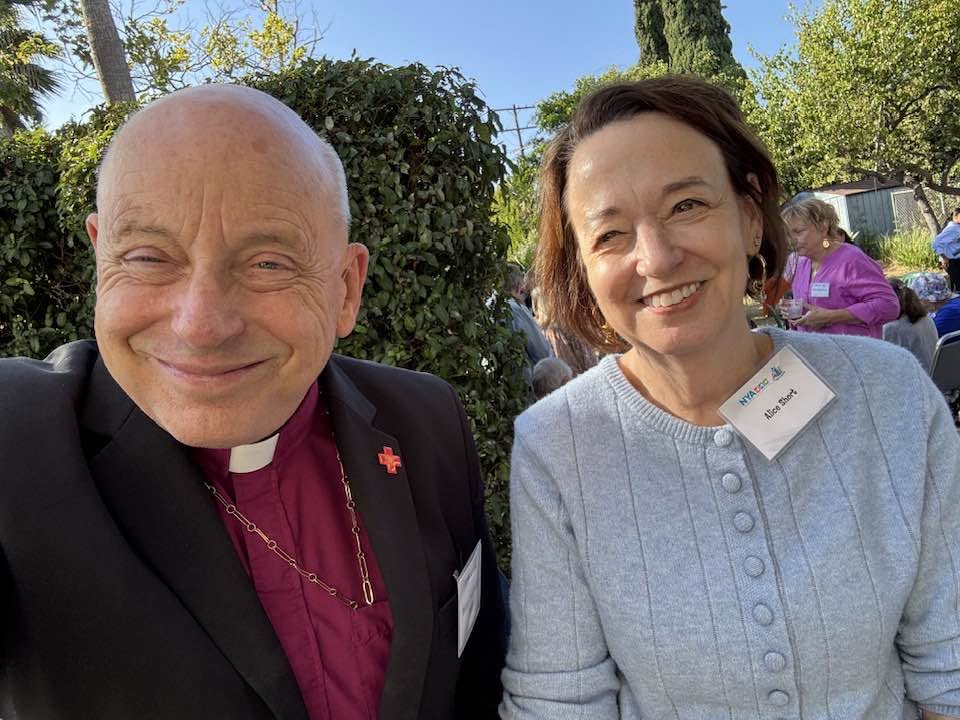
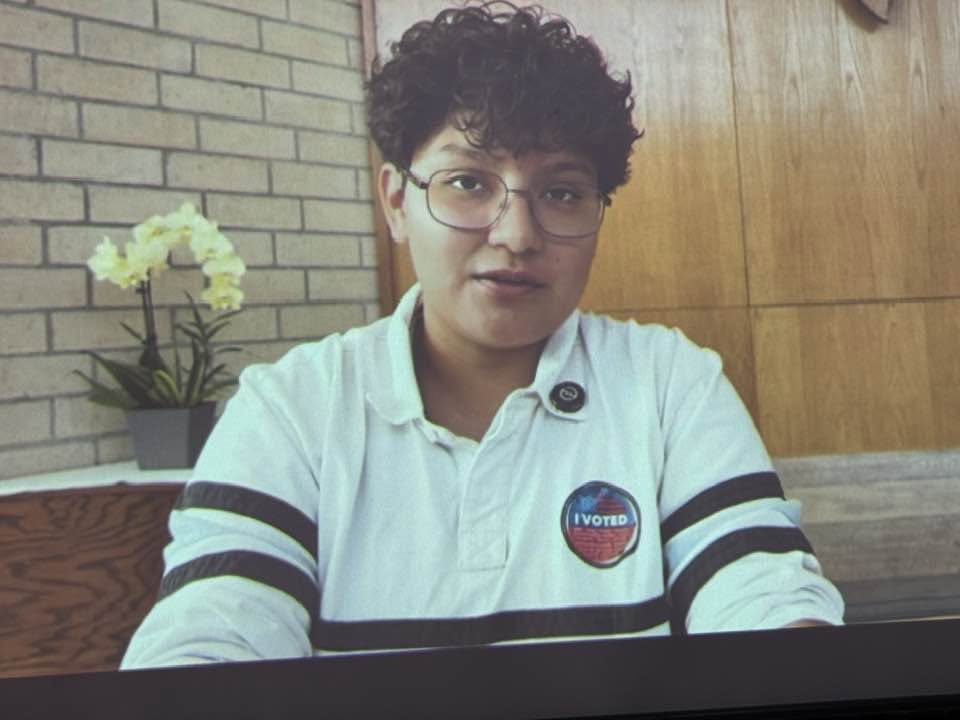
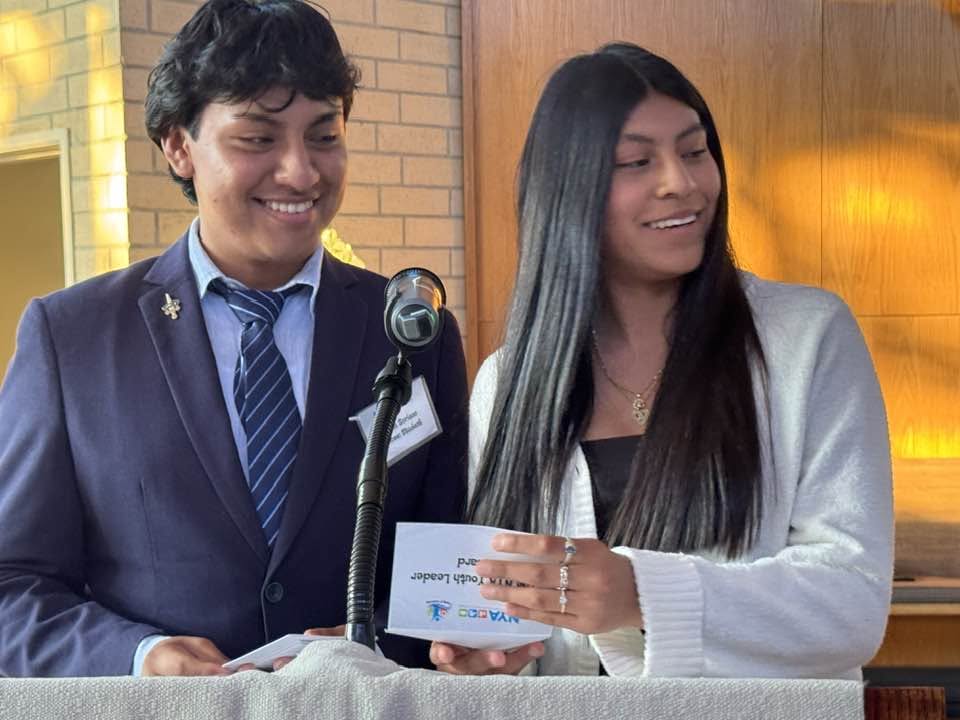 On Saturday evening, Kathy and I were guests of the Neighborhood Youth Association at its annual awards gala, held for the first time at NYA’s new home at St Bede’s Episcopal Church in Mar Vista. The center of attention were five second-generation Angelenos, bound for four-year colleges. President and CEO Canon Bob Williams presided genially, although he would be the first to admit that shining even brighter were student emcees Carlos Soriano and Ariella Sernas and keynote speakers Andrea Martinez and Heidi Soriano. My successor as NYA chair, Bishop-elect Antonio José Gallardo Lucena, offered a moving opening reflection and prayer. Dr. Sherry Purcell, president and CEO of our St. Paul’s Commons, Echo Park partners the Immaculate Heart Community, announced a generous gift to a scholarship fund in my name. I got to announce the first winner.
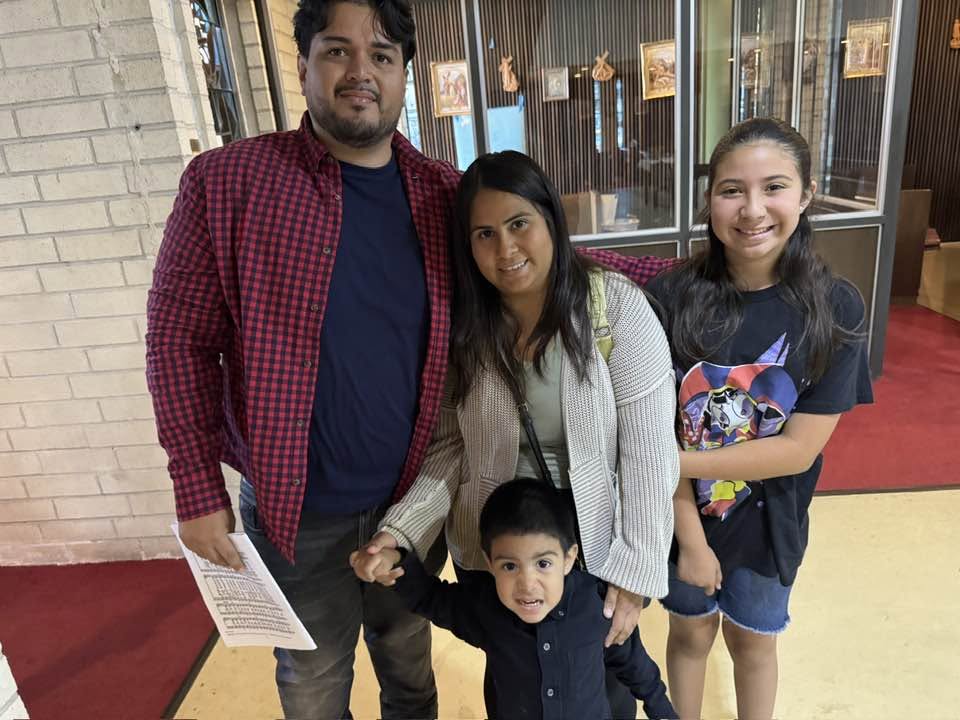
To inspire my brief remarks, the Holy Spirit lighted over the heads of family members seated behind the five 2026 graduates. Failing to enact common sense immigration reform is our greatest civic sin. Cruelty to immigrant workers and their supporters is one of the federal government’s most notorious violations of the golden rule. We will be lost if we do not at long last identify practical gentleness as a civic virtue. These days, if anyone is making America great, it is these immigrant families and their college-bound children. Our diocese is proud of NYA’s 120 years of service to our cities’ young scholars.
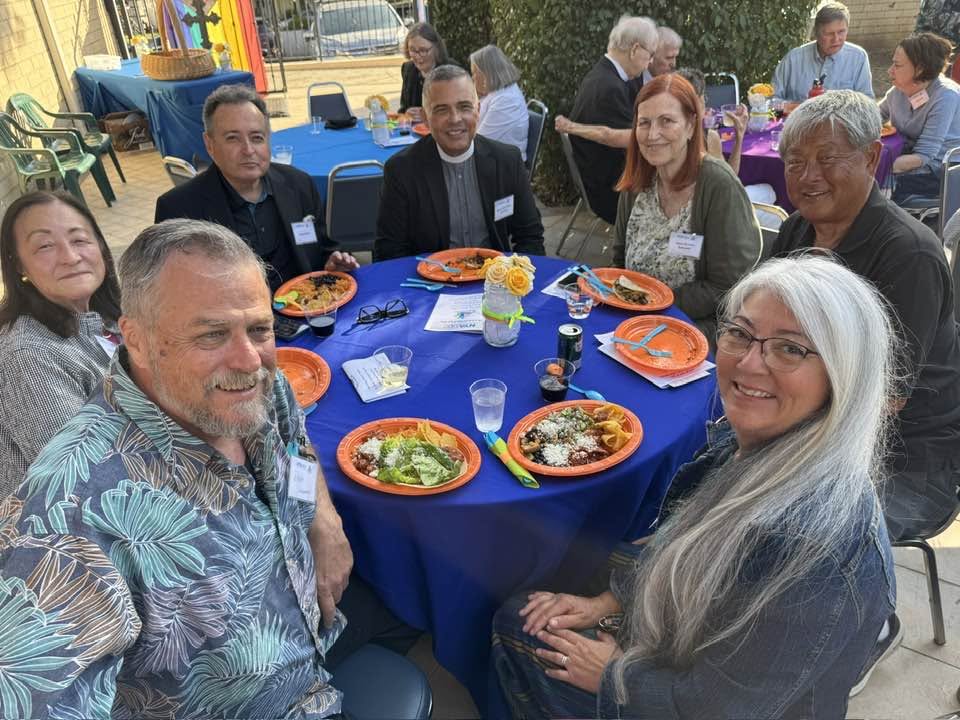
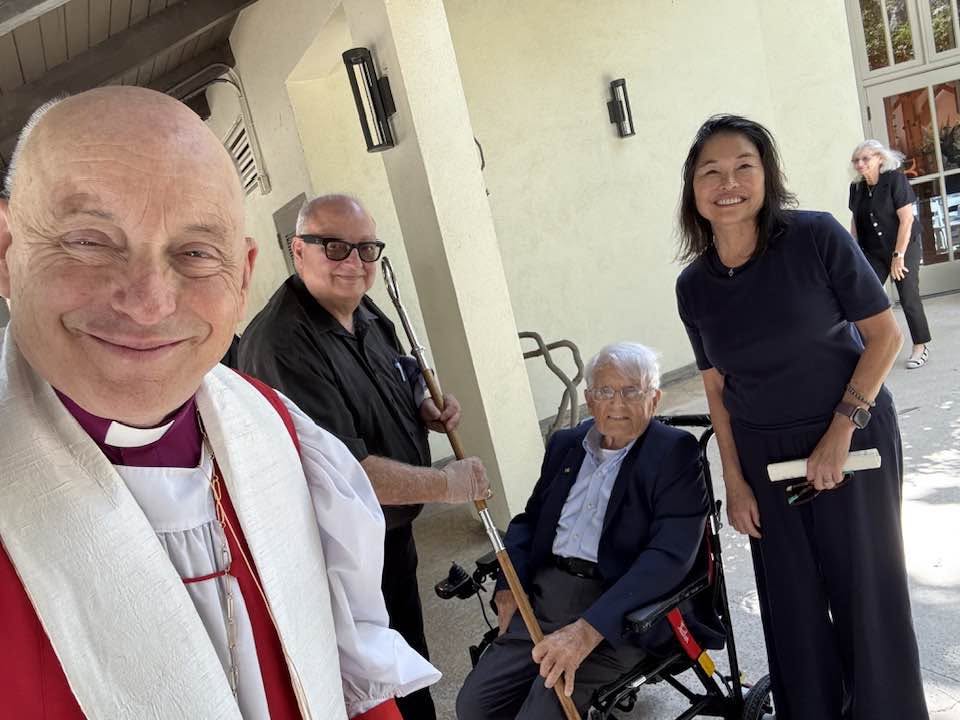
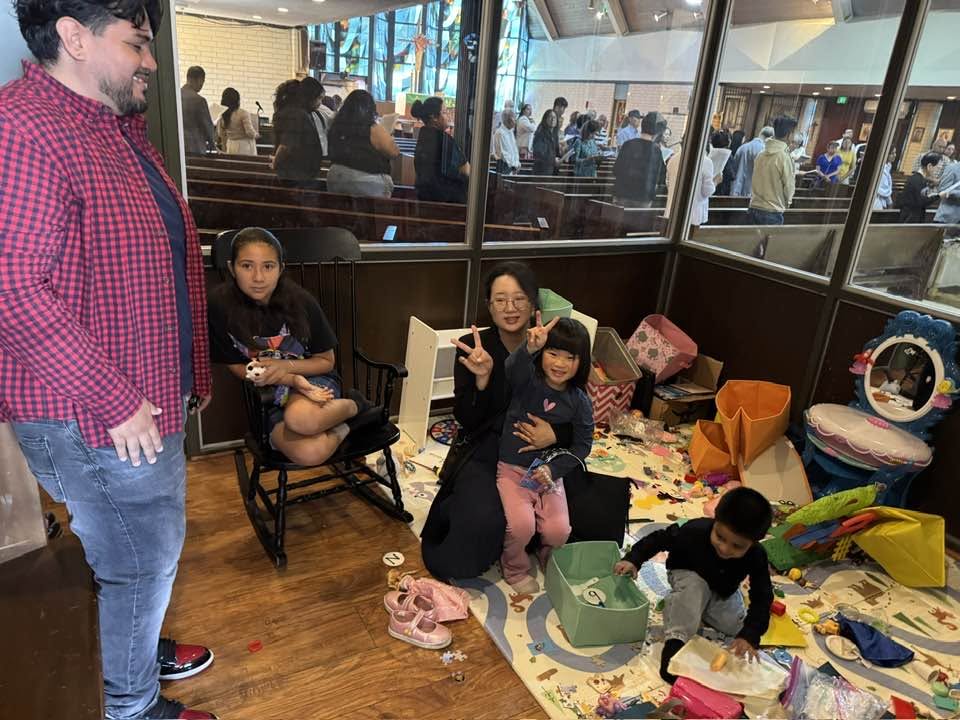
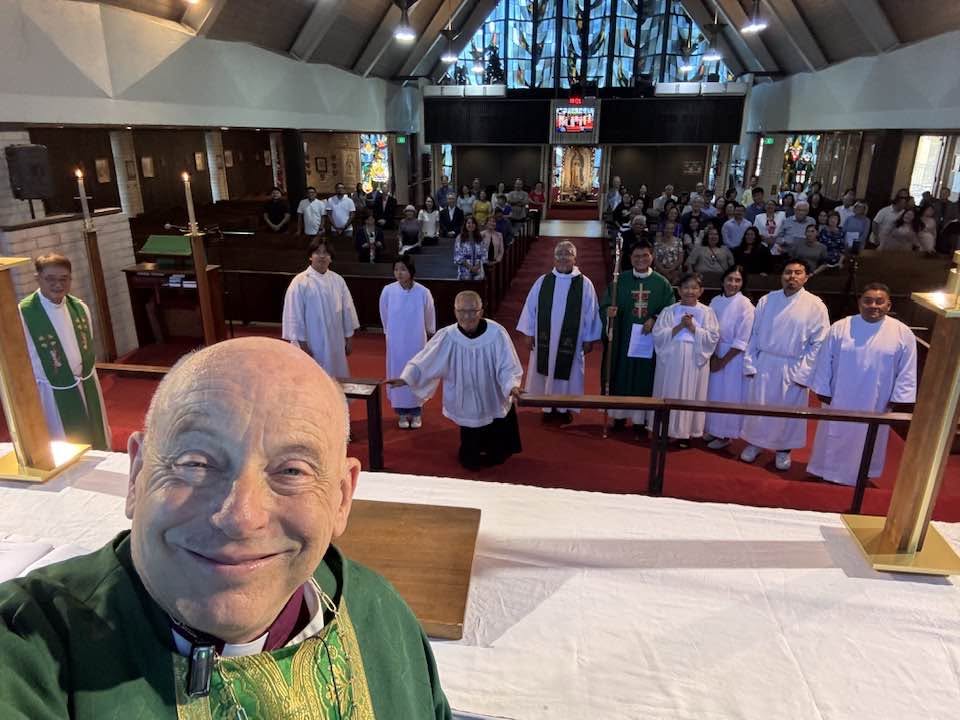
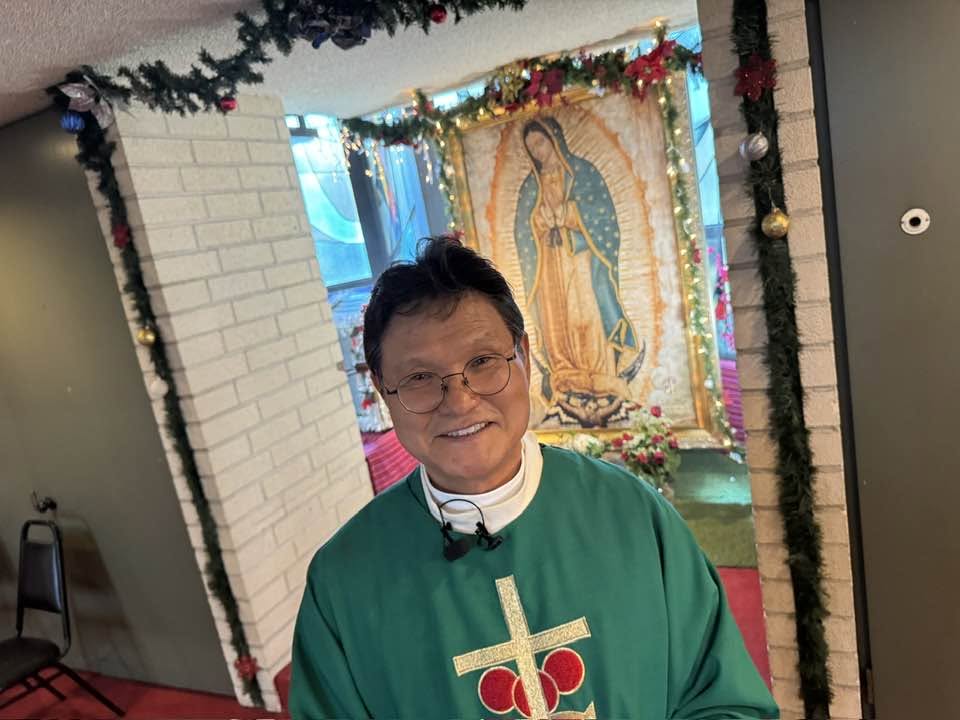
I spent Sunday morning and afternoon at a place of permanent Pentecost. At St. Anselm’s Episcopal Church in Garden Grove, where I presided and preached as the Holy Spirit came down and confirmed five in the faith, people worship in English, Korean, Spanish, and Vietnamese. The vicar, the Rev. Dr. Thomas Lee, a specialist in congregational development, holds it all together with wisdom and good humor. The Rev. Hector Roberto Limatú Pinto assists with the Spanish-speaking congregation. The Rev. Canon Aidan Koh, who pretends to be retired and living in Phoenix, supports the Vietnamese congregation, which he visits twice a month.
We had perhaps 70 in church, expressing a healthy diversity of ages as well. On Pentecost Day, the apostles received the authority of the Holy Spirit because they were all together in one place, united in awe of Resurrection and Ascension. They understood each other’s languages. At St. Anselm’s, they’re picking up each other’s languages, and they understand one another perfectly in the language of Christ’s love.
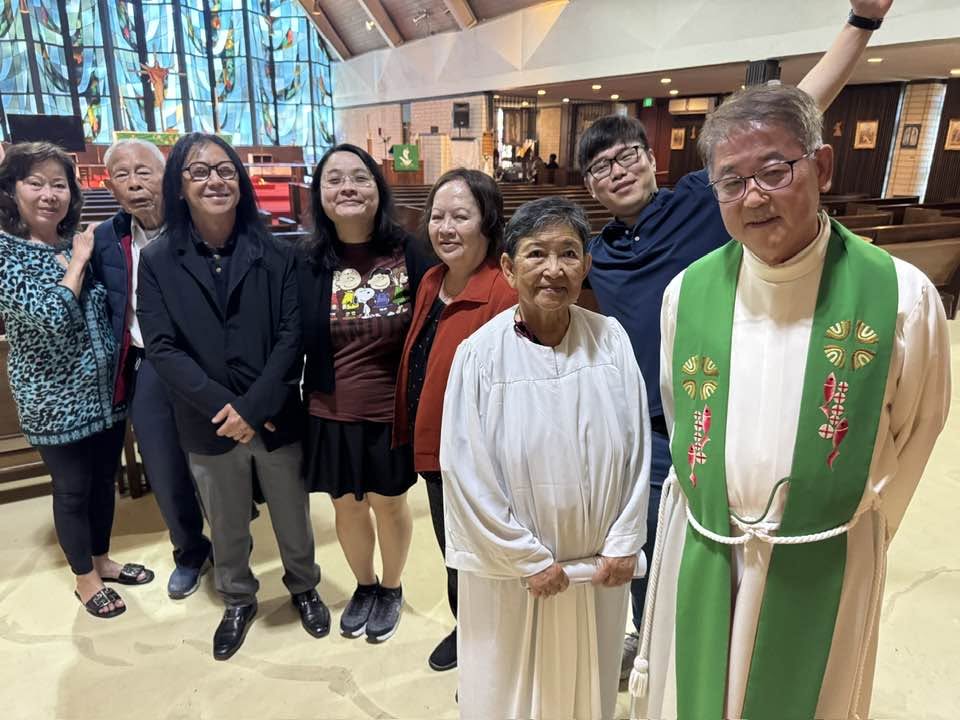
Pastors and priests may at times be secretly tempted to think that they will be present at some modern outbreak of the Holy Spirit. I have never felt closer than this morning, when I stood at the St. Anselm’s altar, sharing the prayers with three colleagues, four languages at all. In my sermon, I had even wondered aloud if the church might rediscover the healing power that Jesus Christ gave his apostles if we ever found our way out of schism and division back to the unity of Pentecost Day.
We may have to wait a long time for that. It would be easier for all people of faith, across denominational and interfaith lines, to rediscover and jointly proclaim the common denominator of the golden rule. It belongs and dictates to all faiths and philosophies. We only need organization and financing. Should we accomplish it, and at long last hold sinful power accountable to the law of the universe, we will surely begin to heal this nation and world.