 “The students are watching us.” So said Ted Sizer, head of school, then called headmaster, at my high school, Phillips Academy in Andover, Massachusetts. As an editor of the school weekly, I wrote a callow editorial about Sizer in 1972, when he was first appointed. When our paths crossed on campus one day, he acknowledged what I wrote with a smile and wave and said he’d do his best. I was startled, and a little ashamed, that he knew who I was. I learned later that the faculty talked about students behind our back constantly, especially those at that overachiever factory who were, like me, the most stubborn possible underachievers.
A legendary reformer, Sizer urged teachers to engage their students as individuals rather than stuffing them with knowledge as though it were chicken feed. I’d never heard Sizer’s quotation until last week, when Tad Roach, former head of school at St. Andrew’s Episcopal School in Delaware, used it during the conclusion of his keynote address at our National Association of Episcopal Schools conference on equity and justice. We were over 200 Episcopal educators, plus a bishop along for the ride. The theme of Roach’s talk, and of our three days together, was responding with integrity and authenticity to our political crisis, especially when it comes to diversity, equity, inclusion, and justice programs (DEIJ), against which Trump has declared war.
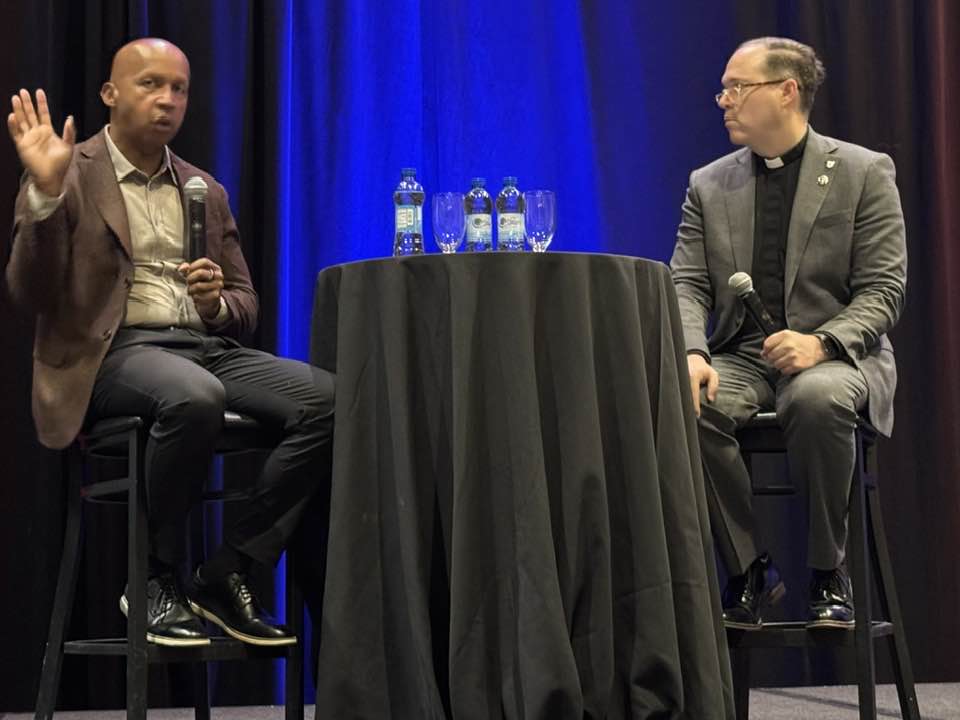
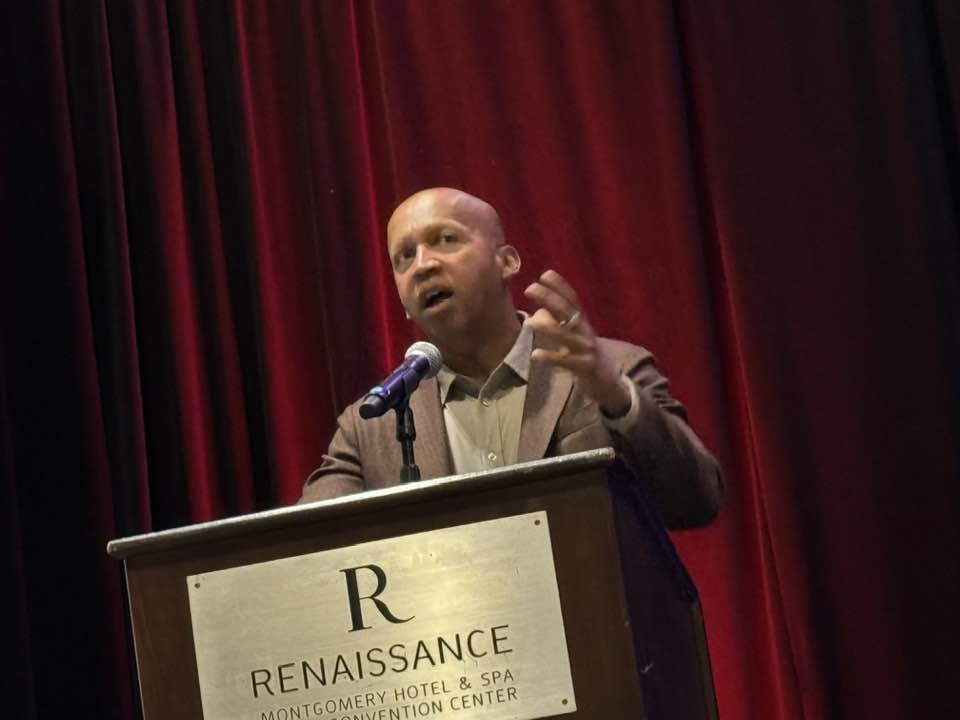
Tad is now an executive at civic prophet Bryan Stevenson’s Equal Justice Initiative. Stevenson was born 66 years ago in a still-segregated Delaware community and raised in the AME Church. He got his law degree at Harvard. Author of “Just Mercy: A Story of Justice and Redemption,” he has argued before the Supreme Court and gotten 140 people off death row. He and EJI (including Roche’s co-keynoter, attorney Sia Sanneh) are also the founders and creators of three extraordinary Legacy Sites in Montgomery which we visited last week and which anyone should, resources permitting, who wants to understand fully the stories of enslavement, Jim Crow, mass incarceration, and their lingering impact on our national life.
Bryan’s hour-long opening talk was the most important speech I ever heard, with the exception of the one he gave before the House of Bishops in Montgomery several years ago. He began by talking about how a conversation with someone on death row, the sort of person whom most would judge sight unseen, launched his adult vocation by helping him understand that the wellspring of justice, mercy, and reconciliation is proximity in relationship.
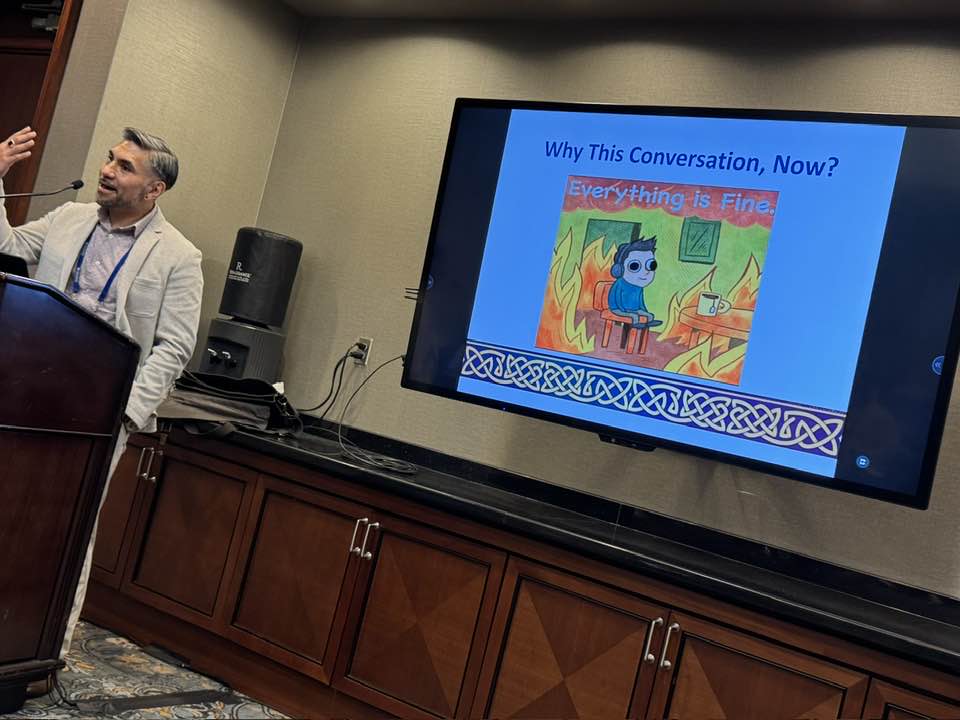
Knowing others, especially those different from us, and knowing their stories. “Proximity” wove our conference together, including in the workshops I attended. The Rev. Dr. Yerko Sepulveda, scholar and head of community engagement and wellness at the Porter-Gaud School in Charleston, roots all conversation about DEIJ in the baptismal covenant, which relentlessly and uncompromisingly centers human dignity, however God has made us. “Don’t lead toward belonging,” he said. “Lead from belovedness.”
Oh, but the stories we have to listen to first, in order to see others how God sees and loves them. In his research, Dr. Christopher S. Dennis, Campbell Hall’s associate head of school, discovered that while nearly 30% of U.S. independent school students are people of color, just 14% of trustees and four percent of school heads are. Trustees of color he interviewed said they were more apt to be routed to the diversity committee rather than to the executive committee or finance. That means that, even in sectors of society considering themselves relatively enlightened, we’re still making leadership decisions based on how people look.
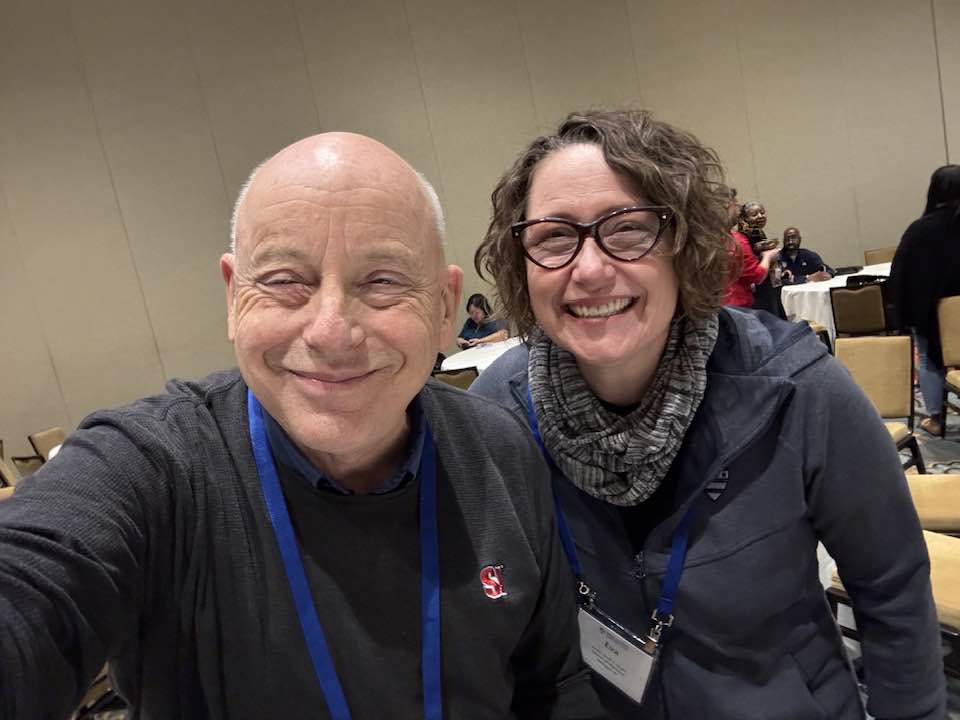
The last workshop I attended began with people exactly as they are, namely elementary school students — typically joyful, imaginative, prone to accept the goodness of others, and open to justice work. Our facilitator, Jodi-beth McCain, is the catechist at Christian Family Montessori School in Washington, D.C. Of the 20 or so in attendance, I was the only non-educator. When Jodi asked us to work in pairs, a preschool teacher named Liz from Denver took pity. We had great conversations, Liz from the classroom perspective, I as a grandparent as well as former vicar of a church with a school.
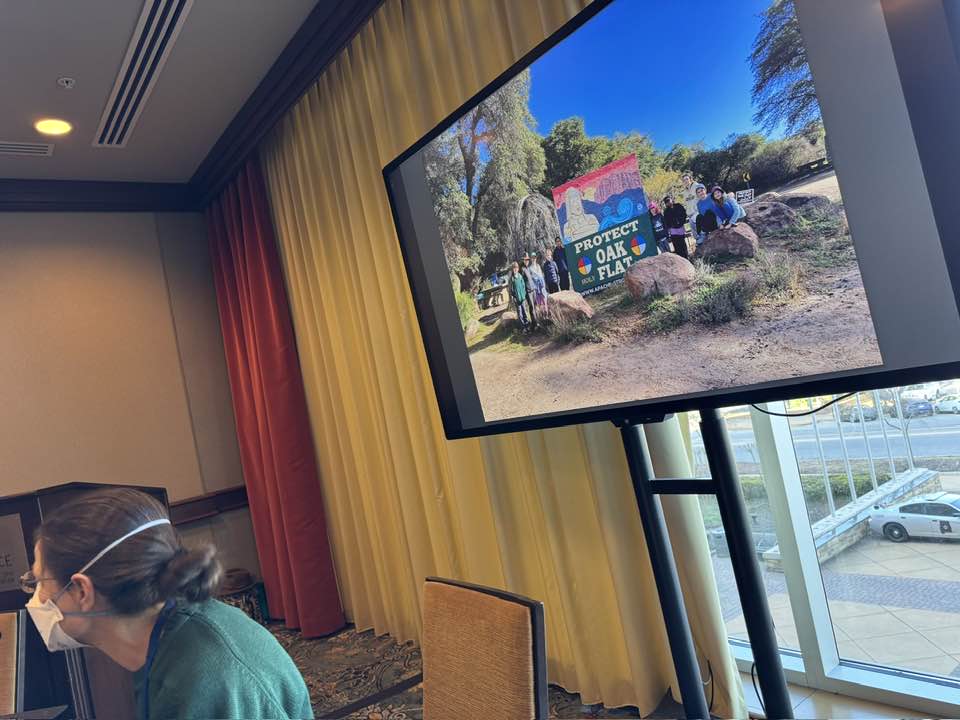
Jodi told us about taking a group of students to stand with members of the San Carlos Apache nation in Arizona, which was and is still trying to keep a copper mine from encroaching on sacred lands at Oak Flat. I told the group that in our context in the Episcopal Diocese of Los Angeles, we could arrange for students to encounter their counterparts in families experiencing the cruelty of our immigration system, both north and south of the border. This wouldn’t be politics. This would be learning through making friends and telling stories. We could even take along parents who were hardliners on immigration policy and see how the narratives of those our government is hurting affected them — see how proximity does its magic.